Is it that time already?

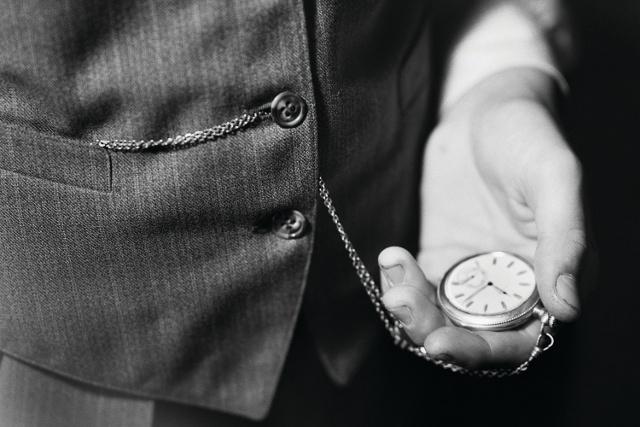
pocket watch
Land sakes. Where has the time gone?

Yes, that’s right. Because you demanded it.

Well, not really, but it has been a while.

So without further ado, time once again for the much-heralded and talked-about Project Status Update Time!

For those unfamiliar with the concept, which I would imagine is pretty clear from the name alone, this is your opportunity to give a quick mention regarding the latest on your latest project, no matter what it is.

Doesn’t have to go into too much detail. Just what you’re currently working on, and how it’s going.

Hit your page quota for today? Got to a pivotal scene or significant plot point? Finished that rewrite? Feeling stuck? Seeking the right wording for that logline?

In search of help/guidance/suggestions of any sort? All you gotta do is ask.

Did a little networking and connected with another writer? Signed a deal? Had a good meeting? Packing up the car and heading for LA?

Got something to crow about? Want to vent any pent-up frustration?

Don’t hold back. You’re among friends here.

Real quick for me. Just about done with the 2nd draft of the low-budget comedy. One sequence needs revising, followed by maybe one more quick polish, and then it’s off to some of my reliable readers.

Also have some reciprocal reading to do for some of those aforementioned readers. Quite excited about diving into these.

How about you?

My 52 hours in the Southland

Just like being there!
This is exactly what it looks like!

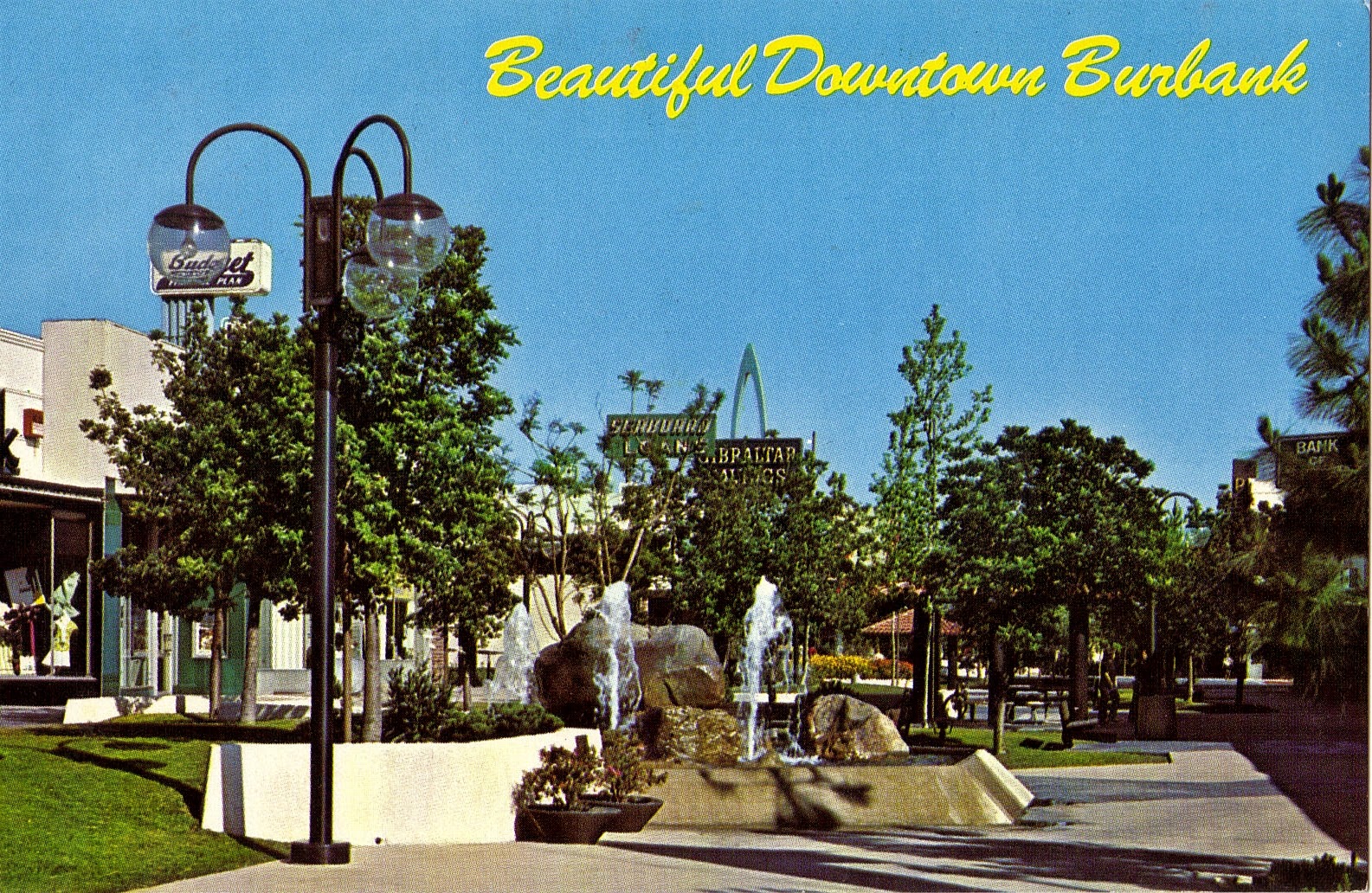
As all you phenomenal readers/followers out there may be aware, I was in Burbank last weekend for the Great American Pitch Fest.

Simply put, attending was one of the best screenwriting-oriented decisions I’ve ever made. I’ll get to the vaguely specific details about that in just a moment, but first, allow me to go over some of the supporting topics, starting with…

Networking

I came armed with a new batch of business cards and the attitude of “Dammit, I’m gonna meet people!”

And I did. At the Friday night mixer. At the numerous classes/panels/workshops on Saturday. Even just stopping to introduce myself to folks sitting around a table in the hotel lobby.

Many are first-timers, nervous at attending one of these kinds of events. Certain that everybody else is a seasoned pro just brimming with confidence, whereas you’re feeling hesitant to even open your mouth and say something.

You know what? Almost everybody feels that way and is a little nervous on some level. Sure, others are a little more extroverted than some, but as I can personally attest, it’s a lot more fun when you get to know people. Besides, why pass up the opportunity to expand your personal network? That writer you just met from halfway across the country could turn out to be a vital asset somewhere down the line.

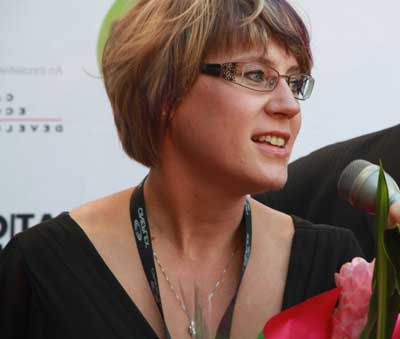
On a more personal note, I have to mention that the weekend was also a golden opportunity for me to actually meet several of my “Ask a Script Consultant!” interview subjects, including Pilar, Lee, JG, Signe, Tracee, and Steve. The interactions weren’t long, but each proved to be just as charming in person as they are in print.

Pitching

The whole point of the weekend, and why I was here. First, the prep.

As I mentioned, there were panels aplenty where a lot of advice was given out (and sometimes contradicting something else you just heard). I had the benefit of having signed up for the pitch boot camp, where you and another writer would give your pitch, then exchange suggestions on how to potentially improve it.

I polished and honed the pitch for my western over the course of about six or seven run-throughs to the point where I had it down perfectly, then used that as a template for the fantasy-adventure.

As intimidating as doing this is, it all comes down to you being comfortable while having a pleasant conversation with somebody else about your story. The objective is to get them so interested that they really want to read your script. It’s not easy. Listening to other pitches, some writers would give vague story details, while others might go into too much detail.

As was pointed out, you’re also pitching yourself. You’re showing that you’re passionate about the work, hopefully have a pleasant personality, and are someone people would enjoy working with.

Now, a rundown of the results from the actual pitches:

(side note – As I would sit down with each person/pair, I’d ask how they were doing/how their day was going/etc. I’d rather start things off pleasantly rather than just launch straight into the pitch. Everybody was in good spirits throughout the day and seemed to be enjoying themselves. Many added that the quality of the material being pitched was very impressive.)

-13 total (although it felt like more)

-Two said “Thanks, but it’s not for us”

-The rest asked for a one-pager. More than a few asked “What else have you got?” (followed by handing over the other one-pager)

-Just about everybody said, “Wow! That was a great pitch!”

-One script request

-Two asked for follow-up emails

-“This sounds perfect for us!”

-“This is exactly what MAJOR PRODCO is looking for!”

-“We have to continue this conversation offline. Here’s our card. Call us.”

To say confidence levels were running high at the end of the day would be an understatement.

Epilogue

-All of my follow-ups have been taken care of. Since each one of them is also dealing with a lot of the pitches they heard, as well as working on their current projects, I expect it’ll be a while before I hear back from anybody. As always, fingers firmly crossed, hoping for the best while I bide my time and return to working on my assorted projects.

-Turns out I’m actually really good at pitching in person, or at least in a face-to-face scenario. Too nervous to do previous pitches via Skype, I’d always submitted a written one, which yielded zero results. This new confidence and willingness to be seen makes me feel that I’d have a much better chance of success in the future.

Conclusion

I’d started the weekend feeling very nervous and anxious about whether or not I’d do a good job. As time passed, I was able to relax and enjoy myself, which probably played a big part in how it all turned out. I had a great time, and left feeling closer than ever before to getting a professional writing career going.

If you’ve never been to a pitch weekend, I highly recommend it. You’ll meet lots of great people, make fantastic connections, learn how to get the most out of your pitch, and just have an awesome time.

-My only complaint was that since time was very limited, and I didn’t have a car, the enjoyment of pie did not take place. Maybe next time.

Ask One of the Great Brains Behind the GAPF!

Signe Olynyk

The latest in a series of interviews with script readers and consultants who would be worth your while to work with if you want to get your script in shape. Today’s spotlight is especially significant for writers ready to pitch their material, as it features an interview with ScriptFest/Pitchfest co-founder Signe Olynyk.

Signe Olynyk is a writer/producer, as well as the co-founder of ScriptFest and www.pitchfest.com, which includes the Great American PitchFest, the Great British PitchFest, and the Great Canadian PitchFest.  She is also the co-founder of the Ultimate Logline Contest, and Your Career In A Day industry workshops. She lives in Canada, and runs the highly regarded Sooke Writers Retreat from a secluded, oceanfront home, where dozens of select writers join her each year for their personal writing retreats. In addition, Signe has written and produced a number of television pilots, series, documentaries, and feature films, and works in the industry. She has professional credits on more than 120 productions, including her two latest feature films, Below Zero and Breakdown Lane. Her work has been seen around the world on the CBC, Discovery Channel, Scream Channel, Fox, the BBC, and various others.

1. What’s the last thing you read/watched that you thought was incredibly well-written?

Great first question. There are so many. The ‘smartest’ movies I can think of right now include Christopher Nolan’s The Prestige, and The Disappearance of Alice Creed, which was incredibly smart and well written. These two films were dramatic thrillers, but I actually feel that comedy is some of the most difficult to write – it has to be smart and well-written, and generally, a brilliant mind must be behind a comedy to successfully pull it off. Creating original characters, situations, and dialogue that makes us laugh, and that we haven’t seen before, is an incredible feat.

2. How’d you get your start reading scripts?

I got my start reading scripts by writing scripts. For years, I was writing and sharing my work with others in my writing groups. At the time, I didn’t understand the value in reading, but the group I joined took turns reading a screenplay each week for a film that had been recently produced. Reluctantly, I started to read other screenplays. I just wanted to create new material and share script notes by reading each other’s screenplays, not spend my time reading the screenplays for movies that had already been produced. I thought it was going to be a waste of time when I could just watch the films. But that was when my world changed.

When you read scripts, you learn a rhythm and start to see the style in which a writer puts their words on the page. You see how evocative language and onomatopoetic words like ‘sizzle’ and ‘slap’, make your script come alive visually on the page, and in your mind’s eye. When you read other scripts, you discover and absorb lessons that you automatically start applying to your own work. And you are a better writer because of it, thanks to the work of other writers. It’s invaluable to your own development as a writer.

3. Is recognizing good writing something you think can be taught or learned?

Physical limitations are an interesting thing. I love to play soccer, but I know I’m not the best player on the field. My coach can make me run drills, and practice for hours, but my skill level is only going to get me so far compared to others, because there are others who are simply more skilled and talented than I am.

Writing is the same way. Same with math, with physics, with music, art, or sports, or anything really. Someone’s physical brain or body has developed in such a way that they are stronger at a certain skill than someone else.

What really matters is attitude and perseverance. Good writing can be taught or learned, but there has to be a certain level of natural ability and talent in the first place. And then there has to be a passion behind whatever skill you have to really drive success at anything.

As an aside, I have been very frustrated by some of the ramblings of some who like to criticize consultants and say that ‘those who can’t, teach’. What a hugely unfair, offensive and dismissive thing to say. I am the founder of the annual screenwriting conference ScriptFest, which is held each year in Los Angeles. We have had hundreds of speakers teach at the conference, and they are educated, brilliant, and generous people who give back to the community and help writers become better at what they do. Since when did we decide it was okay to criticize teachers? It is not an easy task, and great teachers are a huge gift to those of us who are still learning – which is all of us, isn’t it?

Yes, teaching can be taught. I’m incredibly grateful to all of those who have mentored me in my life. It is the moral obligation of each and every single one of us to share what we have learned with others, so that we can all learn from one another.

4. What are the components of a good script?

I want to see characters I care about in situations I haven’t seen before overcoming outrageous obstacles in the singular pursuit of their goals. I want to feel something, and root for them to achieve their goals. I want to go on a ride with them, and experience an emotional journey as they give everything they have towards reaching their goals, being beaten down and nearly defeated as they pursue an eventual triumph. That doesn’t mean a character must always reach their goal – and by triumph, I mean they’ve learned something meaningful that has changed them forever, for better or worse.

5. What are some of the most common mistakes you see?

Many writers write characters and stories they think people want to see, hear, or read. They cling to stereotypes, which does nothing to create originality or anything of interest to an audience. Finding your own voice as a writer is something that develops the more you write, because your confidence grows as you do.

I also see many writers fall in love with their first script or book, then spend years and years rewriting and tweaking it, and doing rewrite after rewrite. If you want to be a professional writer, you must generate new work. This is important not only because you are creating a body of work, but because you get better with everything you write.

6. What story tropes are you just tired of seeing?

Cats leaping out at people in horror stories. The guy who develops a cough, dying part-way through the story. Girlfriends who go after the girl their boyfriend cheated on them with – how stupid is that? Go after the ass who cheated on you! I want to see characters pushed as far as they can in directions and towards goals I haven’t seen before, and making decisions that are real for that character and that people can relate to. I want to see characters overcome their obstacles by making choices that only they would make. Story comes from your characters. Make your character’s reactions realistic for who they are, and have them respond in ways that only they would. Just as each of us has our own backstories, and these experiences shape who we are, our characters need to be developed the same way. Then you create characters and situations that are as real as each of us.

7. What are the 3 most important rules every writer should know?

-First, don’t miss out on your life because you feel a need to be writing or working all of the time to create success. You must have a life in order to be a great writer. Every experience you have helps to shape you, and you need those experiences to shape your characters and their worlds.

-Second, take care of your health. Watch your posture and get a good chair to support your back. Go on long walks so your characters can speak to you, and you’ll be amazed how ideas will come to you when you’re least expecting it.

-Third, go to every event you can and constantly educate yourself on your craft. You never know who you will meet, or what you will learn that will inspire you, enlighten your work, and help you to create your best work.

8. Have you ever read a script that was an absolute, without-a-doubt “recommend”? If so, could you give the logline?

I’m still seeking that script. I find lots of screenplays that are ‘recommends’, sure. But even then, rarely do you find any script that doesn’t need work, or still has tweaking or ideas, characters, or dialogue that need to be finessed a bit more. There are tons of loglines I read that make me smile and that I get super excited about, and keep visualizing the various scenes, and putting my producer hat on to think about logistics. Although I can’t give a logline exactly, what I can tell you is that they all have certain things in common:

  *TITLE: The title of the script captures the full essence of the story. We know what it is about, just from the title, and the theme of the story is also hinted at. JAWS. UNBROKEN. WILD. UP.

  *CHARACTER: They have a protagonist who is interesting to me, relatable, but who is someone I haven’t seen before. They pursue goals in a way that only they can do, and their backstories make their actions real and believable.

  *PURSUIT OF A CLEAR, IMPOSSIBLE GOAL: They have a goal that seems impossible, and the journey of following this character as they pursue that goal becomes irresistible to me. I must watch them pursue their goal.

  *OBSTACLES: They overcome increasingly serious obstacles in pursuit of their goal. The stakes get more serious as the story progresses.

  *NEMESIS: they have a formidable foe. A Goliath for every David. Goliath keeps putting obstacles in David’s way

  *LESSON LEARNED: the character is different by the end of the story than who they were at the beginning. By going on this journey with them, I am also changed in some way. It is the magical, emotional moment in a movie when your character becomes who they were meant to be, regardless of whether their goal is achieved or not.

9. How do you feel about screenwriting contests? Worth it or not?

Anytime you have an opportunity to get your work in front of someone who can make a difference to your career is worthwhile. It’s always a bit of a crapshoot whether your work will resonate with a particular judge. However, a lot of industry people find scripts by judging contests, and really, it’s a matter of the right script finding the right producer at the right time. If that’s the situation, then it behooves any writer – especially without an agent – to get their work out there and in front of as many eyeballs as possible.

Writers may also want to really examine the prizes. What is the real opportunity? Is it just to win a cash prize? Or is it industry exposure? What is more meaningful?

10. How can people get in touch with you to find out more about the services you provide?

I would encourage writers to check out ScriptFest and the Great American PitchFest. It’s an annual, 3-day conference with more than 40 classes, panels, and workshops offered. Writers who’ve written a book or screenplay can pitch it to more than 120 agents, managers and production companies. Visit www.scriptfest.com to learn more.

11. Readers of this blog are more than familiar with my love/appreciation of pie. What’s your favorite kind?

That’s like asking my favorite ice cream! So many kinds, so many flavors! Lemon meringue, pumpkin, butter pecan, coconut cream, banana cream, apple with cheddar…If I have to choose only one kind, I would probably say blueberry-rhubarb. I like the sweet with the tart (kind of like my favorite movies).
Ask a True Renaissance Script Consultant!*

Julie Gray

*Renaissance as in “those possessing many talents or areas of knowledge”, not the cultural and intellectual movement between the 14th and 17th centuries.

The latest in a series of interviews with script readers and consultants who would be worth your while to work with if you want to get your script in shape. Today’s spotlight is on Julie Gray. I had the good fortune to interview Julie a few years ago just before she relocated to the other side of the planet.

Bonus question: So much has changed for you since I saw you last – you moved abroad and now live in Tel Aviv, Israel. What’s that been like, and what are you up to?

After ten years in Hollywood, it was time for a change. Tel Aviv is an incredibly vibrant city and there is SO much going on in the art scene here, it’s really exciting.

I work with screenwriters and novelists from New York, LA, the UK and Australia and increasingly, filmmakers here. I just interviewed the writer/directors of the Israeli film Big Bad Wolves, which Quentin Tarantino called the best film of 2013. The interview will be in Script Magazine this fall. I go to London every year and teach at the London Screenwriter’s Festival, which is really fun, and I have been volunteering with Amnesty International in Tel Aviv, working with Sudanese refugees on story telling. I founded the Tel Aviv Writer’s Salon in 2013, a group that meets weekly and writes flash fiction. During the war this past summer, I was asked to do a writing workshop for US embassy employees, to write about the trauma of what we all went through and will be doing writing workshops for victims of terror and war here in Israel for an Israeli non-profit later this fall. So I keep pretty busy!

1. What’s the last thing you read/watched that you thought was incredibly well-written?

I read an hour-long drama pilot by a client of mine and I just went insane, it was SO clever and unique. I can’t talk about the premise because it’s so unique and because I got so excited about it that I sent it to several producer friends of mine in Hollywood and the writer has a bunch of meetings coming up! I was so glad to help him and so impressed by his talent!

This summer, I watched a lot of movies but two really stood out – The Dallas Buyer’s Club and The Grand Budapest Hotel. I also watched McConaughey in True Detective; he’s really hitting his stride at this point in his life; it’s a joy to watch him. I’ve been a Wes Anderson fan since day one and so GBH just had me floored. Every single shot, every single moment is so stylized. It reminded me a bit of one of my favorite books, The Hotel New Hampshire.

I went on a real reading bender in the past few months and read A Confederacy of Dunces, All Quiet on the Western Front, Things Fall Apart and Revolutionary Road by Richard Yates. I’d seen the film but the book was better (as is so often said – Wow.) I am also an inveterate reader of The New Yorker and The Atlantic – a real addict of both.

2. How’d you get your start reading scripts?

I was writing scripts, of course, and attending the Writer’s Boot Camp in Santa Monica – I’d won the 2 year professional program through a screenwriting competition and there, at that program I heard about these “readers” and that you could become one. So I did. I was, as it turned out, really good at it and it wasn’t long before I was reading for some really big deal production companies in LA – Bedford Falls, Red Wagon at Sony, Walden Media – it was a great experience! I met a lot of great producers and agents and read scripts all day every day for a long time. It helped sharpen my own sense of what is original – or not – and what really good writing looks like. That kind of repetition ingrains a lot in you about which scripts have a chance in Hollywood and which do not. Lessons I will never forget.

3. Is recognizing good writing something you think can be taught or learned?

I don’t believe I’ve heard that question before! Well, the answer is complex. In order to recognize good writing, you have to READ good writing a lot. I was a freakishly good reader because I am a freakishly well-read person in the first place – and also a movie nut – so my frame of reference is pretty refined. But the question, for a Hollywood reader, is not whether YOU think it’s good writing, the question is whether the producer or agent will think so. And primarily, whether the script is unique and marketable. You learn what is expected in a rather mathematical way, and you rate those things, one by one. Being a good reader is about knowing what the particular company you are working for is looking for, specifically, what the general rules are in coverage, and then how to write up a great summary about what is good or bad in a script. And doing that very, very quickly, over and over again.

Being a good reader happens through experience. Much more of the skill lies in the ability of the reader to communicate as thoroughly and as objectively as possible what is and is not working. You might read a script of a genre you hate – it doesn’t matter what you like, it matters whether this script is written well for that genre. So – you have to know that genre. That’s why, to be a reader, you really have to know your movies, otherwise you’ll say something is unique and original when it was already done in 1947, and then another take on that premise was done again in 1976. If you don’t know that you will get fired very, very quickly. It’s a bit merciless. Readers really have their feet to the fire. It’s the belly of the beast.

But to answer your question, which is really, “what is good writing” – a good screenwriter is one who takes you on such a ride that you forget you are turning the pages. Every character seems real, every action line is cinematic, every plot twist is totally organic – it’s having a way with words that seems effortless. Can this be taught? I think that writers can be taught how to write but that GREAT writers are born that way, to be honest with you.

4. What are the components of a good script?

GREAT CHARACTERS, GREAT CHARACTERS, GREAT CHARACTERS. Oh – and a unique premise. If you have great characters and a unique premise, your structure will fall into place. You have to understand structure, but it won’t work unless the character arc really flows with the structure – informs it. Structure should not be obvious, it should just feel right.

5. What are some of the most common mistakes you see?

Unoriginal ideas. Writers who don’t test their ideas and look and compare and see who else has done this idea – if anyone. In my book, Just Effing Entertain Me: A Screenwriter’s Atlas, I go into great detail about idea testing. It’s crucial. It’s everything. Other common mistakes are things like typos, poor format, clunky action and sluglines. But if I had to point out THE worst mistake you could make and the most common one – being unoriginal wins by a landslide.

6. What story tropes are you just tired of seeing?

1) Any deus ex machina – something that just magically happens and changes the direction of the story. This is very easy for new writers to do but as you get more experienced, you’ll see why this is a big no-no, not only from a Hollywood perspective, but from a creative perspective as well. Creatively, it’s cheating, It’s taking the easy way out instead of letting the possibilities of the story play themselves out.

2) The person who’s had a big accident or someone they love died and now they are this tragic figure that nobody can reach. Oh man. I’m so tired of that one. It’s not that grief doesn’t have a huge impact – I know – I’ve experienced it – but writers often broach grief like it’s a kind of slam dunk, simple emotion – and it’s really not. Watch Ordinary People if you want to explore grief.

3) In a horror script, the character that goes to the door or UP INTO the attic when they hear a strange sound. They go TO the danger – it’s laughable. Scream really sent that up well – what a seminal film. But writers have to remember that we readers have seen and read every script, so surprise us. Not easy, you say? No. It’s not. If it were easy…

7. What are the 3 most important rules every writer should know?

1. Don’t write for the money – you’ll never write from the heart.

2. Watch movies – all kinds – all the time. Know your Hollywood history, understand genres and which movies were seminal and why.

3. Don’t be afraid to write badly! Writing is writing, but real writing is REWRITING.

8. Have you ever read a script that was an absolute, without-a-doubt “recommend”? If so, could you give the logline?

A very few times. Most recently, the client I referred to at the beginning of this interview. Unfortunately I cannot divulge the logline, but it was a mixture of a VERY popular cable show and a Bradley Cooper drama. I’m sorry I can’t share it. I read an unproduced film by the amazing writer Ben Queen, called Slanted and Enchanted and I lost it – I flipped out, it was so good. Ben and I became friends. American Beauty made me cry really hard – but it was already in production. Lucky for me, my best friend was the property master of the film so I got to visit the set and later on, Alan Ball and I had offices near each other while he was doing True Blood and I got to hang out with him and it was amazing.

9. How do you feel about screenwriting contests? Worth it or not?

I ran a screenwriting competition for six years so naturally I think there is worth in them. But the biggest worth is not so much the cash prizes, etc. but the validation you receive. Sometimes just quarter-finaling in a competition is enough of a good feeling to keep you going, and that can be so important in this pursuit! That said, look, be realistic and know that there are millions of competitions mushrooming all over the place and that you have a budget as a writer. So enter only a few every year – the biggies only – and then spend your money seeing movies, buying a how-to book or two, maybe go to a seminar to meet other writers. The ONLY thing that really matters is your writing, so make sure not to get sucked into lottery-like thinking, that if you buy SIX books on screenwriting or go to EVERY screenwriting event, or enter EVERY competition, that somehow this will magically do something for you. Ass in chair. That’s it. But entering a select handful each year can be fun, it can force you to meet deadlines, and it might get you the validation that you need in order to keep writing. The competitions that I consider really worth entering are: Final Draft Big Break, Blue Cat, Page International, the Nicholl (although it is VERY competitive, so know that…), Slamdance and Scriptapalooza. I may have overlooked some, but those are competitions I am very familiar with and know the people who organize them, so I can recommend them heartily.

10. How can people can get in touch with you to find out more about the services you provide?

They can go to my website at juliegrayediting.com or email me at hello@juliegray.info.

11. Readers of this blog are more than familiar with my love/appreciation of pie. What’s your favorite kind?

Coconut Cream – preferably at the House of Pies on Vermont in Silverlake. So many memories there.

Ask a Straight-talkin’ Script Consultant!

Jim Cirile - Coverage Ink

The latest in a series of interviews with script readers and consultants who would be worth your while to work with if you want to get your script in shape. Today’s spotlight is on Jim Cirile of Coverage Ink.

1. What’s the last thing you read/watched that you thought was incredibly well-written?

After binge-watching “Sons of Anarchy” season 6, you really have to marvel at the craftsmanship. The upheaval and complications are so constant as to be ludicrous, yet it’s so devilishly well-written that you just strap in and hold on tight. And blowing our own horn a bit, the last script I read which was truly special was Brandon Barker’s “Nottingham and Hood,” which we found as part of our last Get Repped Now! promotion this summer. We got him into Benderspink, where he’s now working with their head of lit Jake Wagner. So, win-win. A real talented guy with a bitingly funny comic voice.

2. How’d you get your start reading scripts?

Kind of fell into it, really. I originally founded Coverage Ink to offer my small handful of analysts, whom I’d assembled to help develop my own material, to other writers at low cost. Getting feedback from smart readers is a major part of my process and always has been. In fact, the very first person I met when I moved to Los Angeles 20 years ago was a union studio reader, and that fellow was enormously gracious in giving me feedback and teaching me how the biz really works. Over time, as a writer myself, I gave feedback to plenty of other writers and realized I had a lot to say in that regard. Our approach is based around writer empowerment – giving constructive feedback as opposed to humiliation. This is in part a reaction to some of the astonishingly humiliating and unhelpful coverage I’ve received on my own scripts and have seen others receive over the years. I figured there had to be a way to give helpful guidance without belittling the writer. So all of that combined to get the CI ball rolling in 2002.

3. Is recognizing good writing something you think can be taught or learned?

Yes, but to a point. Obviously anyone can read a bunch of books, take classes on writing and so forth, and get down your Save the Cat!, Syd Field, McKee, etc. However, some folks have a hard time putting aside their egos — the frustrated writers out there who fancy themselves story analysts. These folks project their personal tastes and frustrations onto material as opposed to appreciating it for what it is and trying to help it become the best possible version of itself. I’ve had to let go of several very smart people who fancied themselves as story consultants because they actually could not recognize good writing or material with potential.

4. What are the components of a good script?

Great, multidimensional characters. Solid structure. Avoiding clichés and surprising the reader. Snappy, tight pacing. And of course, good storytelling. That said, a lot of it is about hitting your marks and doing it in creative ways – nailing those structural beats that Hollywood uses to judge whether you’ve got game or not, such as the inciting incident by page 15, Act II beginning by page 25, etc. Even things like whether you know how to write down the page or use sluglines and white space properly all contribute to the first impression as well as perceived ease of the read. A good screenplay is simply a fascinating story well-told. If you’re facile with words, that’s a start – but that’s all it is. You still have to study the form.

5-6. What are some of the most common mistakes you see?

By far the biggest one, and I’m just as guilty of this, is sending a script out before it’s fully cooked. We finish a script and we’re so excited that we immediately contact our industry friends and before long, you’re dead in the water. It took a long time to learn to never send out first or even tenth drafts (if I can help it.) Taking the time to develop a screenplay until it’s bulletproof is crucial. My current spec is on its 11th draft and we only just got our first consider. It will probably be three more drafts until we nail it and get consistent considers, which will indicate we’re finally ready to go, and even then we’ll still have to do at least another draft or two for our manager.

The second one is: is your concept really multiplex-worthy? You have to really think about whether your idea is one that makes sense in the current filmmaking climate – be it studio film, indie or festival darling. There are certain stories that just work better as a book, stage play, web series, or whatever, than a feature. Or maybe it just isn’t an exciting idea at all, or is just too played out or derivative – how many spy or vampire movies can they make? Unless you can find a way to bring something really fresh and innovative to those genres, you’d best keep looking for the killer concept.

7. What are the 3 most important rules every writer should know?

1. Be a student of the business. There’s no point in trying to be a screenwriter if you don’t learn what that actually means and how the game is played.

2. Learn your craft. Just because you wrote a great thesis in college or even a novel doesn’t mean you have any idea how to write a screenplay. Take classes at your local community college or online, get into a writer’s group, read scripts and how-to books and study. Can you get hired as a doctor or lawyer without years of study? So why would you expect another lucrative job like screenwriting to be any easier to learn or break in to?

3. Don’t expect to find representation until you are really, really ready – and by that I mean they come to you because you’re winning contests, or producers and industry types are championing your material. We all want to get representation, but usually an agent won’t even read you unless you’ve already got some heat.

8. Have you ever read a script that was an absolute, without-a-doubt “recommend”? If so, could you give the logline?

The aforementioned “Nottingham and Hood.” The Sheriff of Nottingham captures and attempts to transport his prisoner, Robin Hood, to trial. Complications, as they say, ensue. “Midnight Run” in Sherwood Forest. Boom.

9. How do you feel about screenwriting contests? Worth it or not?

Our contest Writers on the Storm has gotten several of our winners into agencies like UTA, and last year’s “Cake” was produced and stars Jennifer Aniston. (WOTS is on hiatus this year.) So the answer is – damn right they’re worth it, but it depends on the contest. There are really a few worth the money – Tracking B, Nicholl, Scriptapalooza, Final Draft Big Break, Script Pipeline, maybe one or two others. But the rest – no juice. Save your money. Sadly, no one cares that you made the top ten of the Terre Haute Screenwriting Showdown 2003.

10. How can people get in touch with you to find out more about the services you provide?

Email me at info@coverageink.com, or check out our website – www.coverageink.com

11. Readers of this blog are more than familiar with my love/appreciation of pie. What’s your favorite kind?

Here in Culver City, there is an amazing 2-piece band, a guy and a gal, who play often at the Culver Hotel, my favorite watering hole. They’re called Pie. I’d have to go with them, since they go quite well indeed with an Absolut martini with lime. Other than that, Boston Cream, baby!