Boundaries, people! Know them

It’s happened again. A writer I connected with on a networking platform sent the initial “Nice to meet you” note, followed very soon after with a pitch deck for one of their scripts.

I skimmed the first page with the intention of not going to the second page, and couldn’t get past the logline.

It needed work, so in an effort to be helpful I offered some suggestions of how it could be improved. This led to several back and forth messages, first my reactions and comments, then their latest attempt. I want to make a point of recognizing that each message ended with a variation on “Thanks so much for this. I really appreciate it!”

In the end, I like to think they finally got what I was trying to explain and figured that was that.

Nope.

Two more messages came in regarding two other projects, asking for my thoughts/feedback.

I wrote “I  helped with the logline. Anything beyond that is getting a little excessive. I suggest becoming part of a writing group and gradually getting your work involved that way. Good luck!”

The response: “Thank you”. Since then – nada.

I get it. You’re an eager just-starting-out screenwriter and you’ve connected with another writer with more experience. Why wouldn’t you want to start seeing if they think your stuff is any good? I was the same way when I started, and learned how to do it and definitely how NOT to do it.

The writer in this most recent scenario started out strong, then let their overzealousness trip themselves up.

I posted about this on social media earlier this week, and one response was along the lines of “When that happens to me, I tell them my rates for any additional work. That usually shuts them down.”

Don’t think I didn’t consider it.

One of the things the screenwriting books and lessons don’t emphasize enough is that relationships in this business are just as important as knowing the craft.

Get to know somebody. Become a peer. Present yourself as somebody worth knowing. Ask to read something of theirs. Offer to help in some capacity (if possible).

Wait until you’ve established a professional connection before asking them to read something, and definitely include “if you have time” – because sometimes they don’t.

BE NICE. AND CONSIDERATE. AND PATIENT.

There is no doubt that this will continue to happen to me and many other writers. I will continue to be as helpful as I can – to a point.

-And for your further reading enjoyment, here are some relevant posts from the archives. Enjoy.
You don’t know me, but can you help me?

At least buy me a drink first

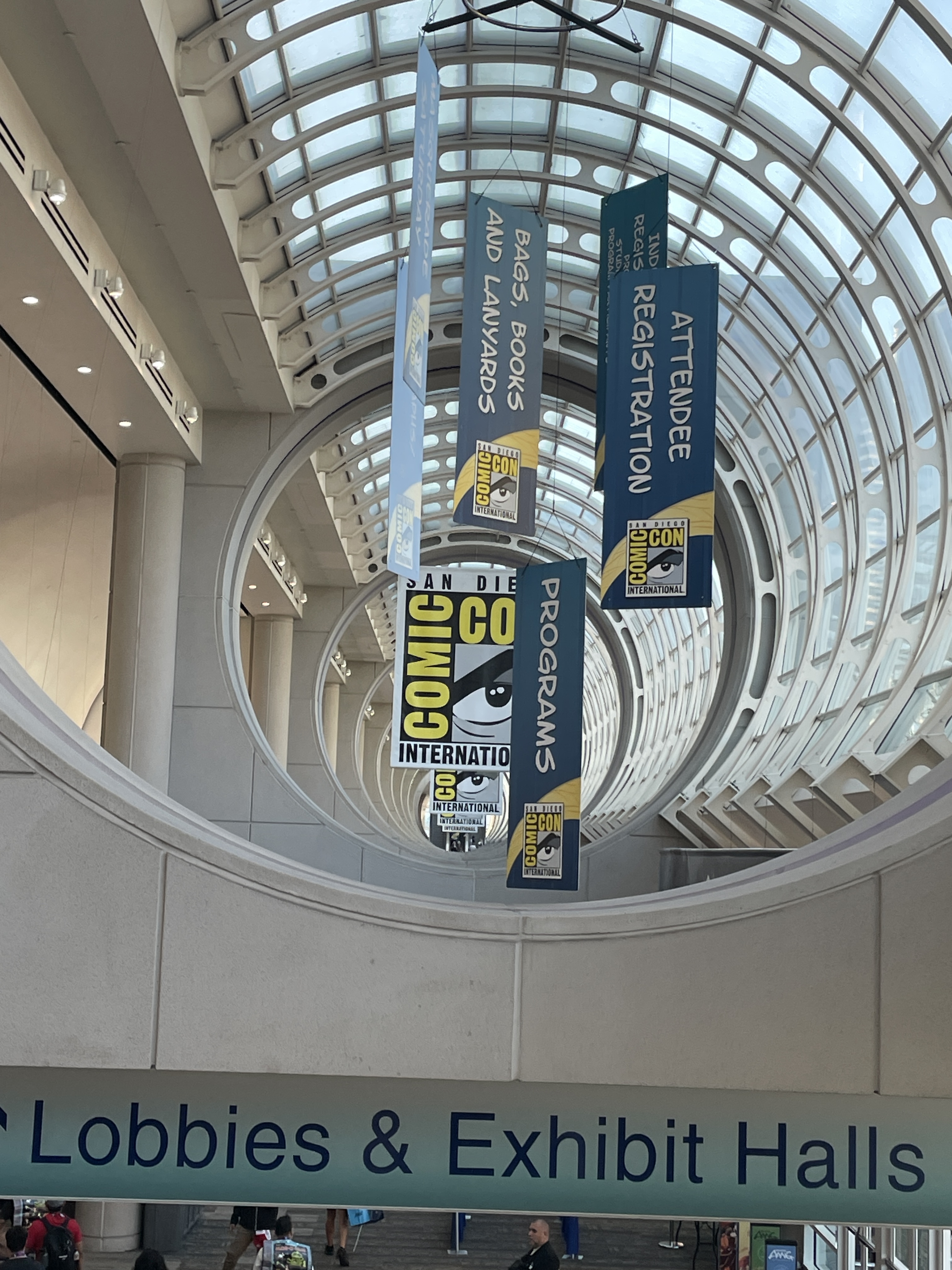
San Diego Comic-Con: A look back

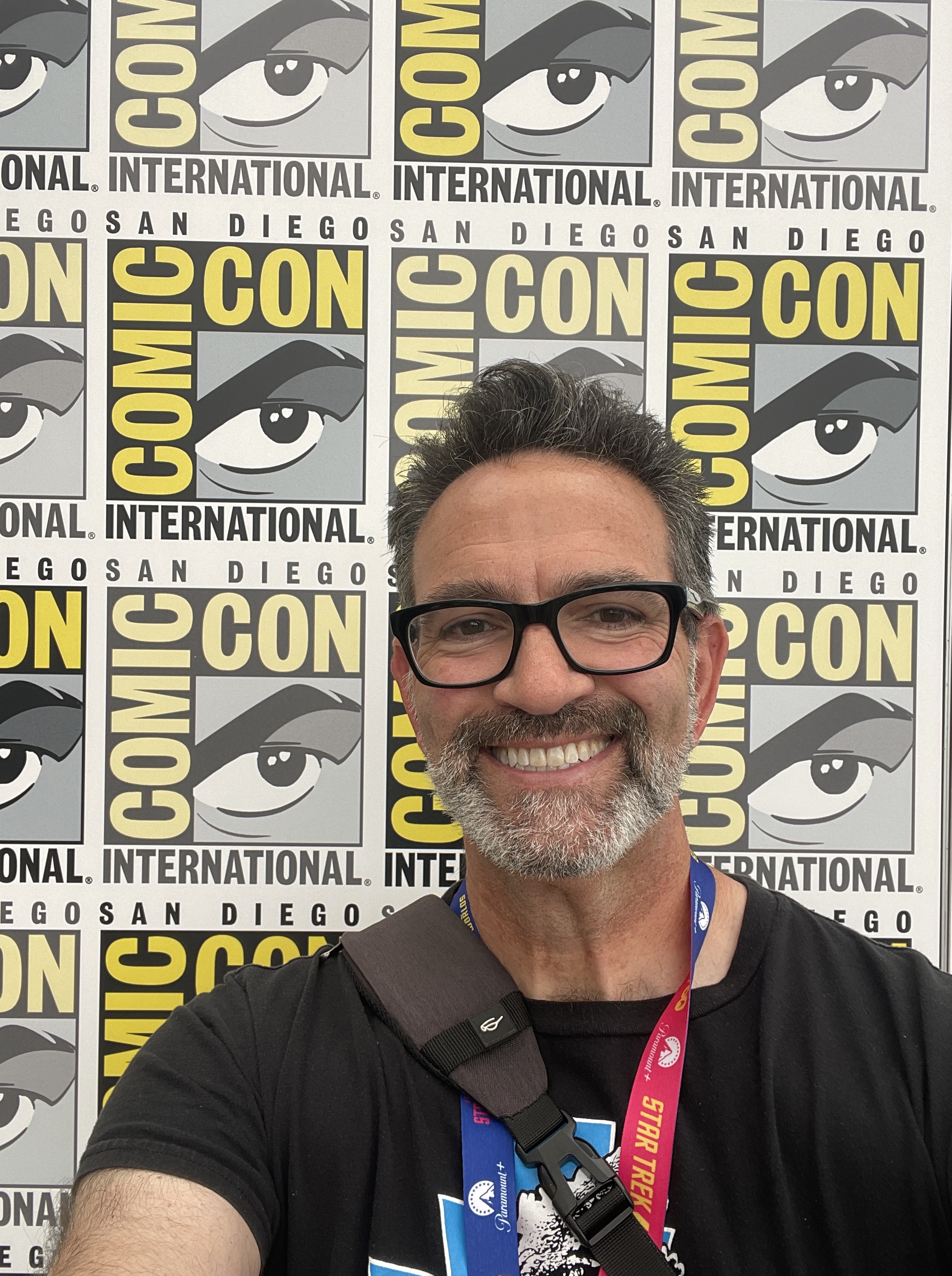
A few days later, and I’ve recovered from my first Comic-Con experience.

Biggest takeaways:

-huge crowd

-even bigger venue

-didn’t see as many cosplayers as expected

-lots of panels covering numerous topics from which to choose. More than a few at the same time, so had to pick which one to attend

-planning out your schedule ahead of time makes a major difference

-figuring out dining options ahead of time also really helped

-comfortable shoes and hydration cannot be emphasized enough

-give yourself a big window of time to wait in line to get into pretty much anything. I was lucky to make it into a few panels that had to turn people away

-most vendors will not say no to cash; only a handful only accepted credit cards

-if I decide to go again, leave the jeans home and bring shorts. San Diego was hotter than predicted

-not as many comic-oriented vendors as expected. If you’re looking for older (and more expensive) stuff, you’re set. A few of the books I’d hoped to purchase – nobody had them.

Among the highlights:

-attending two panels featuring the legendary Leonard Maltin. I took advantage of the opportunity to get a photo with him (taken by his daughter Jessie)

-got to meet a Marvel/DC comic book artist and ask him about character designs while he signed an issue he drew

But what was probably one of the best parts was discovering the work of several writers and writer-artists and talking to them about it.

A majority started by their display catching my eye. Full disclosure – I enjoy art featuring an attractive female protagonist.

I’d approach and ask “Tell me about NAME OF PROJECT”. They’d go into their well-rehearsed pitch. I might have a couple of follow-up questions (i.e. “What was the inspiration for this?” was a common one). My interest piqued, I’d fork over the cash and ask them to sign the book, which they were more than happy to do.

Apart from the obvious satisfaction of making a sale, I got the strong sense that all were very appreciative to not only have somebody ask about their work, but to show a genuine interest in the material.

I bought more stuff than expected, but they were all books. Fortunately, my luggage was able to handle them without any difficulty.

Others will no doubt fondly recall waiting several hours to catch a panel in Hall H (no thank you) or acquiring some exclusive convention swag (pass), but I thoroughly enjoyed working my way up and down the aisles – mostly in the Small Press area – and talking to creators about their work.

No idea if I’ll ever return, but if that does happen, I’ll have a much better idea of what to expect and how to go about it.

And to wear shorts. Definitely shorts.

Helping > hindering

I got an email earlier this week from a writer I’ve never met or interacted with asking for some help/guidance in getting their script out there.

My first thought was “Why me? I’m pretty much in the same position as you are.” But decency won out and I offered up some suggestions of paths they could take, along with asking that very question.

They appreciated what I had to say, and explained they reached out because “I saw that you had interviewed people in the industry and wrote books about it, impressive! I watched you on a podcast and perceived that you were a sharp guy….”

I don’t know about sharp, but it was still nice to hear (along with a shoutout for my books).

As I’ve written here many times, establishing and maintaining your writing community are truly invaluable resources. A key factor is that being open to helping others, especially when you’re not looking for something in return.

It’s just about being a nice person that people enjoy and appreciate interacting with.

Here are a few posts from the archives about that very topic.

Enjoy.

Happy to help

Still happy to help

That’s me – the human flying buttress

Still flying, still buttressing

My brain’s helping hands are ready to go

I despise this with the fiery intensity of a thousand suns

No doubt many within the assorted writing communities have received at least one email of this nature:

“Hi there!

I found your book/project (TITLE) and was immediately captivated by what an amazing work it is on the subject of (WHATEVER).

1-2 PARAGRAPHS OF FLOWERY ASS-KISSING PROSE AND ASSORTED GENERALIZED COMMENTS BASED ON YOUR WORK AND ANY RELATED DESCRIPTIONS AND/OR WRITE-UPS FOUND ONLINE

I think the potential for the impact this material could have is huge! Just imagine readers having in-depth discussions about the complexities revolving around (SUBJECT).

I would love to discuss this more/have you on my podcast/social media. When would be a convenient time for you?”

You may at first think this is an honest and sincere email from somebody genuinely interested in your work.

To a certain extent, it is, but not from a creative perspective.

Because you know what’s coming next – and they’re never upfront about it. They shower you with praise and lofty expectations to reel you in, before the inevitable:

“I wanted to also let you know what the tier levels are for the varying packages we offer to help to promote your material.”

And there it is.

To paraphrase – “We want you to pay for the privilege of having us promote your work.”

Sometimes I respond to the initial email with lots of probing questions, seeking out at least an iota of truth. Getting even that is challenging.

No matter what, I wrap it up by writing “Thanks, but no thanks”, sending it and then deleting all of it.

Sometimes they come back with a “I’m sorry to hear that. We’re really interested in working with you. What can we do to help make this happen?”

I’m too polite to send my immediate thought of “fuck off and die, you bloodsucking leeches”; others may not be as reserved. I remain silent, delete that one, and move on with my life.

I get it. Some writers are so desperate that they’ll shell out the bucks to do this. That’s their choice. I prefer not to. Although I am curious how effective these campaigns are, or if at all. I’m inclined to think most writers regret having made the investment.

Would love to hear from anybody who’s had a positive experience with this sort of thing.

My inbox has seen an increase in these emails over the past few weeks.

Most of them stop sending, but the occasional note pops up after a few months to “just check in” and ask if I’d still be interested. That one also gets deleted right away.

There are A LOT of people out there more than ready to separate you from your money as part of their effort to “help you and your career”.

Do your research. Trust your instincts. If it feels fishy or seems too good to be true, it probably is. If somebody is genuinely interested in helping you, they’re not going to charge you for it or ask you to cover any “fees”.

Caveat emptor indeed, chums.

Still happy to help

A few years ago, I wrote about some then-recent interactions I had within the screenwriting community. A lot of the sentiment still resonates, and this week saw a few more examples on display.

Last Friday was the San Francisco Writers Conference, and I was the coordinator/moderator for all of the panels for the Writing For Hollywood track. A good time was had by all, including panelists and attendees. It’s also why there was no post last week. (Want to go next year? Just click on the link in that first sentence.)

I didn’t get much of my own writing done because two writing colleagues asked for notes on their scripts, each saying “Don’t hold back. Be as brutal as necessary!” And I was. Well, maybe not brutal; let’s call it “critical, but in a positive way”.

I read each script twice, jotting down notes when needed. Both ended up jam-packed with sticky notes on almost every page with a comment, question, or suggestion.

Both writers were very enthusiastic about their notes. Maybe they didn’t agree with everything; at least a large percentage. Best of all – they were both eager to use those notes and start on the next draft.

And in the middle of all this, a friend referred me to a writing group interested in a screenwriting presentation. A few emails with the coordinator later, I’ll be running an all-day workshop later this year.

I’ve always said this is one of my favorite parts of the screenwriting community – lots of people helping others in one way or another, and that sentiment still rings true.

Writing is already a solitary experience, so when you get the chance to help somebody or somebody asks you for help, you should take it because not only is it good for both of you, but it’s a great reminder that you’re not alone in this.