Ask an In-the-Director’s-Chair Script Consultant!

Jeff Richards

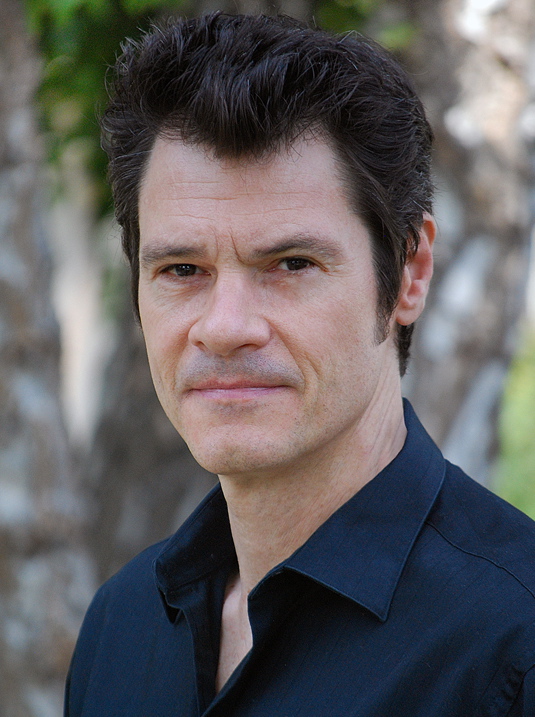
The latest in a series of interviews with script readers and consultants who would be worth your while to work with if you want to get your script in shape. Today’s spotlight is on writer-producer-filmmaker Jeff Richards.

Jeff Richards is a story consultant, filmmaker, and writer with over twenty projects either optioned, produced, or sold. His clients range from award-winning novelists to creative writing professors to screenwriters working for major studios. His own writing includes feature films, TV series, graphic novels, and short stories, as well as writing for children’s animation and computer games. His background includes information technology, a decade as an opera singer, and he is an honorary member of the Takaya Wolf Clan of the Tsleil-Waututh First Nation.

1. What’s the last thing you read/watched that you thought was incredibly well-written?

The Karla trilogy by John Le Carré, and if you ever need a lesson that character is king, look to those. The books are often very low on action; they largely consist of dialogue (most of which is people recounting events, as you’d expect in a book about counter-intelligence) and the characters are so magnificent you don’t care that you’ve just spent hundreds of pages essentially listening to people talk. The protagonist for two of the books, Smiley, often isn’t even doing the talking; he’s merely listening. Yet it works.

As for watching, I’ve been re-watching Doctor Who, and “Blink” is possibly the best hour of television I’ve ever seen. Stunningly imaginative and original, incredibly atmospheric, and one of the very best examples of burying exposition I have ever seen in any medium. If I write something that good, I’ll die happy.

2. How’d you get your start reading scripts?

I spent several years as an independent filmmaker and although I did write most of the projects we were developing, I’d occasionally work with an outside writer and help them. That made me realize that I could apply what I’d learned as a writer to helping others with their scripts.

3. Is recognizing good writing something you think can be taught or learned?

Absolutely. The love of words is probably pretty difficult to instill in an adult, but if someone is already interested in it, then it is definitely possible to learn to recognize good writing. The secret is to read widely and actively, both good and bad material; once you’ve read and analyzed enough writing, and worked out why it works or doesn’t, you start to see the patterns very clearly, particularly in screenplays. Objectivity about our own writing? That’s trickier…

4. What are the components of a good script?

What’s most important, and what I don’t see enough of, is a unity of character, plot, and theme. People talk about “character-driven scripts” or “plot-driven scripts” when, in reality, they should driven by the same engine.

As for the rest, it’s about what you’d expect; an active protagonist, strong pacing, dialogue with subtext, an original concept, rising stakes, good conflict, a surprising but inevitable ending… all that sort of thing. However, the only absolute must-have is that it is interesting. For every other must-have you’ll see on a checklist, you can usually think of a great script that didn’t have it. Passive protagonists are death… unless you are talking about The Graduate. Or Being There. But these are scripts by master writers; you need to be very sure why you are going against the grain, and how it makes your story better. (And, as you can tell by the age of the examples, rule breaking isn’t that popular anymore in Hollywood.)

5. What are some of the most common mistakes you see?

Going back to the previous point, a disconnect between character, plot, and theme is common. This usually causes protagonists with unclear goals and flat second acts. However, the most common thing I see is on-the-nose dialogue. Characters who say exactly what they feel and think, or who sum up the central conflict in a speech. If you ever read “You know what your problem is?”, then that’s probably a bad sign.

6. What story tropes are you just tired of seeing?

I think I’m almost unique in that my answer is “none”. Every trope is ready for a great script to make it fresh. Amnesia is the most tired device in writing, yet The Bourne Identity comes along and is fantastic. There’s always room for a great script.

The thing that tires me isn’t story tropes, but clichéd dialogue. Don’t have lines from other movies in your movie. Be original.

7. What are the 3 most important rules every writer should know?

-Read widely; lessons are everywhere, and most of them are outside your genre and format. So if you’re a sci-fi feature film writer, read historical fiction. Read detective comics, manga, sitcom scripts. Expand your brain.

-Writing is rewriting; every first draft is a huge bundle of problems waiting to be solved. So solve it. And not by editing, but by rewriting. Changing words in action or dialogue is just editing. Changing characters, plot points, deleting or adding scenes, that’s rewriting. Do multiple passes, focusing on a different thing each time. One pass (or several, more often) for plot, one for each major character’s dialogue, one for action lines… if you’re building a shelf, you don’t sand and paint at the same time.

-Don’t get hung up on systems. Read how-to books, sure, but pick and choose your advice. Being a slave to a particular checklist is usually indicative of poor writing. If I can tell that you’ve read Save the Cat by reading your draft, then there’s probably too much Snyder and not enough you in your script.

8. Have you ever read a script that was an absolute, without-a-doubt “recommend”? If so, could you give the logline?

Unfortunately, I can’t share loglines due to confidentiality. But for me, “recommend” can’t focus too much on the logline. Concept is important, sure, but the writing is what matters, what makes it a “recommend”. I’ve had writers with straightforward concepts come to me and, after we hone the execution, they get jobs at major studios or get 10 on The Black List. That doesn’t come from the logline, but the execution, how they wrote (and, as per rule 2 up there, rewrote!) Chinatown’s logline doesn’t set the world afire, yet it is generally regarded as one of the great scripts. So a logline wouldn’t really illuminate why I feel a particular script is great. Loglines only show whether something is the type of script an exec should read (e.g. it’s high concept sci-fi and that’s what they’re looking for). The logline gets you the look; the writing gets you the job.

9. How do you feel about screenwriting contests? Worth it or not?

I personally don’t do them very often. I have in the past and placed well, but I never found the contest actually led to a job; what worked for me was my personal networking. However, every path is different and obviously you hear success stories. What is important is that you put in the time, both into the writing (mostly) and into building your career, whether that’s contests, pitchfests, networking… Whatever seems to be working for you, do that. If nothing’s working (and the writing is genuinely where it needs to be!), then change things up.

10. How can people get in touch with you to find out more about the services you provide?

Jeff is no longer actively seeking clients, but is still open to receiving requests via his website at strangeborders.com. He also suggests connecting with him on Twitter.

11. Readers of this blog are more than familiar with my love/appreciation of pie. What’s your favorite kind?

Pumpkin, no question. With fresh whipped cream. A great pumpkin pie will turn me into the seven-year old kid who eats so much he feels sick. It is inevitable.

I probably need help.
Ask a Thoroughly Meticulous Script Consultant!

Jim Mercurio

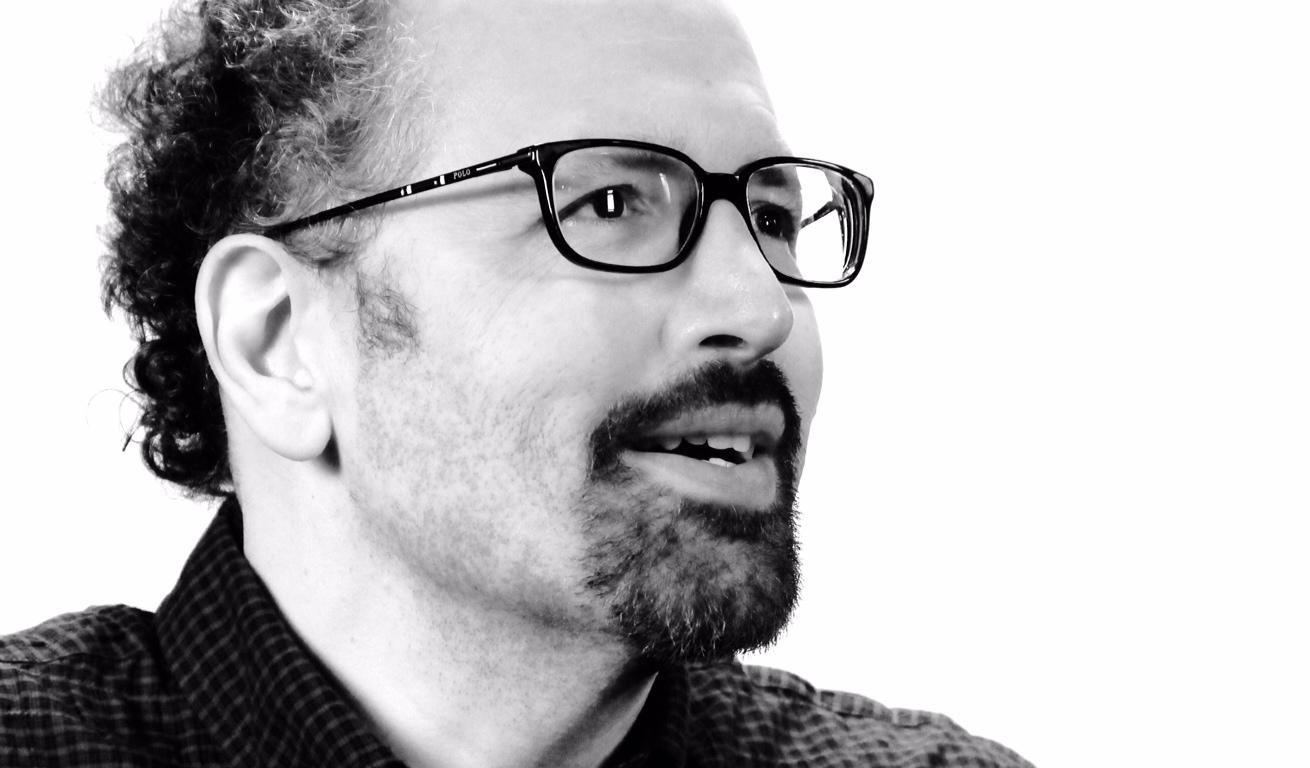
The latest in a series of interviews with script readers and consultants who would be worth your while to work with if you want to get your script in shape. Today’s spotlight is on Jim Mercurio of A-List Screenwriting.

Jim Mercurio is a filmmaker, writer and teacher. The high-concept horror-thriller he directed, Last Girl, won best feature in the 2012 DOA Bloodbath Film Festival (as #12). The Washington Post called his Making Hard Scrambled Movies (production tutorials) “a must for would-be filmmakers.” His workshops and instructional DVDs, including his recent 10-hour set Complete Screenwriting: From A to Z to A-List, have inspired tens of thousands of screenwriters. One of the country’s top story analysts, Jim works with Oscar-nominated and A-List writers. He is finishing up the first screenwriting book that focuses solely on scene writing, The Craft of Scene Writing, for Linden Publishing. To find out about working with Jim, visit his website at http://www.jamespmercurio.com.

1. What’s the last thing you read/watched that you thought was incredibly well-written?

I used to try to see almost every film that was released in a year. Lately, for better or worse, I have had less time to be a viewer. Although I only watch 3-4 TV series at any given time, I really liked True Detective. I like Girls. Lena has a great voice and the show, as well as You’re the Worst, for me, fills in for the quirky little indies that seem to be on the decline. I thought Her was exciting because it was high-concept but indie in spirit. And it could have been made for almost any price. It was one of those films where I can say, “I wish I had made it,” or “I could have or should have written that.” I also look for gems of craft in surprising places. Who can’t love – capital L-O-V-E — the moment in The Avengers when Bruce Banner reveals the secret to the Hulk: “I’m always angry”?

2. How’d you get your start reading scripts?

After grad school, I wanted to figure out screenwriting inside-and-out because I loved screenwriting but I also thought it would be a means to be able to direct. I read probably every screenwriting book and resource available in the 90s. I worked as a development exec for an indie company owned by one of the producers of Gas-Food-Lodging. And then I attended 120 hours of classes from the so-called “gurus” including, McKee, Hauge, Truby, etc. for a review article in Creative Screenwriting. That experience expanded my perspective and spurred my ability to be able to identify and clearly articulate issues in a script. I would do notes for friends and, by word of mouth, I eventually got more people who wanted feedback, so that’s how I started working as a story analyst. With my development background, my private story analysis and contests I have run, I have read more than 5,000 feature screenplays.

3. Is recognizing good screenwriting something you think can be taught or learned?

For the most part, yes, assuming that a reader has some affinity for screenwriting and storytelling. Recognizing a good or very good script that is a good read is a common developable skill. A rarer skill is when a reader can accurately determine whether a script will play as a film. Some scripts deliver a smooth and emotionally satisfying read but would not translate as well to film as would some scripts that may be a less satisfying read.

4. What are the components of a good script?

I like to see solid execution: great dialogue, exploiting concept, unity of theme… all the craft elements that I preach. No longer in the acquisition side of development, I have a more solipsistic approach to material. I want to find scripts I can direct or produce: High-concept scripts with modest budget a la Her or Buried. Or a script with such awesome characters and dialogue that it is imminently castable or packageable. In general, with shrinking or nonexistent development budgets, I encourage all writers to nail the execution, so their scripts are as ready as possible to being shot.

5. What are some of the most common mistakes you see?

6. What story tropes are you just tired of seeing?

My development for outside companies consists of intensive feedback on a few scripts or rough cuts per year. I no longer read 20 scripts per week, so that’s why I combined these two questions. And I will deal with craft issues below.

Impatience. Writers want to rush material to market that isn’t ready. In general, scripts usually aren’t done. The execution isn’t there. It’s several drafts away from being ready to be a movie. For my clients who aren’t already successful writers, the best thing they can do for their career is to go from good to great and write an amazing script.

Clarity. Writers often don’t have a clear picture of how their material relates to the marketplace. I have made several low-concept feature films, so you can learn from my, ah, pain and experience. If you are writing low-concept dramas, unless the script is a masterpiece or can be cast with name actors, you have to accept that the script will only be valuable as a writing sample. If your goal is to sell your next script, you are going to have to say “no” to a lot of your story ideas based solely on their concepts.

7. What are the 3 most important rules every writer should know?

There are no rules and break them at your peril.

I spent a few years and tens of thousands of dollars creating a 10-hour DVD set where I tried to cover the dozens of craft elements writers need to know including story structure, theme, character orchestration, dialogue, writing cinematically, concept, handling exposition and scene writing. I am not sure I can narrow it down to just three from a craft perspective.

I work with Oscar-nominated and Emmy-winning talent whose material is always good, yet they aren’t satisfied. If successful professionals are still fighting to make their scripts better and improve their craft, so should beginners. Regardless of your genre, aim to transcend it. Rewrite it until it sings. Along with concept, one of the most important factors in giving your script a chance is nailing the execution.

8. Have you ever read a script that was an absolute, without-a-doubt “recommend”? If so, could you give the logline?

If you are giving a recommend that means you are reading for someone else and evaluating the material relative to their tastes. There have been scripts that I have loved that weren’t right for the company I was reading for. I get more excited about writers who are a recommend. I want to know what else they have or what they are considering working on next.

There were writers I championed while running the Screenwriting Expo Competition whose scripts would be almost impossible to produce – a $200-million biopic of Michelangelo; a magical realist masterpiece for which there is literally not a young actress in the world whose box office value could carry the movie; a chamber-play western; a devastatingly bleak low-concept drama. But more than a decade later, I keep in touch with those writers: Bill, Nathan, Naida and Lorelei.

I have even helped a few of them to get some non-guild writing work. Not life-changing money but the chance for valuable experience. A reminder that a great writing sample, even if it doesn’t sell, has tremendous value.

9. How do you feel about screenwriting contests? Worth it or not?

See above.

Of course, they are worth it. But be practical about what you hope to achieve from them. Only a miniscule percentage of writers should look at contests as a money-making endeavor.

But contests can pay off in other ways. They can inspire you creatively, encourage you to make your deadlines and help to promote your work. There is also a social aspect. They can lead to you meeting other people.

They can also be a tool to evaluate your writing. There is always subjectivity in reading scripts, but if your script hasn’t advanced in 9 out of 10 (appropriate) contests, then I would suggest not spending more money on contests. Work on making the script better and maybe even consider spending your contest budget on feedback.

10. How can people get in touch with you to find out more about the services you provide?

They can look in to working with me at my story analysis site, www.jamespmercurio.com, or check out my DVD set Complete Screenwriting: From A to Z to A-List at www.a-listscreenwriting.com. My coaching and mentoring approach creates a relationship with clients where I can push and challenge them throughout several drafts of a script until it’s where we want it to be.

11. Readers of this blog are more than familiar with my love/appreciation of pie. What’s your favorite kind?

I have gross points in my last film, so if it ever makes money, that will be my favorite piece of the pie.

Ask a PAGE-winning Script Consultant!

Scott Parisien

The latest in a series of interviews with script readers and consultants who would be worth your while to work with if you want to get your script in shape. Today’s spotlight is on Scott Parisien, a mentor, analyst and writer with Script Reader Pro. He wrote the feature FOXTER & MAX in 2019, and his script INCISION was a Bronze Prize Winner in the 2013 Page International Screenwriting Competition.

1. What’s the last thing you read/watched that you thought was incredibly well-written?

There have been many movies this year I felt were actually quite well written. Sadly, most fell outside of the studio system or did not come to the big screen, and if they did, it was barely a blip on the radar. Movies like The Way Way Back, The Spectacular Now, Out Of The Furnace… these really focused on the characters and their journeys, and were filled with touching moments and emotional beats I really identified with. They had characters that were rounded and dimensional and deeply layered. This is what we don’t really get in the studio system any more. But two films that really hit that nerve in the system were The Fault In Our Stars and If I Stay, which were both adaptations, which explains why the characters were more able to be identified with. For me, it’s all about connecting with the characters on a deeper field. As far as the blockbusters, the only one I felt was well written, due to the intelligence of the script and the overall theme of the story, was Dawn Of The Planet Of The Apes. It had such heart, such an identifiable father/son struggle, and themes that worked on both the human and ape sides of the story. I found it quite powerful because of this, and the effects and action really did accent it rather than overwhelm it for me. I wish more blockbuster studio films managed to achieve the same.

2. How’d you get your start reading scripts?

Many years ago, I received a grade of Recommend on two scripts through what was then Script PIMP (now Script Pipeline). I began a great relationship with the guys who ran it and when they had a spot come open they gave me a chance to show what I could do, as I was working on my own consultant service on the side and had experience with this. I then went on to work quite successfully with them and was a senior story analyst, being there for over 5 years. I’ve been running my own service all along as well, and now work with ScriptReaderPro.

3. Is recognizing good writing something you think can be taught or learned?

I’m not sure it can be taught, or even learned. I believe certain people have an inert skill for identifying good stories and good writing, much like Simon Cowell has a knack for recognizing talent and potential in a singer’s voice. Certain people can see that special spark on the page, within that voice and writer. I don’t think just anybody can be a screenwriter. Not only does it have certain areas of craft that must be mastered and manipulated to a person’s style and form, but there’s also a very special art to it. Some people don’t believe there’s an art to screenwriting, that it’s just a blueprint for a movie, but the great writers truly do put together a masterful piece of art in their screenplays. Not everyone can do it, and that’s why 99% of screenwriters tend to fall short of becoming that professional writer we all strive to become.

4. What are the components of a good script?

This is tough because there are so many things that need to be in a script to make it really stand out and resonate above the piles of not so great stuff. Writers tend to focus so much on their “rules” like format and saving the cat: exact page beats and such. But the greats, they worry about layers and nuance and emotional connection. Things like character development, flaws, obstacles. For me, it’s all about the flow of the story, the pace at which it pulls me through the basic structure all screenplays have. That will really make me sit up and take notice. The best screenplays are the ones you never stop to see what page they’re on, or what act you may be in, because it has seamlessly pulled you deep into that world. And that happens very, very rarely.

5. What are some of the most common mistakes you see?

For me it’s not about spelling or grammar, or whether something should have been in CAPS or not. The biggest mistake I see is screenwriters not doing all they can to suck every last drop out of a scene. They are too soft, or too vague, or talking heads with no real substance. These screenwriters lay down the surface and don’t seem to take the time to really dig in and crack the surface to see what is really happening underneath.

6. What story tropes are you just tired of seeing?

I’m actually sick and tired of the main character’s motivation being a dead wife. So many scripts these days and pitches rely on the protagonist being driven toward his goal by the death of the woman he loved. Of course this creates a strong emotional connection as we’ve all lost a loved one in some way or another, but it’s now so cliché it just comes off flat and not interesting in any way.

7. What are the 3 most important rules every writer should know?

1) Take your time. If you’re writing a spec, you have all the time in the world, as well as only one chance to impress. Too many writers rush and don’t let a script really simmer and breathe before they stamp it complete.

2) Find your voice. Don’t write in every single genre because you have an idea you think is good. Choose your style and your voice. It’s hard to make your mark as a horror writer if you submit and they want more, and all you have is a children’s Christmas movie, a western and an emotional drama.

3) Choose your concepts and stories carefully. It’s hard to get read in this business as it is, but even harder if the idea you have isn’t something that will get people excited. The best way to think of it before you write your story is if you can see a movie poster. If the concept you can pitch will elicit a movie poster in our minds, we can see it as a movie. If it doesn’t, you may want to see what other ideas you plan to put 6-12 months into.

8. Have you ever read a script that was an absolute, without-a-doubt “recommend”? If so, could you give the logline?

I’ve only read one script I wish was my own. It was so good, so layered, so character-rich, and it was a heist movie as well about two bank robbers on their last run who steal a getaway car with a pregnant woman asleep in the back, so it had commercial appeal. But it had a deeper theme about human connection that ran through the entire story. The writer had a very special voice that was undeniable.

9. How do you feel about screenwriting contests? Worth it or not?

It all depends on the contest. Everything is so subjective. I won a midlevel contest and didn’t get a single request. I was a winner in one of the top 3 and the requests flooded in. It all depends on how a writer capitalizes on those wins or placements. Using them to pump up your credibility in a query can help it get noticed.

10. How can people get in touch with you to find out more about the services you provide?

https://www.scriptreaderpro.com/our-script-coverage-services/

11. Readers of this blog are more than familiar with my love/appreciation of pie. What’s your favorite kind?

Saskatoon Berry Pie. These little dark blue berries, like a blueberry but totally different, grow in central Canada and into Montana and North Dakota. These are little gems if you can ever get your taste buds on them, in a crust with a gratuitous pile of whipped cream on top.

Ask an Ubiquitous* Script Consultant!

Danny Manus
*Seriously. The guy’s, like, everywhere. Podcasts, social media, online articles, you name it.

The latest in a series of interviews with script readers and consultants who would be worth your while to work with if you want to get your script in shape. Today’s spotlight is on Danny Manus of No Bullscript Consulting.

Danny Manus is the former Director of Development for Sandstorm Films (The Covenant, 8MM2) and Clifford Werber Productions (Cinderella Story, Just Add Water), where he sold “To Oz” to United Artists. He’s the author of “No B.S. for Screenwriters: Advice from the Executive Perspective” and was ranked one of the Top 15 “Cream of the Crop” script consultants in CS Magazine. He was also named one of Screencraft’s “25 People Screenwriters Should Follow on Twitter.”

1. What’s the last thing you read/watched that you thought was incredibly well-written?

The best written things I’ve watched lately have been on TV. There are movies I’ve really enjoyed – Chef, Planet of the Apes, Guardians of the Galaxy, Fault in our Stars, Bad Words, etc. – but none this year yet that I thought were OMG fantastic writing. To be fair, I haven’t seen Boyhood yet. But for me, TV is where the best material is these days. My favorite new comedy is You’re the Worst on FXX. I also really enjoyed The Last Ship on TNT and Masters of Sex on Showtime this summer. I’m sure there are wonderfully written books out there, but I don’t get to read them.

2. How’d you get your start reading scripts?

My first start was as an intern about 13 years ago at Columbia Tri-Star in TV Development and 20TH Century Fox Feature Casting. I was charged with reading everything that came in and doing coverage on them. But I used to go through their archive library and just read as many as I could, especially at Tri-Star. My coverage was liked by the VPs I worked under so much that they loaned me out to the SVP (Sarah Timberman at the time, who would not remember me if you paid her) and then the President at the time. Those gigs gave me enough coverage samples to land my first assistant job after I graduated.

3. Is recognizing good writing something you think can be taught or learned?

Recognizing bad writing is something anyone can do. Recognizing great writing is something that can be taught and learned with time and experience. As a first year assistant and intern, I could tell you what was written poorly. But it took a few years of reading hundreds and hundreds of scripts to TRULY understand good writing. And many thousands of scripts later, I’m still learning.

You can’t read a book on screenwriting and think you’re suddenly able to be a professional consultant or reader or writer. There is no checklist given to new readers, it’s learned on the job – that’s why it’s SO important for writers to READ. Though I actually did develop a checklist I used to give to my interns. It was 110 items long. But if you’re a great reader, they are all just in your head and you notice them naturally.

4. What are the components of a good script?

There are basic elements everyone agrees on – a concept and hook that sparks a reaction and has potential to lead somewhere intriguing; compelling, three-dimensional characters who make you want to follow them; dialogue that feels sharp and precise yet natural and flows; enough growing conflict and high enough stakes to keep ones interest; and a plot that progresses throughout the script in interesting ways. Every script should have strong setups, executions and payoffs. But to make it go from good to great, it’s about the X-factor. Some of that is voice, but some of it is just the right writer writing the right story in the right way at the right time. That’s when true brilliance strikes. And it doesn’t happen often.

5. What are some of the most common mistakes you see?

I see them all. I mean, the biggest mistakes are that writers are writing stories that aren’t MOVIES. They’re just not strong enough ideas or hooks to be movies in the current studio or indie marketplace. Or that the writer doesn’t know the hook of their idea. Or that the writer uses too many COINCIDENCES or serendipitous moments to create plot.

Actually, you know what the #1 mistake I see is? The use of YOU’RE and YOUR! I mean, WTF people – it’s not that hard to know the difference. Thinking that typos and grammar and format don’t matter – they do!

The biggest non-craft mistakes writers make is not doing their research and not knowing ANYTHING about the actual business. And secondly, submitting projects LONG before they’re ready to be submitted. Querying and pitching on a first draft or before a script is even written, entering contests with a first draft, posting their second drafts on websites. The biggest mistake I see is desperation and impatience outweighing common sense and good judgment.

6. What story tropes are you just tired of seeing?

I could go the rest of my life without seeing another Geek to Chic Teen story. Or the Christmas tale of someone losing their Xmas spirit until X happens. Or the story of the struggling writer trying to break into Hollywood and X happens. The Screenwriter protagonist CAN work – but 98% of the time it doesn’t and I like to play the odds. In terms of character, if I never have to read about another female rape victim or domestic abuse victim, I’d be okay with that too. Those are so common in scripts it’s lost its meaning. But in the end, what I always say is – Don’t run from the cliché, just make it seem NOT cliché. That’s a writer’s job.

7. What are the 3 most important rules every writer should know?

-It’s not called the artist colony, it’s called the Film Business. So treat it like one. And if you want this to be a career, treat it like one.

-Writing is rewriting and if you can’t take notes and really truly rewrite, you’ll never have a lasting career.

-Your first draft and first script is SUPPOSED to suck. If you think your first script is going to sell and make you rich, you’re living in a dream world. Just. Keep. Writing.

8. Have you ever read a script that was an absolute, without-a-doubt “recommend”? If so, could you give the logline?

Absolutely. But most were already projects in development written by top notch writers. I have had a number of clients whose projects were Recommends – but none were like that on the first draft. I can’t really divulge the loglines though.

9. How do you feel about screenwriting contests? Worth it or not?

There are about 15 contests out there that are completely worth it that I highly recommend, and about 250 contests out there that aren’t. If you win a major, prestigious contest it can definitely start your career and get you noticed. But if you’re continuously a quarterfinalist or not even making the quarters, then you’re not ready yet. Or your script isn’t. Contests are absolutely worthwhile IF your script and writing is at a level where you can be in the top 100 writers out of 8,000. If you can’t say that, then you’re probably wasting $40. Keep in mind – the Top 10 contests get about 45,000 submissions total. And they give out about 150 prizes to finalists and winners. So, those are your chances. Your script has to be REALLY fucking good. But as someone who has had multiple major contest winners and finalists as clients, that’s what I’m here for.

10. How can people get in touch with you to find out more about the services you provide?

You can always check out my website and services at www.nobullscript.net and follow me on Twitter @Dannymanus (I was named one of Screencraft’s 25 People Screenwriters Should Follow on Twitter).

And if interested, I’m running a 4-week online course “Creating More Compelling, Castable Characters” which starts Sept 26th and it’s going to be a great class. So, I encourage everyone to check out details at www.compellingcharacters.eventbrite.com

11. Readers of this blog are more than familiar with my love/appreciation of pie. What’s your favorite kind?

I’m an apple pie guy, though a good chocolate cream pie with the chocolate mousse and whipped cream…nom nom nom.

Ask a Script Consultant who’s also a Working Writer!

mark sanderson

The latest in a series of interviews with script readers and consultants who would be worth your while to work with if you want to get your script in shape.

Mark Sanderson (aka @scriptcat) is a Los Angeles based screenwriter, script consultant, and sometimes actor blessed to be living his childhood dream of making movies with a spec sale and a dozen screenplay assignments that have produced seven films. Mark’s long association with award winning Hollywood filmmakers dates back to his first produced screenplay and has since worked with Academy Award® winning producers, veteran directors, and Academy Award®, Emmy®, and Golden Globe® acting nominees. He offers script consultation services on his website at www.fiveoclockblue.net and also offers advice on his screenwriting blog MY BLANK PAGE. Look for his upcoming book A Screenwriter’s Journey to Success coming out later this year on Amazon.

1. What’s the last thing you read/watched that you thought was incredibly well-written?

I don’t have much time to spend watching a lot of TV or movies, but the best writing these days is on television in my opinion. I manage to catch an episode here and there of shows, but don’t really spend a lot of time watching many series. When I watch movies, I tend to be really picky and very few films out there today don’t really draw me in—so I go for the classics. On television, I really thought the limited series Sherlock was excellent writing, Mr. Selfridge too, and I got hooked into the The Following for a while and that was good serialized writing. I’m just getting into the old pulpy Doc Savage novels from the 1930s and the writing is great and so visually ahead of its time. I read that Hollywood is planning on making a Doc Savage movie and if done right, could spawn a series of new films.

2. How’d you get your start reading scripts?

Well, I’ve had a professional screenwriting career for the past fifteen years and during the last few years I decided to open my consulting business on the side.  I’m always reading scripts even if I’m not consulting on them. I have a small group of writer friends and we trade our scripts back and forth for feedback.

3. Is recognizing good writing something you think can be taught or learned?

I believe it comes from years of learning and studying the craft of screenwriting. When writers build a strong foundation of experience reading scripts, studying structure, character, writing scripts, executing notes and mastering their craft—this is when they can finally give experienced and critical feedback if a script is good writing or not. It also is vital to know the language of cinema. I’m aware that some consulting sites farm out the reads to “readers” and one never knows who is actually reading the script or their experience level when giving notes.

4. What are the components of a good script?

It starts with a compelling story and something that you can clearly see grew from the writer’s passion for the material. Too many times I read scripts that are trying to chase after Hollywood’s big budget blockbusters and they fall short because the writing is boring, clichéd and trying to emulate something that has already been created. The scripts read like a rehash and not something original. A good script showcases the writer’s unique voice and the best of their talents. It has interesting characters that we care about and written in a fluid, efficient way that includes only what is necessary to keep the story moving forward. A good script also has a rock solid structure and a series of reveals, surprises, setups and pay offs that keep us captivated to read until the end or sit through the film until the lights come up in the theater.

5. What are some of the most common mistakes you see?

I’m shocked that many screenwriters still have no respect for the professional format of a screenplay. They believe the reader will look past the format and typos issues to see their genius idea and buy it for that alone. A script lives or dies by a thousand small details and considering the volume of scripts that bounce around Hollywood every year, the industry has no patience for unprofessionalism. Other common mistakes I see happen when screenwriters do not work from a solid outline or treatment before they jump into pages. Approximately three quarters of your work usually goes into the story even before you type FADE IN. Other mistakes come from overwriting and micromanaging the scenes. Aspirants need to learn what to put in a script—and equally as important what to leave out. I tell writers: “Stay the hell out of the way of the story.” Many are so eager to put their fingerprints all over the pages and that’s just ego. The best writing is when the screenwriter is almost is invisible on the page and the script reads as if you’re watching the film. I also find too many mistakes with structure and the story happening too late or not enough story to facilitate 100 pages. The set up in the first act many times is way too long. Hopefully these writers learn from their mistakes and focus on becoming better screenwriters by creating stories they are passionate about rather than chasing fame and fortune.

6. What story tropes are you just tired of seeing?

One big one that I can’t stand is the use of “Deus ex Machinaor using a contrived way at the end where a character or action saves the day. It shows lazy writing and ends the story on a weak beat leaving the reader unfulfilled. Another one is the “fall” or “twisted ankle” of a character escaping that is usually followed by the line, “Go on without me!” Another one I’m tired of seeing is the “I hate my job, my boss and do nothing but complain” routine.

7. What are the 3 most important rules every writer should know?

1. Disrespect the craft at your own peril. You will never be bigger than your craft because screenwriting is an ongoing learning experience.

2. You must become a collaborator and ultimate team player because if you grimace at their notes, they will brand you as “difficult” and not work with you again.

3. You may have to write five, six or seven specs over a period of years to even get one optioned or maybe sold if you’re lucky. But if you’re impatient and looking for fame and fortune, you’re in the wrong business.

8. Have you ever read a script that was an absolute, without-a-doubt “recommend”? If so, could you give the logline?

Well, I don’t give “recommends” because I’m not reading for a producer, but I do tell writers if they were successful in the execution of their idea. Screenwriting is all about the execution. Good ideas are a dime a dozen in Hollywood—they’re everywhere and it’s the execution of a script that’s vital to its final success. Yes, I did read a few scripts during the last year that were superb and written by experienced filmmakers—so that helped. I can’t give out the loglines as I have a non-disclose agreement with my clients, so I’m not allowed to discuss the elements of their projects with anyone.

9. How do you feel about screenwriting contests? Worth it or not?

Yes, many of the top contests are worth entering as a chance to “make some noise” and get noticed. Back in the day, I entered a spec in the Nicholl Fellowship and it ended up in the top twenty scripts out of thousands worldwide. They picked the top eight that year for the fellowship, but since I had placed in the next dozen, agents and mangers were willing to give it a read. Eventually it found a producer who championed the script and it was produced, played in film festivals worldwide, premiered on TV and distributed globally. But, be careful and read the fine print of the contest you are entering as some stake claim to your script if you win. Do your homework on the various contests and make sure you are putting out your best material that will properly represent your talent and ability. If it’s not ready, go ahead and miss the deadline because there is always next year.

10. How can people get in touch with you to find out more about the services you provide?

Screenwriters can find more information about my consulting services on my website at: www.fiveoclockblue.net. I’m also on Twitter: @scriptcat

11. Readers of this blog are more than familiar with my love/appreciation of pie. What’s your favorite kind?

Oh that’s an easy one…definitely a tie between boysenberry and cherry. I could eat both with ice cream as a “last meal” and die a happy man. Apple pie comes in a close third, but all pie should be heated.