
Michael Lipoma is a WGA writer and a producer whose scripts have placed in the semifinals or higher in every major screenwriting competition, including winning Best Feature and Grand Prize at SLAMDANCE last year. With experience writing on assignment for features and television since 2010, Michael enjoys backing his characters into corners, forcing them to fight their way out or die trying.
He has developed multiple producers’ original ideas into commercially viable screenplays and pilots. He is co-creator and co-writer of a new television series currently in development in New Zealand. He is the lead producer on a feature film project currently in partnership with an A-List actor’s production company. Before writing and producing full time, Michael was Vice President of a $150M company. He also finds writing in the third person a little weird.
What’s the last thing you read or watched that you thought was incredibly well-written?
I have been binge watching The West Wing, and am dazzled by the dialogue–but it’s more than that. Sorkin doesn’t just write great dialogue–it’s the situations he places the characters in that give great dialogue even greater depth. And the dialogue wouldn’t be as meaningful if he hadn’t made these characters people we care about.
How’d you get your start in the industry?
I wrote spec scripts. Bad ones. Then I went to school and learned the craft. Then I just kept writing. While working on a script with a partner, we met a producer at AFM, and within 24 hours, we had a handshake deal to write a feature based on her original idea. That script was The Fall, and last October, it won Slamdance Grand Prize and Best Feature. But that makes it sound too easy. That journey started seven years ago. We attached another producer, have been through more page-one rewrites I can imagine, and have gotten–and incorporated–notes from many, many people.
Is recognizing good writing something you think can be taught or learned?
I believe recognizing good writing can be taught and learned–and you don’t need a teacher. The way to recognize good writing is to read ALL writing. I’ve learned more from giving really deep notes to scripts that were in terrible shape, than reading great scripts. Read every script you can, and when you read something good, you’ll feel it. It’ll sing to you from the center of your chest. But read all of it. After a while, you’ll internalize what’s good and what to stay away from. You’ll feel when a story turn is necessary. And you’ll realize that when watching a movie. I can’t tell you how many times I’ve hit pause on a movie, checked the timer, and said, “Yep. That’s midpoint.”
What do you consider the components of a good script?
The obvious, of course: structure, dialogue, making every syllable mean something. A story that turns, and delivers on the promise the writer made in the premise or opening. Also, a great opening. A killer first page. I’ve been working as a producer for the past five years, and I know within a page whether the script I’m reading has a chance at getting me interested. I do read all the way through, but I’ve always been able to tell within a page or two how it’s going to go. Haven’t been wrong about that yet.
There’s one more component, and it’s just as important to me as any of the other factors that make a good script, and that’s what people are calling today, “voice.” I read a lot of scripts, and many deliver what a script should deliver: Compelling characters, solid structure, serviceable dialogue. All good stuff. But when I read a script with an original voice, that delights me, and makes me want more, more, more!
I’ve also found that writers with a unique voice are fun people to hang with. And when you option a script, you’re going to be hanging with the writer for a few years, and hopefully you’ll end up friends for life. Also, I recognize I’ve strayed a bit from the original question about components of a good script. I do that. I stray.
What are some of the most common screenwriting mistakes you see?
Big blocks of action with no white space. My job as a producer is to read a script all the way through–but when I see solid pages of text, I take a breath, because I know it’s going to be a slog to get through. That’s not to say the script might not be great, but if I can offer advice to writers, make hitting the return key one of your best friends. Your reader will love it.
Another mistake is having dialogue move the story forward. In these cases characters usually tell each other what’s happening or how they’re feeling. That means everything’s on the surface.
What story tropes are you just tired of seeing?
Movies starting at funerals–ugh. Seen it too many times. Watching a big, surprising reversal or twist and discovering it was a dream (that happens more in TV, but still). Also, movie shorthand: a woman throwing up = she’s pregnant. You see a woman SPRINT to the bathroom and barf. Next scene: she’s pregnant.
Another trope that’s actually harmful in my view is when you see scars on someone that indicates they’ve been “cutting” (non-suicidal self-injury), and it’s just “movie shorthand” for a “troubled” teen, or a violent character about to shoot up a crowd. That easy-way-out character development is not only lazy, it stigmatizes people with mental health issues. It needs to stop.
What are some key rules/guidelines every writer should know?
1. If you want to write what speaks to your heart, you should absolutely do so. You get to write whatever you want. But…if you want to sell, or make writing your career, you should understand what the marketplace wants. And I’m not talking about chasing trends. I’m talking about a script with a recognizable structure (I believe humans are hard-wired to respond to structure), a story that makes us want to know what happens next, and a satisfying ending. Oh, crap. I strayed again.
2. Spend as much time on your concept as you possibly can before putting a single word to the script. You’re going to spend the next few months writing this script–make sure the concept is firing on all cylinders before you commit to it. If you do this, you will discover a lovely surprise: people will probably love your script.
3. Sort of a continuation of 2: before I dig into a new spec script (whether TV or feature), I test the concept. I tell it to people and watch them react. Then, I refine it. What’s nice is at this stage, I’m not invested in any great scenes–it’s just a few sentences, so nothing’s precious. Once I get a concept, and I’m satisfied it’s working and marketable, I write the pitch. Straight from concept to pitch–before writing one word of the script. This does a couple things: it helps me discover cool, hooky moments (that only seem to show up when I’m writing a pitch) and it helps me know where I’m going when I start outlining. I think this solves the problem I faced for so many years: writing loglines and pitches after the script is written.
4. This may not work for everybody, but most successful writers I know do this: outline. Outline, outline, outline! You can start at the end, middle, or wherever, but do yourself the favor of writing a solid outline for your script. This is one of the most freeing things a screenwriter can do. It also keeps you from getting blocked or stuck because you always know where you’re going. My analogy for outlining is this: it’s like an actor getting off-book with their dialogue. Once they’ve memorized the dialogue, and it flows through them, only then can they bring the real bits of themselves to their performance. Same with outlining. Once you do the hard story work and get that outline done, your story is there, and it’s working–then, you put in all the cool stuff that delights readers.
5. Make me want to care about your characters. Many scripts I read from emerging writers use their characters as tools to move their story along. People go to the movies and watch TV and immediately try to relate to the character on the screen. There’s a moment when people ask themselves (sometimes unconsciously–but they feel it) “Would I ever do that?” or “Oh, no, what would I do if that happened to me?” The writer needs to make their characters human, relatable, and empathetic. Not necessarily likeable, but relatable. It’s a thing of beauty when an antagonist makes a reader/viewer see a dark side of themselves reflected in the antagonist. So do the character work up front, know who they are and how they’d respond in any situation.
There’s an exercise I’ve asked people to do: take a line of dialogue, and rewrite it as if the character were at gunpoint. Now rewrite it if they were trying to seduce someone. Now try it if they’re terrified. Exact same meaning, but different situations. This exercise can seem absurd, but if you lean into it, it’s actually a lot of fun, and it will reinforce the need to really understand how your character would react in any situation. Once you really understand this about your characters, the audience will respond to them, readers will lean forward when reading them.
6. Make sure your lead is the most interesting.
This has happened to me. My supporting character was way more interesting than my lead. It took a bit of rewriting and really killing some darlings, but once I did that, my lead really sparked off the page. No actor is going to attach themselves to a project if the supporting character has a better part.
Have you ever read a spec script that you immediately thought “this writer gets it?” If so, what were the reasons why?
Absolutely. And I’ve only read two that did that. It started with character. These characters were not only real and full of life, their dialogue was crisp, clear, and every character had a unique voice. Most of the actual meaning was delivered through subtext–and that’s not just for dialogue, it was for the action too. Characters took action that delivered on who they are, or what they needed, or what their wound was that’s been holding them back. Also: there was a lot of white space on the page, which made it a fast read, and allowed me to forget I was reading a screenplay.
How do you feel about screenwriting contests? Worth it or not?
I know there’s a lot of debate about this right now. For me: they’re worth it–but you have to realize the goal, and I think there are two: 1) you want feedback, and 2) you want wins/credibility. For feedback: You’re sending your material out to sets of eyes who have no stake in your success. If you can afford it, get the notes/coverage, too. Look, we all have people who love us, read our stuff, and tell us it’s great. And that feels wonderful, but not really helpful if your goal is to improve your writing and yourself as a writer. There’s nothing more sobering than not placing in a contest, and looking at the 375 names who did, and think: “Damn, every one of those scripts is better than mine–what do I need to change in my script or my writing to get me in that group next time.”
If you can afford the coverage, it’s great to see what a neutral set of eyes thinks about your material. And sure, sometimes the notes are spotty, but there’s ALWAYS something in there that can help if you’re open to it. And being in lots of contests can help you open up to that. For credibility, contest placements/wins in the major competitions can truly open doors. All of that said, be wary. There are some contests that just feel like money mills. Do a little research, and maybe don’t submit to “Jimmy Joe’s Upstairs Screenwriting Bonanza.” Look into competitions. Who are the sponsors, how many years have they been running, what kind of press do they get?
How can people find out more about you and the services you provide?
The best way to learn more about what I do is to contact me directly through my gmail account and not through the production company email or website because those get filtered before I see them. Email: mlipoma@gmail.com.
Right now, I write on assignment for television and features, and provide TV and feature script development, consultation, and rewrite services for projects that have been optioned or have a significant element attached. Since I’m a WGA writer, any writing I do must be with a signatory, but for non-signatories I can provide script consultation and development services, and work with the writer and producer to help the production reach its goals. I tailor my services based on the needs of the project: from a dialogue punch-up to extensive restructuring and rewriting. One of my recent efforts was a page-one rewrite of an action script.
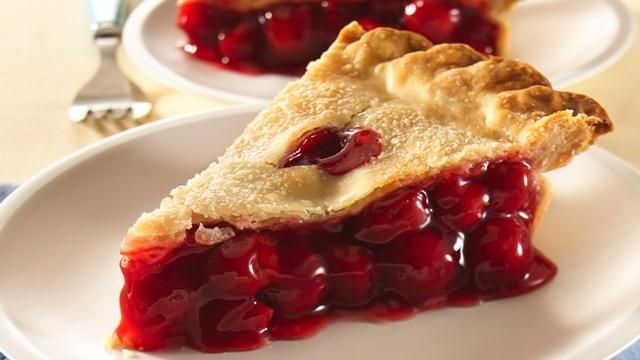
Readers of this blog are more than familiar with my love/appreciation of pie. What’s your favorite kind?
You and I are kindred spirits! Pie is one of my favorite things on the planet! Picking one is kinda like deciding which of my kids I love most, but if forced, I’d have to say cherry. Or a really deep apple. Or pumpkin. Ok, sorry…
Cherry.
There. I said it.

 Maximum Z