Knowing your nails and how to use them

Savvy and experienced consumer of literature I’m sure you are, no doubt you’re more than somewhat familiar with the classic piece For Want Of A Nail:

For want of a nail the shoe was lost.
For want of a shoe the horse was lost.
For want of a horse the rider was lost.
For want of a rider the message was lost.
For want of a message the battle was lost.
For want of a battle the kingdom was lost.
And all for the want of a horseshoe nail.

Sometimes we don’t realize how important something is that at first glance might seem completely insignificant.

The same concept could apply to screenwriting and the details of your story. A reader could see something and wonder “I don’t get it. Why is this in here?”

If you do the work and plan accordingly, the answer/reason will soon be obvious. That little detail is there for a reason, probably an important one, and without it, the rest of the story won’t work.

This is important on several levels.

It shows you put a lot of thought into putting the story together.

It shows you understand the concept of effective setups and payoffs.

It shows you respect the intelligence of your reader/audience and don’t feel the need to deliberately draw our attention to this sort of thing.

It always bothers me when a story sets something up and doesn’t pay it off, or has something later on in the story that comes out of nowhere.

Some writers go into it with a solid idea of how everything is set up and know how it’s going to play out, some come up with the bare bones of a foundation and fill in the blanks, and there are even those who sit down with a blank page, start writing, and see how it goes.

I tend to waver between the first two.

Sometimes you might even go back over what you’ve already written and discover an opportune moment to put in a small detail that can further enhance something later on in the story. It’s as if your subconscious was working in conjunction with your creativity and giving you an unexpected helping hand.

Are parts of your story set up that they start with a “nail” and escalate from there? Or does something happen later that could use a stronger setup?

You’d be surprised at seeing the ripple effect one little change can have on the rest of your script. Hopefully for the better.

A small ramification of the writers strike

I was afraid of this.

The intent was to post the Maximum Z Summer ’23 Script Showcase in 2 weeks, with an abundance of film and TV scripts for the enjoyment of all.

More than a few scripts have been sent in, but there has also been a significant number of writers contacting me saying “Normally, I’d do this in a second, but because of the writers’ strike…”

And you can probably fill in the rest.

Much as I would love to proceed with the Showcase, the last thing I want to do is make anybody feel uncomfortable about it or feel like they’re putting their potential future involvement with the WGA at risk. Myself included.

So even though it breaks my heart to do so, the Summer Showcase is on hold until further notice.

I won’t cancel it outright since there’s no idea when the strike could end.

If it does end in the near future, then I’ll weigh the options of opening it up again. If it runs longer than anticipated, the Showcase will most likely return later this year with the Autumn/Winter edition; looking at December 1st.

If you’ve already sent in your script, let me know if you want it kept on file for next time, or plan to resubmit it (or another script) at the appropriate time.

Like many other pre-WGA writers, I’m hoping to eventually be part of the organization, so I stand in solidarity with what they’re trying to accomplish. If that means not being able to do the Showcase, it’s a small price to pay.

(Illustration by James Yang)

A holiday Q & A with Heather Hughes & Kate Wharton

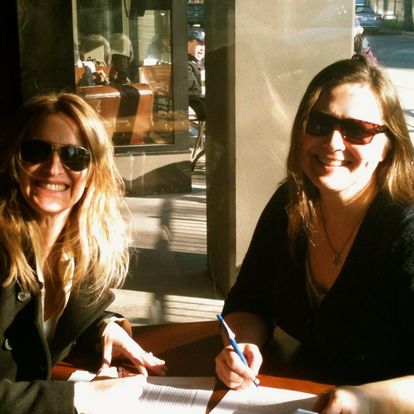
Heather Hughes and Kate Wharton have been writing together for over 12 years and worked with Disney, Hallmark, and Lifetime, as well as a plethora of indie filmmakers.

They are both graduates of the TheFilmSchool in Seattle and studied with the late, great Blake Snyder.

They are represented by The Nethercott Agency in Los Angeles.

What was the last thing you read or watched you thought was incredibly well-
written?

Heather: I thought The Queen’s Gambit was extremely well-written. The characters were very real and they avoided all tropes. I really enjoyed the mother and that character defied all my expectations. We also just rewatched Breaking Bad, which is about as far away from Hallmark movies as you can get, but genius writing.

Follow-up: a Christmas movie, TV or feature, you think is well-written.

Heather: We detail the seven sub-genres of Hallmark movies in our book and we’re huge fans of the “fake boyfriend” sub-genre, which we call “The Christmas Fake Out” or “Rent-a-Boyfriend” and thought The Mistletoe Promise (2016) was quite well done.

We also like Mary Christmas, which has one of the most satisfying and unexpected endings of any Hallmark movie ever. It’s not The Usual Suspects, but for these movies it was a shocker!

Kate: Hallmark’s The Angel Tree is very nicely done. The plot setup involves good Hallmark-appropriate conflict and there are a couple of nice plot twists. I think it’s the best of 2020’s 40 new Hallmark movies.

How did you get your starts in the industry, and how did you get into writing Christmas TV movies?  

A producer requested our screenplay, which had done well in a contest.  He routinely asks the directors of the contest to send him the winning scripts.  When we started writing together, we were advised that some screenwriting contests were a way to get noticed. That proved to be true for us. We consider Austin, the Nicholl Fellowship, PAGE, Big Break and Kairos to be some of the best contests.

You refer to these films as Cozy Christmas Romances, or CCRs. Is romance a necessary component of the story template? 

Romance is a requirement for this genre. When we first started writing these movies we assumed that any wholesome content would appeal to these networks. We spent a lot of time pitching heartwarming stories that routinely got turned down. It wasn’t until we’d been at it awhile that we realized that these scripts had to be about—to steal from the late great Blake Snyder’s Save the Cat—two people who are better together than apart AND they needed to celebrate Christmas not just take place at Christmas. Or, as one producer told us, “It needs to be about Christmas, not just set at Christmas.”

There is an abundance of CCRs on several channels and streaming services, with new ones coming out each year. To what do you attribute the popularity of the CCR? 

There are several reasons they are so popular. These movies are predictable, safe, and uncontroversial. It’s a great escape! We like to call them the mac-and-cheese of movies. They’re familiar, warm and comforting. You won’t have nightmares after watching them and you can watch them with your 92-year-old grandma and your six-year-old niece. 

When we were researching the book, we actually found that a lot of military vets enjoy watching them because they can relax knowing that they won’t encounter any disturbing content.

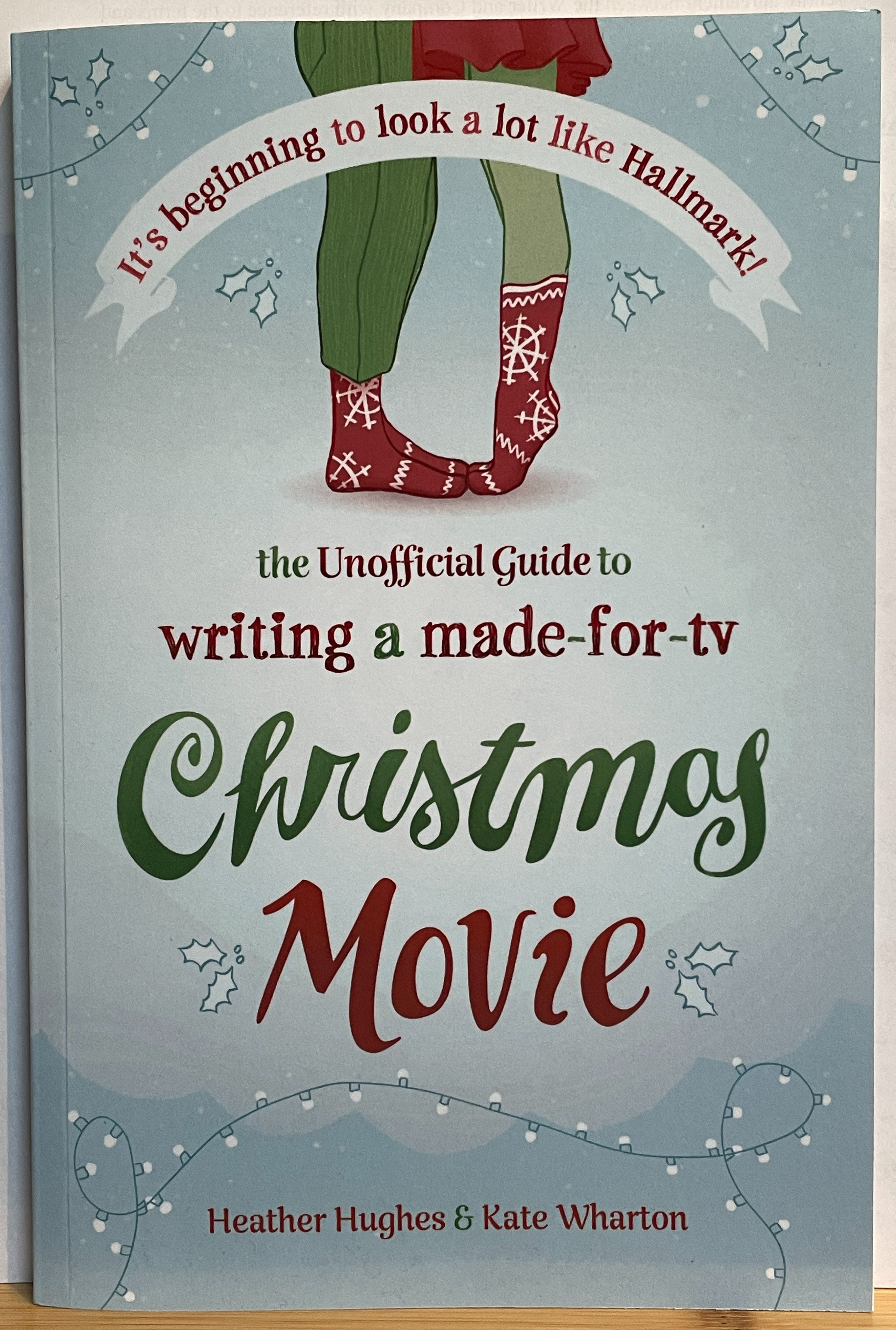
What was your inspiration behind your book IT’S BEGINNING TO LOOK A LOT LIKE HALLMARK! WRITING A MADE-FOR-TV CHRISTMAS MOVIE?

We learned these guidelines in dribs and drabs while we were working with and pitching to companies that make films for Hallmark. It would have been helpful to us if someone had written them down. For instance: we wrote a whole spec script featuring a couple in their 50s thinking it would be perfect for them. After we submitted it, we
learned the protagonist for that project needed to be 28 – yes, they actually said 28. We wish the production company had told us that at the start!

These specific guidelines change from year to year, but it’s helpful to know the basic framework for these movies.

How much research went into putting the book together? How many Christmas TV movies did you end up watching?

If you ask our husbands they would say thousands, but it was really more like hundreds. We also did extensive research with a ton of screenwriters, agents and producers. Some were eager to share, but wanted anonymity, especially when talking about money. After doing more and more interviews we began to see specific rules emerging. There are always exceptions to these rules, and we aren’t out to stifle creativity. But when we compiled our findings, we began to see them as a roadmap for writers who would like to write in this genre.

In the book, you list the 7 main types of CCRs. Obviously, that’s not all they’re limited to, but a majority tend to fall into one of those categories. If a writer comes up with something totally different from any of these but could still be considered a CCR, does that hurt their chances of getting it noticed?

We came up with the seven after watching many movies and reading all of the loglines. We’re sure there are more subgenres or ways to put these movies into buckets. We’d love to hear from your readers who identify others!

If a writer comes up with a new and original subgenre it could be great! But the companies seem to be buying similar content. If the idea strays too far from the conventions of the world (a Christmas town full of zombies, for example), it might hurt your chances of selling to Hallmark. Other networks might love it, though! 

Hallmark has honed its brand to the point where they know the 85 million viewers who tune in during November and December and what those viewers expect.

A few chapters involve the CCR beat sheet, along with filling in the blanks about the story. Some might say that there’s a certain predictability to these stories, so what advice would you give to writers striving to come up with something original?

We’ve noticed that many writers struggle with plot. They start writing with a lot of momentum, and then get stuck around page 50 because they don’t know what’s going to happen. The beat sheet is a fill-in-the-blank exercise to teach the writer a structure that is common to all these movies. If you’re great at plot without a beat sheet, then you probably won’t need this roadmap. 

These movies are intentionally predictable, but within that framework there is a lot of room for originality. If you want to write CCR movies, your original ideas will probably center on an unusual hero, and a unique romantic combination. For example: you could find a new reason the female character needs to leave the big city, an unusual job for the male character, or a unique Christmas activity to include in your montage.

You also go into “what to do after the script’s done”, i.e. queries, meetings, etc., and reference several non-professional writers who sold their scripts. While not every script is guaranteed to sell, is this something you would recommend for aspiring writers?

When you write a script, the goal is to get someone to buy it and make it into a movie—unless you want to film it yourself, which is a great option for aspiring filmmakers. After writing your script, the second hardest thing to do is to get people to read it. Our process of research and queries is a good system for getting people to read your script, regardless of your genre.

We think this is a good place for new writers who like these movies to break in simply because of the sheer number of CCRs made each year. In 2020, Hallmark made 40 new movies, Lifetime made 30 and UPtv made 5. There is never a guarantee that a script will be optioned, but there are many companies looking for content.

The two of you are about more than just writing Christmas TV movies. How can people find out more, as well as order the book?

We love teaching and writing together. Readers can contact us through our website writingtherom.com or on our Facebook page We Heart Rom Coms.  You can buy our book on Amazon, and we’d love to hear any thoughts your readers might have about it. Feel free to reach out!

Readers of this blog are more than familiar with my love/appreciation of pie. What’s your favorite kind?

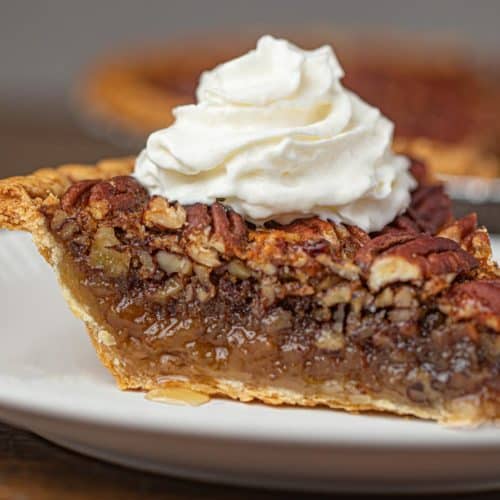
We both adore pecan pie with a ton of lightly sweetened whipped cream! No wonder we’re such great writing partners!

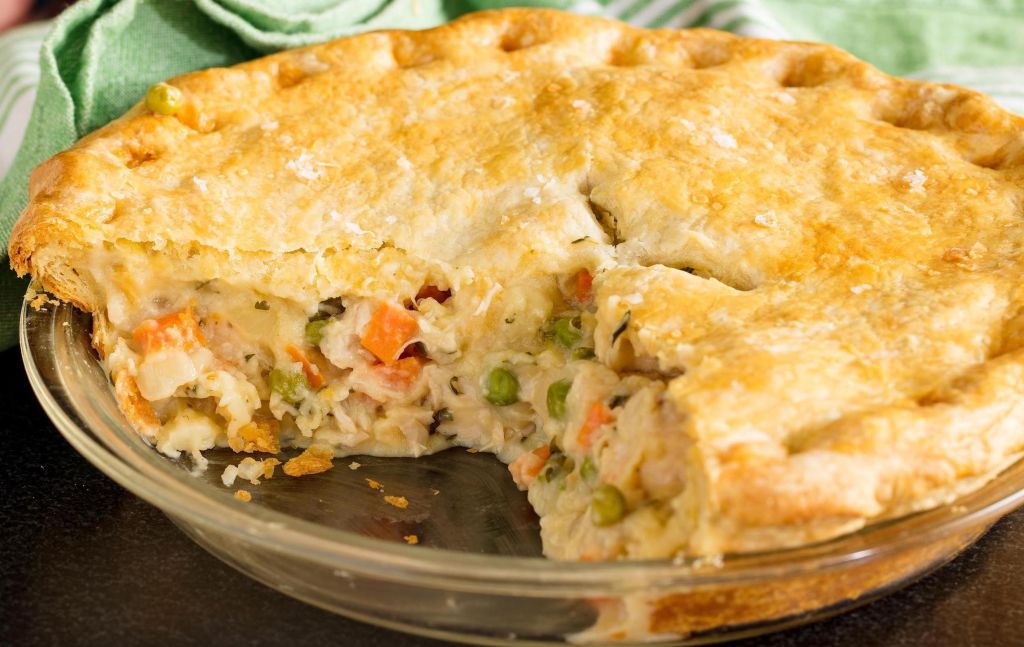
If your pie preferences run a bit more savory, we also recommend Costco chicken pot pies. They’re amazing—flaky crust, delicious chunks of chicken, and a light creamy sauce. Find them in the back, by the rotisserie chickens—It’s a cost effective, delicious meal.


Opportunity’s knockin’ once again. You ready?

A few months ago, I presented an extensive list of film & TV scripts as part of an effort to help each of those writers spread the word about their work.

It offered up an amazing assortment of scripts, and some of the writers asked if there were any plans to do it again. Which brings us to today.

A post just like the last one is in the works, and slated to go up on Oct 30. If you missed out last time, or have a new script you’d like to submit, this is your chance to be included.

Here’s how it works.

Email the following info about your script here with the subject line “Maximum Z Script Showcase”:

Film or TV

Title

Author(s)

Genre

Logline

Awards (if applicable)

Your email (in case somebody would like to contact you about reading your script)

Two very important details to keep in mind:

ONE SCRIPT PER PERSON. Sorry. No exceptions.

and

DO NOT SEND THE SCRIPT!

Submissions will be accepted until Thursday, Oct 29.

So don’t delay, send it today! Or at least reasonably soon.

Knew this wasn’t going to be easy

wile e coyote

Many, many years ago, while attending the Screenwriting Expo in the City of Angels, one of the seminars I went to featured an “industry professional” as a speaker. I put that term in quotes because I couldn’t tell you who it was or what they did. Maybe a writer-producer or something like that. It was good enough for the folks running the Expo.

There were probably 20 or 25 of us in the audience. This guy walked to the front of the room, and the first thing he said was, if you’ll pardon my paraphrasing:

“I don’t know who any of you are, how experienced you are, or how may scripts you’ve written, but I can guarantee that just about all of you will fail at this.”

Well, ain’t that an encouraging lead-in. Everything he said after that is pretty much a blur, because I found it to be…

Shocking? Most definitely.

Disheartening? Pretty much.

Accurate? Maybe. But he was speaking from his experience. No doubt he’d seen an endless stream of writers come through, give it their all, and despite their efforts, subsequently crash and burn.

It’s easy to overlook the fact that this was well before you could make a movie with your phone and a laptop. Resources and DIY filmmaking opportunities were much more limited than they are now.

His comments really struck a nerve. Is this what I, along with everybody else in the room, should think? Were we just wasting our time? Were our chances THAT small? Should we just give up and go home?

I couldn’t speak for anybody else, but I had a little more faith in myself than he did.

Like I said, I forgot everything after his opening – the sooner I got him out of my head the better – and gradually replaced it with a few thoughts of my own:

-Yes, this is a HUGE mountain to climb, let alone get to the top. Is that intimidating? Hell yes. Is it going to stop me from trying? Hell no. Much as it sucks, it’s better to try and fail than to give up entirely, so I’ll keep trying. As long as it takes.

I’ve said it before, and I’ll continue to do so: I really like doing this, and even though I’ve endured my fair share of disappointments, I keep going – because I like the process of writing.

It’s taken me a long time to develop my skills just to get to this level, and I know there’s  room to keep improving. The challenge to myself and my writing abilities is one most welcome.

-Do I have a chance of eventually being able to call myself a professional writer? Hard to say. Some might say I already am, but that might be an individual matter of perspective. For me, until I see my name onscreen accompanied by “Story By…” or “Screenplay By…”, it doesn’t apply. my efforts will continue undaunted, unabated and undeterred.

Count me among the writers who are content to just be working. Sure, a huge paycheck would be great, but I’m also cool with writing a low-budget horror, or taking on an assignment, or doing an uncredited rewrite. IT’S ALL ABOUT THE WORK. The more I get to do it, the more I’ll enjoy it.

-For a long time, it was always “I need to find that somebody who says ‘yes’; somebody to open that door for me”, and to a certain extent, that still rings true. Getting representation, meeting with REAL industry people, and so forth.

But in the meantime, there’s absolutely nothing stopping me from making my own stuff. For the past few months, I’ve been dabbling with writing short scripts. Five to 10 pages, a handful of characters, one to two locations. Something that presents not only my writing skills, but also that I know how to tell a story in the most visual way possible.

Added bonus – a ridiculously short production time. It could be made over a few days (or a long weekend) with a minimal crew.

Feedback and notes from writing colleagues who’ve also made their own short films have been helpful and encouraging.

All of this, of course, will be a little more feasible once society slowly returns to “normal”. Until then, I’ve got plenty of time to prepare. Why not start creating our own opportunities?

-As much as I dream about all of these great things happening, I’m also a realist. I know that the journey to achieve this kind of success is a very, very long and tortuous one. Disappointment abounds.

I’ve no intention of giving up, no matter how frustrating things get. And there will be A LOT of frustration.

This is what I want to do, and despite all the negatives, I still enjoy doing it.

Thus the soldiering forward continues. Shoulder to the grindstone and all that…