Another trove of more treasures

As the lockdown continues, here are some works of your fellow creatives to help you pass the time – plus an informative opportunity for aspiring TV and webseries writers. Take a gander at the offerings below.

The Arab Messiah

Jeff Naparstek

Book [via Kindle]

Historical Fiction

A young woman on an archaeological expedition brings the past back to life with the resurrection of an ancient Pharaoh.

Into the Black, A Sci-Fi Mystery (Janey McCallister Mystery, Book 1)

Beth Barany

Book

Sci-Fi Mystery

Anything goes at Bijoux de L’Étoile space station casino—until theft turns to murder and first-time lead investigator Janey McCallister must find the killer before he escapes into the black.

Page Turner Awards eBook Finalist

The Joy of Self-Publishing 101 Kept Secrets

Diana Mugano

Book [paperback & Kindle]

Inspirational

If you need reasons why you should publish your book look no further. This book will answer your questions. All the best on your journey of publishing a book! And do not forget life always offers maybe even when you cannot clearly see the possibilities in front of you, keep your writing alive!

Liam McPhee and The Thief of Laughter

Marlena Evangeline

Book

Young Adult Fantasy

The rugged shores of Scotland in the 1800s, with its highlands and heaths serve as a backdrop for the inviting faerie-tale like story of Liam McPhee, an eleven year old hero that faces an array of almost insurmountable challenges in a young adult fantasy designed to attract all ages of readers.

liammcphee.com

The book comes out on Nov 1, so here’s a link for preordering.

Wedgie & Gizmo

Suzanne Selfors

Book

Middle Grade

The story of a blended family, as told from the alternating and singularly distinctive voices of the family pets: a deluded evil genius guinea pig named GIZMO, and his happy-go-lucky rival, an equally deluded Welsh Corgi called WEDGIE.

Amazon Best Book of the Month

Kinsane Entertainment

Webinar for TV writers – TV and Web Series Creators

Terry McFadden

Your written pitch document is usually the deciding factor that determines if your show will be bought. How is yours fresh, different, comprehensive and most of all you? Details in the link.   https://scriptwritersnetwork.com/events/pitching-you-in-your-written-pitch-document-for-tv/

Calling all creatives!

Since it worked so well a few months ago, I thought it would be nice to once again offer creators (which includes writers, filmmakers, artists, and so forth) the chance to present their materials to as wide an audience as I can provide.

The master list will be posted on Friday, October 2nd – ONLY ONE LISTING PER PERSON!

And with the holiday season just around the corner, what better gift to give than something that helps support your fellow creatives?

So if you’ve got a book, a film, a webseries, a comic or webcomic, or pretty much any other kind of finished and ready-for-public-consumption product, this is your chance to put the word out.

If you and your project were among those listed last time, you’re more than welcome to be included again, but it would also be great to see some new material added into the mix.

And for all the screenwriters wondering when it’s their turn, a post that’s all about scripts will be taking place in late October or early November, so keep an eye out for that announcement in a few weeks.

Here’s how it works:

Email the following info with the subject Maximum Z Creative Project Post to paul.zeidman@gmail.com

Title of your work

Your name

Format (book, film, etc)

Genre

Logline

Awards (if applicable)

A link where people can access this material, and/or to your website (if applicable)

Any questions? Let me know.

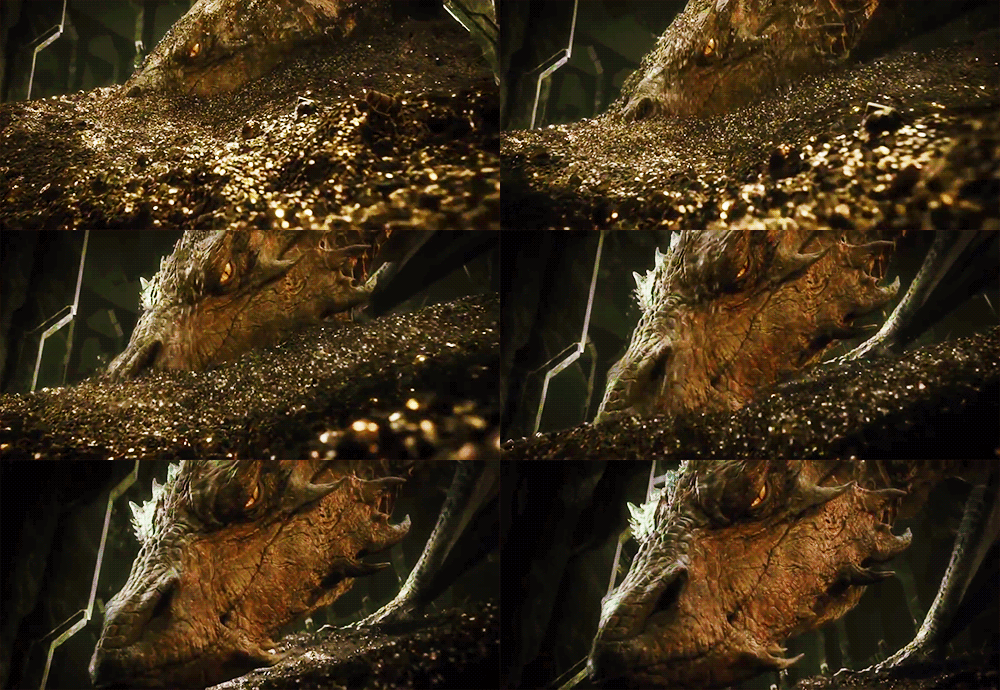
A treasure trove of creative riches

smaug gif

With sheltering-in-place still a thing, this is a great opportunity to discover and enjoy some amazing works across a wide spectrum of mediums.

Settle in and take a look. There’s a lot to choose from today.

Added bonus – several of the featured creators have also been interviewed on this very blog, so a link to each of their Q&As is also provided.

Enjoy!

Marilyn Anderson
How To Live Like A Millionaire When You’re A Million Short – book
https://www.amazon.com/Live-MILLIONAIRE-Youre-Million-Short-ebook/dp/B06XWZFNRY/ref=cm_cr_arp_d_product_top?ie=UTF8&fbclid=IwAR3GqZdJFtV8ftEqH6V3pc2NxpxJCS7TwWZSHaSPOS4P8TnlRF-jMGSh7so
AND
How To Beat A Bully – film
https://www.amazon.com/How-Beat-Bully-Pearce-Joza/dp/B016DMY16M?fbclid=IwAR0ery6kikBDlZDwfGXV62WGIVIc05lkAcq-1T0c6DiSwLaysHia9n5RhqQ

Steve Altes
Geeks & Greeks – graphic novel
https://www.amazon.com/Geeks-Greeks-Steve-Altes/dp/0996350446/?fbclid=IwAR2kgIue5ev9gE86QyOsUdTH6bIjZ07JyQpV2mnYEBF8tJT0N41jptpzdEU

Tracee Beebe
The Rise & Shine Show – motivational live video feed
https://www.facebook.com/RiseShineMorningShow/?hc_location=ufi

Q & A with Tracee Beebe

Gregory Blair
The Ritual (Part 1) – book
https://www.amazon.com/gp/product/B005955G1Y?fbclid=IwAR0stm9XLgcs_m6yfHJVNnSZ2lskN3ICM8yAqTbXYuI7apD2NSlHHJz1pUg

Lois Buchter
Gerti’s War: A Journal of Life Inside the Wehrmacht – book
https://www.amazon.com/Gertis-War-Journal-Inside-Wehrmacht/dp/0997510846/ref=sr_1_1?dchild=1&keywords=gerti%27s%20war&qid=1590531435&sr=8-1&fbclid=IwAR2wGp8aRp4s2ZSPbiJya7WLpIb1H0nr3Cdze50a9kbADgxhpae7sFxnnMw

Geoffrey Calhoun
The Guide For Every Screenwriter: From Synopsis to Subplots: The Secrets of Screenwriting Revealed
https://www.amazon.com/Guide-Every-Screenwriter-Synopsis-Screenwriting-ebook/dp/B07R92L1N1/ref=sr_1_1?dchild=1&keywords=geoffrey+calhoun&qid=1590599973&sr=8-1

Q & A with Geoffrey Calhoun and one about the book

Howard Casner
The Starving Artists and Other Stories: Nine stories of sci-fi and the supernatural – book
https://www.amazon.com/dp/B07FS91CKJ?fbclid=IwAR1LKXLOuZ61r0wB2vl3N2RGO1qg4j4-CUTjJ_Pr3pUvaIiQNzIJbEHrkP4
AND
The Five Corporations And One True Church – book
https://www.amazon.com/dp/B07KY5Z3CF?fbclid=IwAR1v1XvJ6ZeVv79i66EtG6lNOfutzAgMY_LkYM5OkZCQkGk3zPpjofuq3Hs

Q & A with Howard Casner

Steve Cleary
ManHeat – microbudget webseries
A screenwriter takes his filmmaking career into his own hands and started a microseries about action film cliches that’s seen a steady increase in production values
https://www.facebook.com/storbangfanpage/playlist/2385554318362169/

Brian Fitzpatrick
Mechcraft – YA book
Sci-fi nanotech thriller – “The Matrix meets Harry Potter”
https://www.amazon.com/dp/B079HTG6C6?fbclid=IwAR1ElBGEPvlJ8y_s9GQaO501D9WTlUoENm8Nwews3zW0XXMo5IiLTY4mJR0

Clint Ford
Cope – book
https://www.amazon.com/dp/149433111X/ref=cm_sw_r_em_apa_i_7deZEbAMMETKD?fbclid=IwAR3_0IrhUFAarQyE1h9gdJF6jg97J4iS2-Urrwip1Z-nsDmh5jOxOnQWk7Y

Jimmy George, Jamie Nash & Bob Rose
Writers/Blockbusters – screenwriting podcast
Examining blockbuster films through the lens of writing
https://thundergrunt.com/category/writersblockbusters/

Q & A with Jimmy George

Randy Gordon-Gaticahttps://www.instagram.com/rggatica/
The Magic Bomb – film
https://vimeo.com/ondemand/themagicbomb

Jay Harez
Collection of horror and thriller books
https://www.smashwords.com/profile/view/jayharez?fbclid=IwAR0yuD_-jYBdbe01lUOaR2Icm28fJk8IVIHbrXxvqYIazgTgkT1PBMBSVsE

Phil Hawkins
Star Wars: Origins – short film
A critically acclaimed fanfilm that combines the worlds of Star Wars and Indiana Jones. The saga we know, the origins we don’t.
https://www.youtube.com/watch?v=SVSox0qApO4&feature=youtu.be

Jason Henderson
Young Captain Nemo book series
Jason recently signed a deal with Kinsane Entertainment to develop the books as an animated series, mobile games, consumer products and more for worldwide release.
Young Captain Nemo
https://www.amazon.com/Young-Captain-Nemo-Jason-Henderson/dp/1250173221/ref=sr_1_1crid=2M2M8J5BQYIQJ&dchild=1&keywords=young+captain+nemo&qid=1590698680&sprefix=yougn+captain%2Caps%2C200&sr=8-1
Quest For The Nautilus: Young Captain Nemo
https://www.amazon.com/Quest-Nautilus-Young-Captain-Nemo/dp/1250173248/ref=sr_1_2 crid=2M2M8J5BQYIQJ&dchild=1&keywords=young+captain+nemo&qid=1590699109&sprefix=yougn+captain%2Caps%2C200&sr=8-2

Brannon Hollingsworth
Silent Night, Lady White (Wyrdwar) – book
https://www.amazon.com/Silent-Night-Lady-White-Wyrdwar-ebook/dp/B0834GRN3L/

Ann Kimbrough
The 100 Script Challenge Journal: A Journal for Screenwriters
https://www.amazon.com/dp/153708318X/ref=cm_sw_r_em_apa_i_vYlZEbWAMCB9M?fbclid=IwAR0wRXKP2b5DoFHKPFHAF6dLOdnjzn_uYrCu3e_PzpHeTC4OpWOboIss0lE

Q & A with Ann Kimbrough (and her equally amazing writing partner James Moorer)

David Lake
Tears of Glass – thriller novel
https://www.amazon.com/dp/B01CHTF3HQ

Tracy Stone Lawson
Counteract: A YA Dystopia Thriller (The Resistance Series Book 1)
(first volume is a free download; whole series of 4 for $2.97)
https://www.amazon.com/dp/B07J5NS9F5/ref=nodl_?fbclid=IwAR3NeRR0-3Z_73bWfEg98qiWbtQQbzhVol9V_KVlSRhMrEMXnZaY4hEz6FU

Chris Mancini & Fernando Pinto
Rise of the Kung-Fu Dragon Master – graphic novel crowdfunding project
https://www.kickstarter.com/projects/whitecatent/new-2020-rise-of-the-kung-fu-dragon-master-vol-1/description

Q & A with Chris Mancini

Ellen Matzer
Nurses on the Inside: Stories of the HIV/AIDS Epidemic in NYC
https://www.kirkusreviews.com/book-reviews/ellen-matzer/nurses-on-the-inside-stories-of-the-hivaids-epidem/

Alicia McClendon
Wing Chun – short film
https://www.youtube.com/watch?v=bt228HohbOE&feature=youtu.be

Sean McDonough
Collection of horror books
https://www.amazon.com/Sean-McDonough/e/B07SJWGX6M/ref=dp_byline_cont_ebooks_1?fbclid=IwAR3d5kRzKL9kjwaiBd0CDiDJ4UfshxGbtCRBqQXuhDjjGX1Xjj6lJeBj1MY

Jim Mercurio
The Craft of Scene Writing: Beat by Beat to a Better Script – screenwriting
https://www.amazon.com/Craft-Scene-Writing-Better-Script/dp/1610353307/?fbclid=IwAR0wRXKP2b5DoFHKPFHAF6dLOdnjzn_uYrCu3e_PzpHeTC4OpWOboIss0lE

Q & A with Jim Mercurio and one about the book 

Josh Mitchell
Stand By Me (Revisited) – song
https://soundcloud.com/mitchwickid/stand-by-me-revisited?fbclid=IwAR01kCtiU359sQZJ7mevOhf9gDgiKy3LTjlthm0-J7foXkB57Cw_pImDM6w

M. J. Moore
Mario Puzo: An American Writer’s Quest – biography
https://www.kirkusreviews.com/book-reviews/mj-moore/mario-puzo/
https://www.amazon.com/Mario-Puzo-American-Writers-Quest/dp/1942762631?fbclid=IwAR1aTbdr7QqF6tE3tMb6tyuZ4gCXhZXWZ7yws1eWc39abQ8M9TLvusjY0Cc

Annie Morgan
Complicated: The Zephyr Collection: Book One
https://smile.amazon.com/dp/1393683932/?fbclid=IwAR2-6ILJb6VxvMg-JhH9xbkUeIJoZeELcMQ25d2vVHLhoyTJnr8oI9IJgDw

Jeff Neparstek
Borrowed Time – book
https://www.amazon.com/Borrowed-Time-Jeff-Naparstek-ebook/dp/B01AA9KDZW/ref=sr_1_2?ie=UTF8&qid=1484175499&sr=8-2&keywords=Jeff%20Naparstek&fbclid=IwAR2n5iYy9jsgCDAi2ZjVcuKX1DUWddeVjJT6Z4OO5RxeStWN-KAVku2lA9k
AND
The Arab Messiah – book
https://www.amazon.com/Arab-Messiah-Jeff-Naparstek-ebook/dp/B01AAOHW5Q/ref=sr_1_1?ie=UTF8&qid=1484175499&sr=8-1&keywords=Jeff%20Naparstek&fbclid=IwAR3UtO0g6kI68nh4sqU1a7VFjIFMqmQw5SLeWX-TojJyv_8WCfXM-XvvnmI

Robert People
A Walk On Mars – book
https://www.amazon.com/dp/1466458313?fbclid=IwAR3WFOvITpvhcAugwPXAx5hrYbXgFe1kQSoVDo4OLkWVnfo2_Ww0SVx2yxk
A Walk On Mars 2: Overtime – book
https://www.amazon.com/dp/1470187388?fbclid=IwAR0u-7rltbLP6m_KLG65GPU6ggiSuM_h6ta98qbanujKCbt43iCJtENFd8A
Blowing Through The Jasmine – book
https://www.amazon.com/dp/148184573X?fbclid=IwAR12lBLXqWjL6W5aiz50UsMuwj9Gcexmmwz_vGdyPT_-nny6knTnAB1MHyY
Sellout– book
https://www.amazon.com/dp/1729732372?fbclid=IwAR3JAT2k6n-HyUzByFIanRdeJL2mBRuy-hwZwTuDm06x2VEU-QDRs7POCyA
Sold Out – book
https://www.amazon.com/dp/109928533X?fbclid=IwAR293eZo5oayPWXzo6DQjg7qZeCZTjZW_ZNgUnSnT0ZH1KGvfhxcewS4CYE
The Basics (And A Little More) Of Writing A Book
https://www.amazon.com/dp/B08924GD52?fbclid=IwAR3ZLgCHR0u7VAiVA5j5GcdgZ_iOIlrQneZWCL7JV82xEsV_d1G7xQUGU9I

Jackie Perez
Beachworld – sci-fi/horror short film – authorized adaptation of Stephen King short story of the same name
“Stranded crew on an alien planet covered in dunes. Locating their ship’s emergency beacon is their only hope, but when a salvage crew answers their distress signal, it’s already too late.”
https://www.youtube.com/watch?v=wd7HeWs0jVQ&feature=youtu.be

Hudson Phillips
After The Fall: A post-apocalyptic anthology inspired by the universe of This World Alone – book
https://www.amazon.com/After-Fall-post-apocalyptic-anthology-inspired/dp/B088VR6L87/ref=as_li_ss_tl?_encoding=UTF8&psc=1&refRID=FNT09EKN4KWMYMRJPGPH&fbclid=IwAR2vHP5fmHHhEZt3U2F9tC2484s-BcFK84cVS7XmS2w95cx54y3mN6utYSU&linkCode=sl1&tag=styocaus0e-20&linkId=b93767ca505cf1c60c046621718768f7&language=en_US

Dr. Sapna Ramnani
Lockdown – a documentary in pre-production seeking contributors
https://eu.jotform.com/form/200975116787060

Renfield Rasputin
In Defense Of Our Good Name – short story
https://www.amazon.com/dp/B07CMMFKYW/ref=cm_sw_r_apa_i_rhbZEb3840CS1?fbclid=IwAR1x29n6ly37Yuvu4Egtx5pkYAO2Gkx7Clhjksn8-SMWwsSQmxdUesRDDDA

Bob Saenz
That’s Not The Way It Works: A no-nonsense guide to the craft and business of screenwriting
https://www.amazon.com/Thats-Not-Way-Works-screenwriting/dp/1734347910/ref=tmm_pap_swatch_0?_encoding=UTF8&qid=1575403713&sr=8-1&fbclid=IwAR0TRWlRzoxneFNgyuP22hqJRBeErgHy0fvpG6UqqnWE5hYe-W-A6niDbf0

Q & A with Bob Saenz

Roman Scott
Tone Poems and Nightmare Fuel – blog
https://tonepoemsandnightmarefuel.wordpress.com/

Travis Seppala
365: A Year of Screenwriting Tips
https://www.amazon.com/365-Year-Screenwriting-Travis-Seppala/dp/1725810972/ref=sr_1_1?crid=3AY6WYU9SKJLD&dchild=1&keywords=travis+seppala&qid=1590599648&sprefix=TRAVIS+SEPPALA%2Caps%2C205&sr=8-1

Q & A with Travis Seppala

Justin Sloan
Prime Evil
https://www.amazon.com/Prime-Evil-Justin-Sloan-ebook/dp/B087YKY5SV?fbclid=IwAR1l64MgNO_FOWlka2K2CEeF1rAsrp51LYvUvBq-gODBKXC2Ac92-d_XgYQ

Karelynn A. Spacek
Queen of Swords (A Stone Wielder’s Legacy Trilogy) – book
An epic journey revolving around a sunken island, and a new queen that prefers archery over politics.
https://www.amazon.com/Queen-Swords-Wielders-Legacy-Trilogy/dp/B086Y3ZWQF/ref=mp_s_a_1_1?dchild=1&keywords=9798630009722&linkCode=qs&qid=1589933088&s=books&sr=1-1

Dan Stout
The Carter Archives – book
https://www.penguinrandomhouse.com/series/3CA/the-carter-archives/?fbclid=IwAR2iisl3XP2kXPH1R4PXHe2LZfY21ORydTdLRbiIPf7MoDH7MkbxdjKDyRE

Chip Street
Rocket Summer – novel
https://www.amazon.com/dp/1480202622?fbclid=IwAR2i4B62oDUO-dCGkIPCk9Z4jPbYEJVfBcrsncvMCaS7OJR80x7Pv0P3Bg4
AND
21 Things You Need to Know About Screenplay Options: The Indie Screenwriter’s Guide to Protecting Yourself and Getting the Best Deal
https://www.amazon.com/Things-Need-About-Screenplay-Options-ebook/dp/B07J1L5QLB/ref=redir_mobile_desktop?ie=UTF8&fbclid=IwAR0TRWlRzoxneFNgyuP22hqJRBeErgHy0fvpG6UqqnWE5hYe-W-A6niDbf0

Timothy Trimblewww.timothytrimble.com
Air Born: Do You Dream of Flying? – book
https://www.amazon.com/dp/1536873292

Phyllis K. Twombly
The Martian Symbiont series
Been Blued – book 1
https://www.iuniverse.com/en/bookstore/bookdetails/139113-Been-Blued
Martian Blues – book 2
https://www.iuniverse.com/en/bookstore/bookdetails/139112-Martian-Blues
Martian Divides – book 3
https://www.iuniverse.com/en/bookstore/bookdetails/146298-Martian-Divides

Larry Whatcott
Telepath – short film
https://vimeo.com/8395049?fbclid=IwAR2CLjjoaOjNNUf2pHM40_Rli8QPHr7Kx0njq7AkT7f6i97gt6SfTW942u0

Allison Chaney Whitmore
Forgot Me Not – book
https://www.amazon.com/Forget-Me-Not-Allison-Whitmore-ebook/dp/B01GL04FJO?fbclid=IwAR34qN_nGlFRQGh2nlX0ywzV0-jruUSPGyYvaoW16Tm3FQC8vSrO8ScFagg

Q & A with Alison Chaney Whitmore

Q & A with Jeff Kitchen

072701AE-A653-4698-80FD-A2D6D67C3CE5

kitchen book 2

Jeff Kitchen was classically trained in playwriting technique, specializing in the work of the groundbreaking Broadway script doctor William Thompson Price.

Jeff worked as a dramaturg in the New York theater, Playwrights Preview Productions (now Urban Stages) and taught playwriting on Broadway at the Negro Ensemble Company. He then started teaching screenwriting and has taught for over twenty years in small high-intensity hands-on groups.

He teaches the craft of the dramatist, advanced structural technique, the core of dramatic action, script analysis, and plot construction. Jeff is a sought-after script doctor, plot construction specialist, and rewrite consultant.

He has taught his techniques to development execs from all the major Hollywood studios and they consistently say that he teaches the most advanced development tools in the industry.

One of his students, Ted Melfi, was recently nominated for Best Picture and Best Adapted Screenplay Academy Awards for his film about the black women mathematicians at NASA, Hidden Figures.

Jeff is the author of the book, Writing a Great Movie: Key Tools for Successful Screenwriting. Jeff is now doing high-intensity training programs for professional scriptwriters as well as script consulting.

What’s the last thing you read or watched that you thought was incredibly well-written?

Narcos: Mexico on Netflix. It was so gripping, so watchable. Hard to believe it was true. I kept telling my wife how great it is, and said to her several times I thought it was better than The Godfather. They move through so much story in just two seasons, with so much intensity and depth, great casting and acting, great writing, and so much material to weave together. The corruption makes your blood boil; the loss, the genius, the brutality, the nobility, the adventure, the chess game, the betrayal, the power and murder and love and ambition, and the pure history—there’s so much going on and it’s so compelling.

How’d you get your start in the industry?

I was mostly self-taught. A friend who was a playwright taught me the basics of Aristotle and gave me two old obscure books on playwriting to read. They were quite fascinating and very difficult, but I spent three years studying them intensely. The guy who wrote one of them, William Thompson Price, was a pioneering Broadway script doctor for top producers pre-1920 and he founded the first school of playwriting ever in the history of the world. Twenty-four of his twenty-eight students had hits on Broadway.

Price created several seriously groundbreaking tools for the dramatist and I emerged with a mastery of what he created, then improved on them and taught these tools nonstop for twenty years. People kept saying they’d never seen anything like what I taught and said they worked better than anything they’d seen. I trained development execs at all the major Hollywood studios and they consistently said I taught the most advanced development tools in the industry. So I found these old tools and ideas for tools, and studied them like crazy, then synthesized them into their current form. I taught and consulted with them for years, and got deeply experienced with them from working hands-on with them on thousands of students’ works in progress.

What do you consider the components of a good script?

The short answer to that question is my 352-page book, Writing a Great Movie. Of course I can say something in a paragraph or two, but a proper answer can go deep and wide and long. A great premise, first of all, because if your raw idea sucks, then no amount of structure or character or storytelling elbow grease will get that clunker up in the air as a commercially viable project. In the industry, it’s called Polishing a Turd. I always say well-structured crap is still crap. So start with a great idea.

Also crucial is a good strong Dilemma of Magnitude for the protagonist, but it’s not easy in such a brief format to properly communicate how to make that one dilemma occupy the full proportion of the script, build to a Crisis, force Decision and Action in the face of crisis, and then conclude with the protagonist’s active Resolution of the dilemma. The way in which the protagonist resolves the dilemma expresses the Theme, and it’s crucial to have a solid sense of theme as you build your story. You need distinct characters who are deep and complex and colorful in various ways, and who are deeply flawed, contradictory and universal.

You need attack as a storyteller, so you’re not making safe, cliché, or stock choices. Your script must be actable and it has to be stageworthy. The action of the story must move ahead aggressively, with nothing unnecessary bogging it down. It needs good cause and effect, escalating conflict, structural unity, dramatic action, and so much more. But mostly, it has to hit the audience where they live. If it doesn’t connect to the audience, then it’s not compelling.

What are some of the most common screenwriting mistakes you see?

Weak ideas, lack of imagination, lack of attack, poor execution, poor structure, lazy storytelling, stale characters, lack of depth, lack of color, overwriting, over-describing, overbearing, too much exposition, attempting to dictate an emotional response rather than earning it, lack of empathy for the main characters, underpowered ending, doesn’t pass the So What? test, crappy dialog, boring, derivative, packs no punch, uneven tone, peters out, holes in the story’s logic, lack of conflict, no clear goal for the protagonist, stupid, a simple plot vs a complex plot, episodic, formulaic, wooden characters, preachy, predictable, miserable writing skills, lack of follow-through, writing not cinematic, story not commercially viable, no sense of vision, no entertainment value, flat dramatically, lack of magnitude.

Just to name a few.

What story tropes are you just tired of seeing?

I’m not sure how many more serial killers I want to read about, or how many more procedurals, or special forces dudes, or nuclear annihilation. They can all get tiresome, but it obviously has to do with the execution, because each of them can kick serious ass when done well. But I think that things like a serial killer can be just a cardboard prop or a vastly overused excuse to write something brutal and adventurous for people who can’t or won’t do the work to go deeper and find a freakier way to mess with people’s heads.

Watch a movie like Bad Boy Bubby or Bad Lieutenant with Harvey Keitel to see something fresh and wacko. People sleepwalk through the writing process sometimes, and it’s tedious because so many people are out there writing the same warmed-over tales. There’s probably room for a story about a serial killer who kills writers who are writing about serial killers.

What are some key rules/guidelines every writer should know?

Shake things up. You’re a writer. Do something to me, mess with my head, defy my expectations, violate my sense of how a story should go. Tell a story that really tweaks me, that seriously makes me care, that grabs me by the throat and makes me notice. Make me fall in love, or go through something unimaginable, or face death, or embrace life—but do it full tilt and do it well. I don’t need the same old tired stories coming at me all day long. I’m looking for adventure, depth, love, heartbreak, power, in any genre.

Make the overall structure for your story work first. If it does not, then the details do not matter. A beautifully written scene in a script that doesn’t work is meaningless. It’s like having an ornately finished room in a house that’s falling down. Learn to work from the general to the particular. Make the overall story work, then make each act work, then each sequence, and then each scene. You gradually develop and dramatize your work as you build it.

Learn to separate the Necessary from the Unnecessary. The work of the amateur is characterized by the Unnecessary. Dialogue and description are overwritten, scenes may not be needed, whole sequences may only be dead weight, sometimes an entire act can end up being unnecessary, and in fact your entire script may be unnecessary. Which may sound funny, but it’s not. The Unnecessary kills scripts. Most scripts are unreadable—and that means 98% of them—UN-READ-ABLE. Atrocious. And in many instances, the Unnecessary plays a major part in how unreadable it is. Clean, crisp cause and effect separates the Necessary from the Unnecessary, and moves the action of the story ahead crisply and cleanly.

Master the craft of the dramatist. Dramatic writing is generally considered the most elusive of all the literary disciplines. It’s tricky, it’s slippery, it’s hard to pin down, hard to predict, and hard to diagnose or cure. But the more craft you’ve got, the more mastery you have in addressing every type of problem. People forget that scriptwriting is a performance medium—intended to be acted out in front of an audience in such a way that it’s gripping. So take the time to really learn your craft, to master it. Because almost doesn’t count, and people don’t want to read scripts that could have been good but the writer didn’t have the chops to make it work.

Take the time to build or discover deep, complex, dynamic, unpredictable, flawed, dimensional characters. Explore the Enneagram (EnneagramInstitute.com is a great resource) for each of your main characters because it’s such a remarkably powerful resource. A mixture of ancient wisdom about human nature and cutting-edge psychology, it purports that there are nine basic personality types, and each of these types has a healthy aspect, an average aspect, and unhealthy aspects. This helps you go deep and complex, to develop substantial flaws, hidden strengths, the mechanics of failure, a path to greatness, and complex, sophisticated human emotional reality.

What was the inspiration/motivation for your book Writing A Great Movie?

I wanted to get down on paper the know-how I’d accrued from teaching non-stop for eighteen years while it was still white hot. I had always taught small hands-on classes, maximum six people, and each person had to bring a script idea with them to develop so I could really get them using the tools. This helped them not only learn how to use the tools, but their scripts improved so much in the process that word of mouth on my classes was through the roof. I never taught large groups because the material was too complex. I knew that if I just talked at people about sophisticated techniques without showing them how to really use the tools that it would be mostly useless, because they couldn’t go home and use it to build their own script.

But when they started doing a big Screenwriter’s Expo in LA, they dragged me into teaching 150 people at a time. And there were riots outside my classroom of people trying to get in, so I realized that with this many people having heard about my training, it was time to write my book. So I cranked one out and self-published it by the next year’s Expo and sold a lot of them. I shopped that version and it got me a lit agent in New York who got me a publishing deal at Watson Guptill where two phenomenal editors helped bring out the best in my writing.

There are a lot of screenwriting books out there. What about this one makes it unique?

Not only are the tools unique, unusual and powerful, but I worked hard to emulate the hands-on aspect of my small classes in which I worked with each participant on their script as I explained the tools. So I explain, illustrate, and demonstrate each of seven tools in the first half of the book, and then I build a real script from scratch in the second half of the book, using all the tools. I start with a one-line idea and build the whole script, demonstrating the full use of the tools as I utilize them to create, develop, structure and write it.

Because I was rewriting the self-published edition, my editor wanted to clean up the second half of the book. I argued, saying that it had to remain unvarnished because the process of using these tools to create from scratch is necessarily messy. I needed it to remain fumbling and exploratory and rough, because cobbling a story together and dramatizing it is like feeling your way along in the dark. And I wanted to show them the raw reality, not the cleaned-up varnished version.

In the introduction to part two, I say that the first half of the book is as different from the second half as training in medical school is from working in an Emergency Room, or as studying a bear in the zoo is from wrestling one in the wilderness. I jump from tool to tool bootstrapping the story into existence, using Dilemma, the Enneagram, the 36 Dramatic Situations, Crisis, Theme, Research and Brainstorming all at the same time. And then I put the story through two structural tools, the Central Proposition and Sequence, Proposition, Plot, which help dramatize the narrative, strip out everything that’s unnecessary to the forward action of the story, and create consistent, coherent, compelling Dramatic Action.

I build the whole script with my readers looking over my shoulder, and I think it did a good job of showing the tools in action in order to give the reader genuine know-how and experience in utilizing the tools.

How do you feel about screenwriting contests? Worth it or not?

The top five or ten are definitely worth it and have launched many careers. I myself wouldn’t bother with many others, but it totally depends on what you’re up to as a writer. If you just want to put your stuff out there to see what people think of it, then you can use it as a learning opportunity. But you can also just hire somebody to give you notes on your script and that might give you more specific feedback. But there are books and websites that can help you sort the contests for value, and people who know everything about them, and they’re definitely worth taking a look at as part of a career strategy.

How can people find out more about you and the services you provide?

My website is BuildYourScript.com and I can be contacted through there or directly at jeffkitchen88@gmail.com. I offer a free class on Reverse Cause and Effect at my site. This is a powerful class that shows how to take a story you’ve roughed out and work backward from the ending, chaining backward from each effect to its cause. This enables you to stitch together the main building blocks of your story, and then to gradually flesh out the details as they become necessary. I demonstrate the process in action by working on a real script.

There’s also a paid class on a remarkably powerful plot construction tool called Sequence, Proposition, Plot which is a groundbreaking way to structure and develop your script, working from the big picture down to the details. I do consults on scripts as well as private classes on technique. One of the coolest things I do is to help people build their script from scratch, or to work with them rebuilding it once they’ve gotten a script up and running.

I’m about to roll out a high-intensity training program for scriptwriters that I’m really excited about. It’s an online immersion program in which I train apprentices for a year as we work together building multiple scripts. We’ll work two hours a day, plus one hour of homework, five days a week. In what’s called a Community of Practice, I communicate know-how through using the tools to build real scripts on the spot, and I also have students do extensive drills and rigorous exercises, handling the tools, practicing them over and over, and learning to think in that language until it all becomes second nature.

This type of learning process is called Cognitive Apprenticeship, in which writers work hand-in-glove with me to learn how to think like me. I communicate both explicit knowledge and the more ambiguous but crucial tacit knowledge, that feel for things which is indispensable for full expertise. This will be a high-intensity program, similar to a trade school, followed by a year in which I work with these highly-trained writers on building their own scripts. They will emerge as trained dramatists with key skills and experience, who can forge a career as working writers.

Readers of this blog are more than familiar with my love/appreciation of pie. What’s your favorite kind?

It’s hard to pick, but right now I’d have to go with cherry.
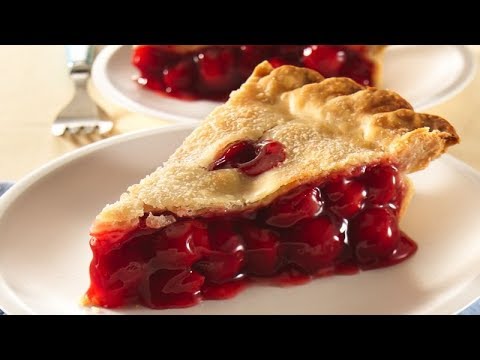
cherry pie 2

Q & A with Jim Vines

Jim Vines

A Beast Is Born COVER (High Resolution) (COMPRESSED)

Jim Vines has been a screenwriter and script consultant for a number of years. His first produced film was THE PERFECT TENANT (2000), and his latest, DARK HAVEN, was filmed in 2020. He has optioned several of his scripts and has also been commissioned to write or rewrite scripts for numerous producers. He has written a play (staged in 2009), a web series (2009), a book of interviews with screenwriters (2006), and “indie-published” his first novel in 2015. His latest book, A BEAST IS BORN, was released in 2019.

Jim, who was born in New York City but grew up in Los Angeles, and currently lives atop a hill that affords a truly inspirational view of the Hollywood sign.

What was the last thing you read/watched you considered to be extremely well-written?

I kinda hate to say this, but I don’t watch TV per se, so if you asked me to name two or three top TV shows, well, I probably couldn’t do it. But a few years ago, I thought MAD MEN was great. (I should point out the reason I don’t watch scripted TV is that I’m an avid watcher of documentaries and interview shows found on YouTube.) As for theatrical movies, I haven’t been to a new release in about eight years. Actually, that’s not entirely true. Tarantino’s ONCE UPON A TIME…IN HOLLYWOOD got me back into a theater. I had high hopes for that one. All I’ll say is: I didn’t care for it.

I do a decent bit of reading and tend to go through a lot of biographies. A recent one was of Stanley Kubrick written by Vincent LoBrutto, which was pretty fascinating. I just did a re-read of Jack Kerouac’s excellent THE TOWN AND THE CITY. A few months ago I read Donna Tartt’s THE GOLDFINCH which I really enjoyed. I also finally read the Daniel Keyes novel FLOWERS FOR ALGERNON, which was pretty amazing. I just finished reading Anne Tyler’s rather poignant novel A SPOOL OF BLUE THREAD and wrapped up the audio-book of the classic TRUE GRIT, written by Charles Portis (who passed away recently).

As you can probably ascertain by these titles, I’m drawn to stories about people and their plights, their struggles, where they’re trying to understand where they fit in with the rest of the world. This is what I find interesting.

How’d you get your start in the industry?

It was 1994 and I had been writing scripts with the intent to sell for four or five years. I knew this low-budget producer – she really liked a thriller script I’d written, so she optioned it. She never did get the script off the ground, but at least I knew my writing was solid enough to garner interest from producers. I kept sending scripts out. A couple of years later another opportunity came my way in the form of a script assignment from a budding producer who had read some of my work a year or so before. There was no up-front money but he was pretty certain he could sell the script to a production company where he had connections. So, I wrote the script (based on his story)—and he actually got it sold!

It was a bit of a roller-coaster ride for the next few years, but the script was eventually produced and the movie did quite well on the cable TV circuit. It played constantly on cable and broadcast stations here in the United States and also around the world (I know this because I’d received some pretty decent foreign royalty checks, which was nice). Having this credit on my resume made getting meetings, script assignments – everything from page one rewrites to doctoring scripts- and optioning original scripts a wee bit easier.

What do you consider the components of a good script?

You need to have interesting and/or compelling characters that people will feel something for. Even if it’s a bad guy, you have to give him (or her) at least a smidgen of humanity. Look at Hans Gruber in DIE HARD. Sure, he was a cold-blooded killer – but c’mon, he had such a great sense of humor! You should have a story that continually moves forward and doesn’t get bogged down. I can’t tell you how many novice scripts I’ve read where ten pages goes by and NOTHING happens. It’s just dialogue or superfluous actions that might seem cool or interesting while you’re writing it, but has virtually nothing to do with the story being told.

What are some key rules/guidelines every writer should know?

-Write screenplays because you love to write and love telling stories, not because you think you’re gonna get rich and famous. (Quick, who won the Best Screenplay Oscar last year?)

-Writing is work—and if you’re not willing to put your rear end in a chair and your fingers on the keyboard on pretty much of a daily basis, you probably need to find another career path.

-Rules were meant to be broken, but first know these rules before you break them.

-Rewriting is your friend.

-Formatting isn’t what makes a script sellable. Sure, you need to get it all looking nice and proper, but the actual words you put on those 100 pages—this is what you need to focus on.

-There is no one particular way to write a screenplay. Your job is to discover the method that works best for YOU.

-Don’t rush things. Send your scripts out only when they’re ready. As they say, you only have one chance to make a first impression. If you send an agent or producer a script that’s still pretty rough, chances are they won’t want to read any of your future work.

It’s my opinion—and I’ve done over 200 critiques/evaluations—that about 99% of all novice screenplays are nowhere near marketable shape, so please, don’t write your first two or three screenplays intending to sell them; write them merely for the purposes of learning the craft.

What was the inspiration/motivation for your book A BEAST IS BORN?

For a long time I’ve wanted to chronicle the writing, marketing, production, and afterlife of one of my projects. I just never got around to it. But as the marketing phase of my short horror SUSIE’S BEAST script ground on, I realized I had plenty to write about: all the ups and down, all the gut-punching disappointment. I had personal journal entries (I’ve kept a daily journal since 2004) and emails relating to SUSIE’S BEAST, so I figured it was now or never. I pieced it all together and—voilà—A BEAST IS BORN!

I don’t think most pre-pro (i.e., novice) screenwriters realize how long it can take for a script to finally end up in front of a camera. Whether you’re talking about a 15-page short (which is what SUSIE’S BEAST was) or a 120-page feature, the script-to-screen voyage can take years and years. Sadly, that’s the rule and not the exception. I wanted the reader of my book to get a sense of that journey.

It took 11 years for your script to be produced, which must have really tried your patience. What was it that made you keep going?

It’s not like SUSIE’S BEAST was my entire world. I had a lot going on a personal level. As for my writing life, I was working on my first novel, writing and producing a web series, and had been getting script assignments—so I was keeping busy. Aside from all that, I knew this was a solid script that absolutely had to get made.

What were some of the takeaways/lessons you learned from the whole experience?

I’m not sure I learned much of anything I didn’t already know, but it definitely reminded me that in order to be a screenwriter you need to have a certain doggedness and faith in your own writing. I also realized I might be a little too lenient with people, giving them too much time to get things done or make up their minds. If I hadn’t been so indulgent, I probably could’ve shaved a year or two off that 11-year timeline.

Despite everything you endured trying to get SUSIE’S BEAST made, is writing (and
potentially making) a short film something you’d recommend to writers?

Getting a short film made typically will not do a whole lot for a screenwriter’s career. If the finished film makes any kind of a splash at film festivals, it might do something for the director, the actors, maybe even the director of photography. But for the writer – well, hopefully they get a fun and creative experience. That’s pretty much all I wanted out of it. Luckily, that’s what I got! But having your name on a produced short – especially if it wins some awards – can’t do you too much harm. So, yeah, go for it!

You’ve also written another Hollywood-based book—your novel LUIGI’S CHINESE
DELICATESSEN. What was the inspiration for that?

I figured my first novel should be about something I knew, so I wrote about a young guy going to Hollywood with the dream of becoming a screenwriter. The story is loosely – very loosely – based on some experiences I’ve had in this town. As I’ve mentioned in previous interviews: “The book is 97% a work of fiction—and no, I’m not telling you which three-percent is true.” It’s a fun ride, it really is. One review referred to it as a “cautionary tale,” which I think is pretty accurate!

How can people find out more about you and your work?

A BEAST IS BORN is available on Amazon. Check out Jim Vines Presents which is my “creative page” on Facebook, and my screenwriting blog The Working Screenwriter.

Readers of this blog are more than familiar with my love & appreciation of pie. What’s your favorite kind?

This is a very silly question, but an excellent one. Let’s see…I’ll have to go with pecan. I love pecan pie. Pumpkin’s also pretty great, especially when it’s topped with whipped cream. But pecan pie on its own – sooooo good!