Q & A with Jenny Frankfurt of Finish Line

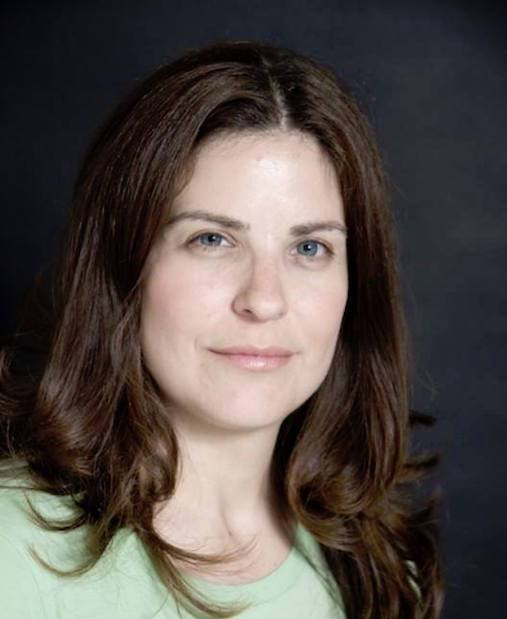
Jenny Frankfurt is the founder of The Finish Line Script Competition. She was a literary manager in LA, NYC and London for over 20 years.

What’s the last thing you read/watched you considered to be exceptionally well-written?

I May Destroy You. Hands down the best show I’ve seen in the past year, and I’ve watched A LOT during Covid lockdown.

I also think Revelation, which won the Grand Prize Winner in this year’s Finish Line competition, is one of the best pilots I’ve ever read.

How’d you get your start in the industry?

I was at Tisch School of the Arts at NYU in the Cinema Studies Department and applied for a job as a floater (permanent temp) at the William Morris Agency. I got the job and realized I wouldn’t be able to do do it and fulfill any kind of classes. Since my plan was to work in representation after I graduated, I dropped out and started working instead. Though I wish I had finished college for personal reasons, it was the greatest opportunity I could’ve had. My time at William Morris (now William Morris Endeavor) was the most educational of my career.

Is recognizing good writing something you think can be taught or learned?

The more writing, bad and good, you do, and films/TV you watch, also bad and good, the better one can be at discovering what good writing truly is. Good writing is not subjective in my opinion, but one’s taste in various styles of writing is. I’ve always been a voracious reader since I was little. When I started covering scripts for the talent department at William Morris, I’d read them incredibly carefully and determine what roles were important for casting and not. To read something carefully is one of the most important elements of being a good recognizer of what is working and what isn’t. That and having an open heart and mind to story, ideas and the ways storytelling connects to our emotions. The more you read and pay attention, the more these things become evident.

What do you consider the components of a good script?

It’s become clearer to me that the writer’s voice is the most important thing in a script. It’s what sets a great script apart from a good script. Theme and emotion ought to be linked, and when done right can be very powerful. Characters written without feeling will come across as just that – they’ve been outlined and written. All of this, when done really well, pops off the page. It’s a joy to see.

What are some of the most common screenwriting mistakes you see?

Lack of planning in a story. Set pieces that are there only because the writer had a cool idea and stuck it in a script that doesn’t connect to that scene or narrative. Ideas and development of characters that are just good enough. Just good enough isn’t enough anymore. Energy on the page is a necessity.

What story tropes are you just tired of seeing? 

Crying in the shower, sliding down the wall, a single tear. Mainly though forever the answer to this question will be road trip movies. Almost impossible to write them without them being full of every trope. Joe needs $25K or his mother will not get the operation she needs and gosh, an opportunity to get this money happens to present itself and hijinks occur. It may be fun, it may have merit, but it’s a trope.

What are some key rules/guidelines every writer should know?

There are no rules.

Just tell the story.

Outline. 

Create an interesting setting and fascinating characters. Plop them in and let it happen.

Research the industry; know the ‘players’, read the trades.

When you receive notes, take what you like and leave the rest. Keep your voice.

Leave your ego at the door.

Have you ever read a script where you thought “This writer gets it”? If so, what were the reasons why?

Oh wow, yes. But most of the time if you ask the writer they don’t know that they have! There’s a certain beauty in a confident piece of writing, no matter the medium. It’s a lack of excess rather than an addition of something. It’s the combination of just enough emotion, character development, story hook, theme. Just tell the story.

Seeing as how you run a screenwriting contest, what are the benefits for screenwriters to enter the Finish Line competition?

You can rewrite and resubmit new drafts for free throughout the competition and our notes are fantastic. They really are. They’re actionable so they don’t just say what works and what doesn’t, but we offer suggestions on how to fix it when it’s not working. We work with our writers so you feel connected; not just a fee thrown into the ethers. We want to help you get your script in the best shape you can by the end of the competition. If you don’t win, you still have a better script for another competition or a manager or producer. 

Also, we have a large number of mentors – over 40 throughout film/tv and in the US, UK, Canada and Australia. Top people. People who can actually make things happen. From this 40 you usually get another 5-10 from referrals from the mentor and we add a few more on once we know the winning scripts and determine who else might respond. So there are a lot of people you’re meeting and building a working relationship with. We really mentor you throughout. We always go the extra mile and stay in touch, continuing to help long after the year has passed.

Lastly, we don’t overcharge and you can connect with your consultant if you need to clarify notes. We’re available to you. And we speak to all the semi-finalists after the competition and talk about the industry, your script, game plans for representation, etc. We end up working with some of the semi-finalists as well!

How can people find out more about you and the services you provide?

Our website is chock-full of information at www.finishlinescriptcomp.com. And you can email us with questions at info@finishlinescriptcomp.com. We’re on Twitter, Instagram and Facebook too!

I’d also like to point out if you have a script for a feature, short, or TV pilot, both this year’s Finish Line Script Competition and the Tirota/Finish Line Social Impact Competition are now open for submissions. Click on the link above for all the details.

Readers of this blog are more than familiar with my love/appreciation of pie. What’s your favorite kind? 

Hands down, it’s apple. Preferably apple crisp. ‘Merica, right?

Q & A with Brandon Potter and Shannon Soccocio of Script Assist

Script Assist is run by Brandon Potter and Shannon Soccocio, both graduates of SUNY Oswego. Brandon graduated with a degree in Cinema and Screen Studies, and Shannon with a degree in Creative Writing. In their time as screenwriters, they have collaborated on multiple short and feature films, won Best Screenplay for a short film in 2018, worked as Teaching Assistants for screenwriting classes educating students on formatting, film production, and storytelling, taken multiple screenwriting classes for film and television, and worked as analysts for a confidential screenwriting competition in Los Angeles. Both have a passion for writing and helping others.

Established in July 2020, Script Assist is a screenplay feedback and editing business based off of Facebook. We provide our clients with 5 pages of quality feedback on their story, full edits on formatting and grammar, a phone call before and after receiving feedback, and are now looking to add screenwriting classes to assist beginning screenwriters with their work. As analysts, Brandon and Shannon learned what most contests look for in screenplays. With that knowledge, the purpose of creating Script Assist was to help other screenwriters perfect their screenplay by offering feedback on their story and making sure their formatting and grammar is correct.

What was the last thing you read or watched you considered exceptionally well-written?

The Haunting of Hill House on Netflix, created by Mike Flanagan. If you’ve seen it, it’s not hard to guess why. On top of the remarkably well-written characters, the unique use of time jumps and callbacks to past episodes make this a show worth watching. The impeccable pacing, the underlying themes, and the powerful emotional investment make it a show that after you watch it, it’s all you think about for hours. Plus, searching for the hidden ghosts is always fun.

Their second season, The Haunting of Bly Manor, was also written really well, but unfortunately, didn’t stand up to our expectations after watching the first season. The timeline was a bit confusing and it felt very unorganized.

How’d you get your start in the industry?

We were both attending SUNY-Oswego, and taken screenwriting classes with professor Juliet Giglio. She noticed we really understood the basics of screenwriting and how to do it well, and asked us to be teaching assistants. From there, we became analysts for a confidential screenplay competition. We both learned a lot about editing and what screenplay competitions look for. From there, we started Script Assist to help others with their screenplays.

Is recognizing good writing something you think can be taught or learned?

Yes! Something a lot of people don’t realize is that there’s a lot that goes into a script. You need to have not only a good story, but one that’s well thought out. You also need proper formatting, and to make sure your story can relate to your audience and yourself . Without knowing what to look for, it’s not easy to know if something is actually written well.

What do you consider the components of a good script?

Many writers believe that a good script should include well thought out characters and a good story. This is obviously true, but you also need to think about emotional investment. Emotional investment is extremely important when it comes to creating a good script. You need characters your audience can relate to. You want your audience to have somewhat of a relationship with your characters so they feel for them.

Pacing is also very important in writing a good script. Bad pacing is extremely noticeable in a screenplay and will quickly lose the audience’s attention. You need to know when each event should be taking place, such as the inciting incident and the midpoint. Without knowing this, your script will feel off; either too slow or way too fast. Last, but certainly not least, your script should definitely have an intriguing hook to capture the audience’s attention from the start.

What are some of the most common screenwriting mistakes you see? 

Screenwriting is a fairly easy thing to learn if you read some books and look over professional scripts. But there are a lot of beginning screenwriters that tend to make the simplest mistakes. Some common mistakes we see a lot are long action blocks. Writers must realize they’re not writing a novel; it’s a script for a movie or TV show. Judges in competitions and producers like to see a lot of white on the page. This means that you should have an even distribution of words and blank space. Action blocks should only ever be between 3 to 4 lines.

Another huge mistake we see often are “How Do We Know” moments, or “HDWK”. This is when the writer has written something in an action block that the reader and audience is not able to see, therefore would never know. Writers must make sure they’re only writing things that can actually be seen on screen. “Sally feels sad” would be an example of a HDWK moment. There is no way for the audience to know that unless you show it. So instead, the writer could say, “Sally frowns”.

What story tropes are you just tired of seeing?

We don’t feel there are any we’re totally tired of seeing. Everyone can put their own twist on things and make them feel new and enjoyable to read. Even if it’s the same trope, the writer can do a million different things to make it unique.

What are some key rules/guidelines every writer should know?

Action blocks should only be 3-4 lines 

Always watch out for “naked sluglines” – when a scene heading is directly followed by anything other than an action block

Make sure you have good character descriptions 

Formatting and grammar need to be near perfect 

Don’t have any HDWK moments 

Scripts can’t be written overnight. Be patient.

Be open to all feedback and suggestions

Have you ever read a script where you thought “This writer gets it”? If so, what were the reasons and why?

Definitely! These writers know how to format, give proper descriptions so that the reader can easily visualize what is happening, and how to write an engaging story. It’s obvious to us that the writers who stand out have taken their time with their story and have learned from their own experience.

How do you feel about screenwriting contests? Worth it or not?

Contests can definitely be beneficial for all writers, but if you’re thinking of entering your screenplay into any contests, make sure you do your research to ensure it’s the type of contest you’re looking for. Many writers rush to get their screenplays out into the world, yet don’t look over all their options. Smaller contests can be just as beneficial as the bigger ones, as each contest gives the writer experience. Winning any contest can open many doors. We definitely recommend checking out some of the different competitions for screenplays.

Very important – always proofread your work prior to sending it in! Make sure it’s ready to go before you pay that registration fee.

How can people find out more about you and the services you provide? 

People can check out our website at www.scriptassists.com, or visit our Facebook page at https://www.facebook.com/scriptassists/.

Readers of this blog are more than familiar with my love/appreciation of pie. What’s your favorite kind? 

Brandon – not a fan.

Shannon – I love a good chocolate cream or cherry.

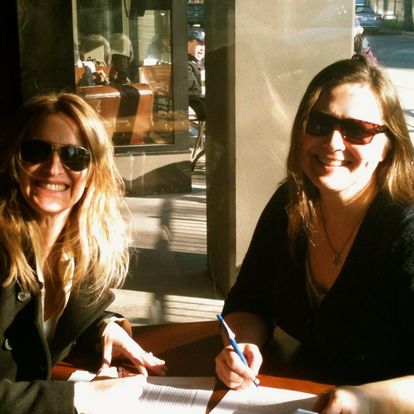
A holiday Q & A with Heather Hughes & Kate Wharton

Heather Hughes and Kate Wharton have been writing together for over 12 years and worked with Disney, Hallmark, and Lifetime, as well as a plethora of indie filmmakers.

They are both graduates of the TheFilmSchool in Seattle and studied with the late, great Blake Snyder.

They are represented by The Nethercott Agency in Los Angeles.

What was the last thing you read or watched you thought was incredibly well-
written?

Heather: I thought The Queen’s Gambit was extremely well-written. The characters were very real and they avoided all tropes. I really enjoyed the mother and that character defied all my expectations. We also just rewatched Breaking Bad, which is about as far away from Hallmark movies as you can get, but genius writing.

Follow-up: a Christmas movie, TV or feature, you think is well-written.

Heather: We detail the seven sub-genres of Hallmark movies in our book and we’re huge fans of the “fake boyfriend” sub-genre, which we call “The Christmas Fake Out” or “Rent-a-Boyfriend” and thought The Mistletoe Promise (2016) was quite well done.

We also like Mary Christmas, which has one of the most satisfying and unexpected endings of any Hallmark movie ever. It’s not The Usual Suspects, but for these movies it was a shocker!

Kate: Hallmark’s The Angel Tree is very nicely done. The plot setup involves good Hallmark-appropriate conflict and there are a couple of nice plot twists. I think it’s the best of 2020’s 40 new Hallmark movies.

How did you get your starts in the industry, and how did you get into writing Christmas TV movies?  

A producer requested our screenplay, which had done well in a contest.  He routinely asks the directors of the contest to send him the winning scripts.  When we started writing together, we were advised that some screenwriting contests were a way to get noticed. That proved to be true for us. We consider Austin, the Nicholl Fellowship, PAGE, Big Break and Kairos to be some of the best contests.

You refer to these films as Cozy Christmas Romances, or CCRs. Is romance a necessary component of the story template? 

Romance is a requirement for this genre. When we first started writing these movies we assumed that any wholesome content would appeal to these networks. We spent a lot of time pitching heartwarming stories that routinely got turned down. It wasn’t until we’d been at it awhile that we realized that these scripts had to be about—to steal from the late great Blake Snyder’s Save the Cat—two people who are better together than apart AND they needed to celebrate Christmas not just take place at Christmas. Or, as one producer told us, “It needs to be about Christmas, not just set at Christmas.”

There is an abundance of CCRs on several channels and streaming services, with new ones coming out each year. To what do you attribute the popularity of the CCR? 

There are several reasons they are so popular. These movies are predictable, safe, and uncontroversial. It’s a great escape! We like to call them the mac-and-cheese of movies. They’re familiar, warm and comforting. You won’t have nightmares after watching them and you can watch them with your 92-year-old grandma and your six-year-old niece. 

When we were researching the book, we actually found that a lot of military vets enjoy watching them because they can relax knowing that they won’t encounter any disturbing content.

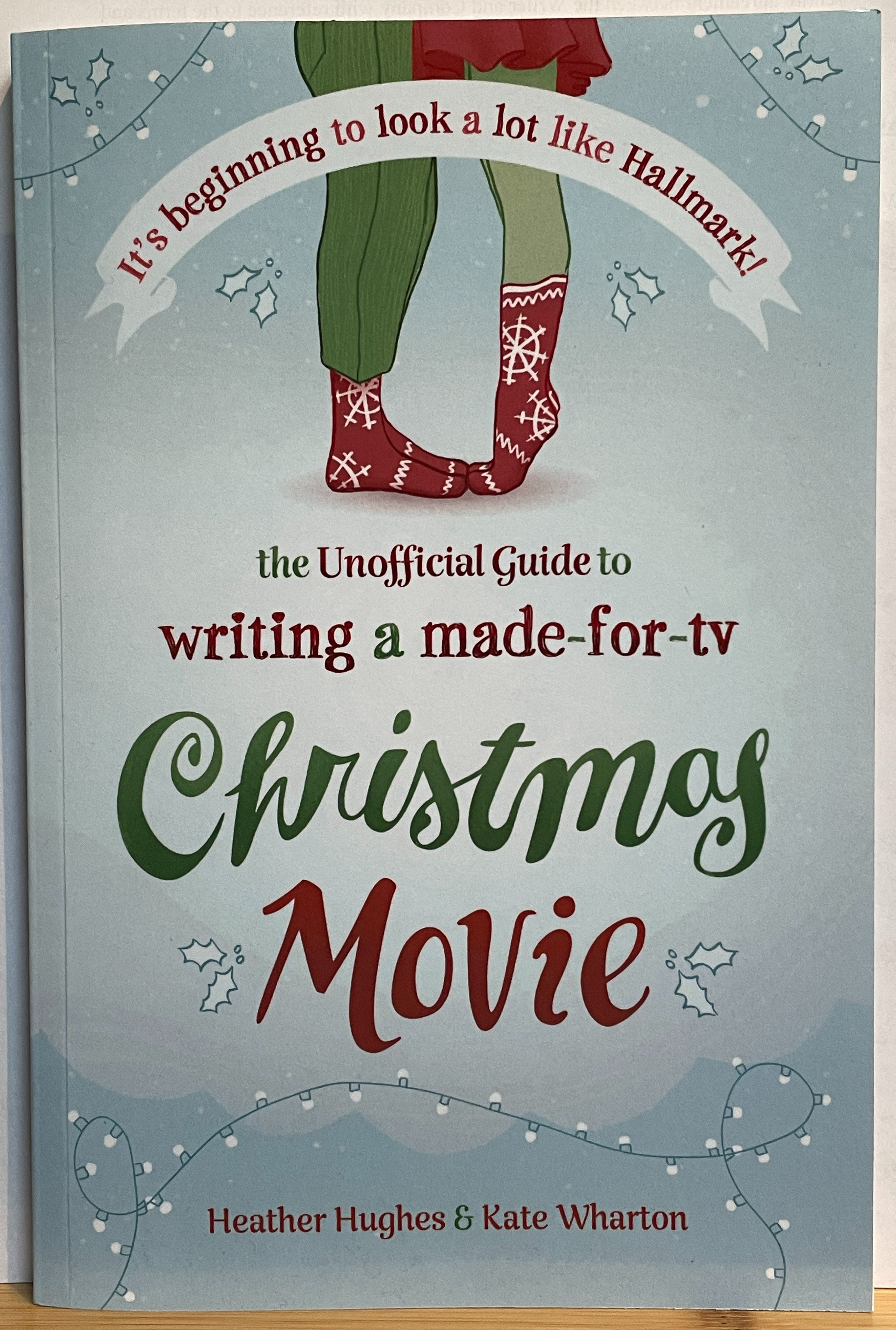
What was your inspiration behind your book IT’S BEGINNING TO LOOK A LOT LIKE HALLMARK! WRITING A MADE-FOR-TV CHRISTMAS MOVIE?

We learned these guidelines in dribs and drabs while we were working with and pitching to companies that make films for Hallmark. It would have been helpful to us if someone had written them down. For instance: we wrote a whole spec script featuring a couple in their 50s thinking it would be perfect for them. After we submitted it, we
learned the protagonist for that project needed to be 28 – yes, they actually said 28. We wish the production company had told us that at the start!

These specific guidelines change from year to year, but it’s helpful to know the basic framework for these movies.

How much research went into putting the book together? How many Christmas TV movies did you end up watching?

If you ask our husbands they would say thousands, but it was really more like hundreds. We also did extensive research with a ton of screenwriters, agents and producers. Some were eager to share, but wanted anonymity, especially when talking about money. After doing more and more interviews we began to see specific rules emerging. There are always exceptions to these rules, and we aren’t out to stifle creativity. But when we compiled our findings, we began to see them as a roadmap for writers who would like to write in this genre.

In the book, you list the 7 main types of CCRs. Obviously, that’s not all they’re limited to, but a majority tend to fall into one of those categories. If a writer comes up with something totally different from any of these but could still be considered a CCR, does that hurt their chances of getting it noticed?

We came up with the seven after watching many movies and reading all of the loglines. We’re sure there are more subgenres or ways to put these movies into buckets. We’d love to hear from your readers who identify others!

If a writer comes up with a new and original subgenre it could be great! But the companies seem to be buying similar content. If the idea strays too far from the conventions of the world (a Christmas town full of zombies, for example), it might hurt your chances of selling to Hallmark. Other networks might love it, though! 

Hallmark has honed its brand to the point where they know the 85 million viewers who tune in during November and December and what those viewers expect.

A few chapters involve the CCR beat sheet, along with filling in the blanks about the story. Some might say that there’s a certain predictability to these stories, so what advice would you give to writers striving to come up with something original?

We’ve noticed that many writers struggle with plot. They start writing with a lot of momentum, and then get stuck around page 50 because they don’t know what’s going to happen. The beat sheet is a fill-in-the-blank exercise to teach the writer a structure that is common to all these movies. If you’re great at plot without a beat sheet, then you probably won’t need this roadmap. 

These movies are intentionally predictable, but within that framework there is a lot of room for originality. If you want to write CCR movies, your original ideas will probably center on an unusual hero, and a unique romantic combination. For example: you could find a new reason the female character needs to leave the big city, an unusual job for the male character, or a unique Christmas activity to include in your montage.

You also go into “what to do after the script’s done”, i.e. queries, meetings, etc., and reference several non-professional writers who sold their scripts. While not every script is guaranteed to sell, is this something you would recommend for aspiring writers?

When you write a script, the goal is to get someone to buy it and make it into a movie—unless you want to film it yourself, which is a great option for aspiring filmmakers. After writing your script, the second hardest thing to do is to get people to read it. Our process of research and queries is a good system for getting people to read your script, regardless of your genre.

We think this is a good place for new writers who like these movies to break in simply because of the sheer number of CCRs made each year. In 2020, Hallmark made 40 new movies, Lifetime made 30 and UPtv made 5. There is never a guarantee that a script will be optioned, but there are many companies looking for content.

The two of you are about more than just writing Christmas TV movies. How can people find out more, as well as order the book?

We love teaching and writing together. Readers can contact us through our website writingtherom.com or on our Facebook page We Heart Rom Coms.  You can buy our book on Amazon, and we’d love to hear any thoughts your readers might have about it. Feel free to reach out!

Readers of this blog are more than familiar with my love/appreciation of pie. What’s your favorite kind?

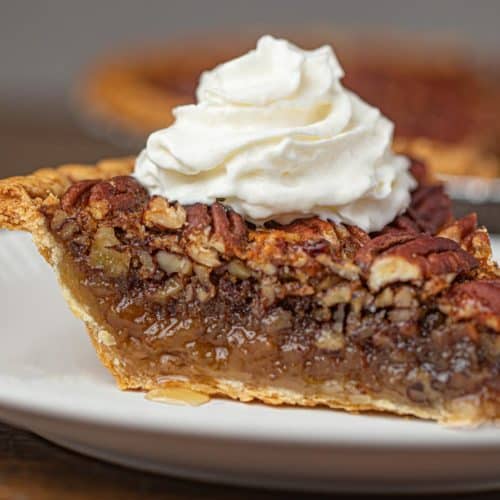
We both adore pecan pie with a ton of lightly sweetened whipped cream! No wonder we’re such great writing partners!

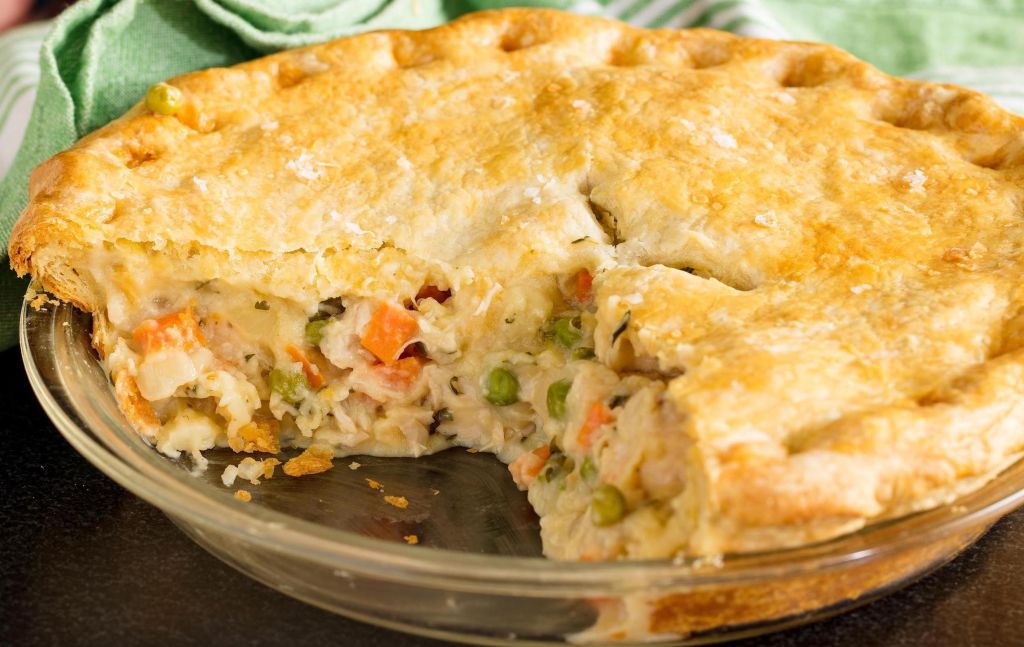
If your pie preferences run a bit more savory, we also recommend Costco chicken pot pies. They’re amazing—flaky crust, delicious chunks of chicken, and a light creamy sauce. Find them in the back, by the rotisserie chickens—It’s a cost effective, delicious meal.

Q & A with Naomi Beaty of Write+Co

Naomi Beaty is a screenwriting teacher and consultant who works with writers, producers, and directors at all levels to develop their film and TV projects. Naomi has read thousands of scripts and worked with hundreds of writers, first as a junior development exec at Madonna and Guy Oseary’s Maverick Films, and currently through group workshops and one-on-one coaching.

She also wrote the short, actionable guide Logline Shortcuts: Unlock your story and pitch your screenplay in one simple sentence.

What’s the last thing you read/watched you considered to be exceptionally well-written?

I’ve been bingeing a lot of series over the past several months (who hasn’t?) and the three I absolutely fell in love with have been The Great, Mrs. America, and The Queen’s Gambit.

And I was blown away recently by a script I read for a client, but I haven’t asked if it’s okay to mention him here, so I won’t. But if anyone’s looking for an amazing boxing movie, I’d be happy to connect you!

How’d you get your start in the industry?

Like a lot of people, I went the assistant route. I worked for a producer-manager, which was a great introduction to how the industry works. And then moved into development at a larger production company, which was a real education. 

Is recognizing good writing something you think can be taught or learned?

We all have gut reactions that tell us whether a story moves us, right? But being able to read a screenplay and understand whether or how it’s working takes some experience. So there’s obviously something to be said for whether a screenplay gets an emotional response from you, but we shouldn’t stop there. It takes time and effort and a lot of reading analytically in order to truly understand what makes writing “good.” 

What do you consider the components of a good script?

A strong concept, structure that delivers a satisfying experience, characters we care about and invest in who are transformed by the events of the story, clear, meaningful stakes, dialogue we actually want to hear. And all of those things working together in a way that makes us feel something.

What are some of the most common screenwriting mistakes you see?

There are a bunch that I think fall under one big umbrella, which is: forgetting that you’re a storyteller. We want you to guide us through the story, direct our focus, tease out the tension, all to achieve the effect you want. It’s easy to overlook when there’s so much that goes into just figuring out how to put a story together, you know? But the delivery of it can separate good from great.

What story tropes are you just tired of seeing?

The clumsy hot chick comes to mind. It’s right up there with “beautiful but doesn’t know it.”

What are some key rules/guidelines every writer should know?

I often joke that there are no rules in screenwriting… except these three:

1. Don’t confuse us.

2. Don’t bore us.

3. Make us feel something.

Other good guidelines:

– Know what story you’re writing. That doesn’t mean you have to know on the first draft – sometimes it takes time to figure it out – but until you know, that script is going to be a struggle.

– Make sure you share that story with the audience. We need to clearly understand who wants what, why they want it, what they’re doing to get it, and what’s stopping them. It sounds basic, but you’d be surprised how few scripts really nail all of those pieces.

– Start with the strongest concept you can. It’s something that’s tough to correct for later on.

– Learn how to build and escalate emotional stakes! I don’t think I’ve ever read a script that wasn’t better for it.

– Finish your screenplays whenever possible. Abandoning something halfway through because it doesn’t seem to be working means you never get the chance to learn why it isn’t working, how you could fix it, or what you should do differently next time.

Have you ever read a script where you thought “This writer gets it.” If so, what were the reasons why?

Yes! The script doesn’t have to be perfect, but when it’s clear that the writer knows how to put a story together and can convey it in a way that it feels like a movie – then I know that writer gets it.

How do you feel about screenwriting contests? Worth it or not?

Some are, most are not, but in the end it really depends on what you mean by “worth it.” If you’re just looking for a reaction from a fresh set of eyes and a sense of how your script stacks up against others, there are a number of contests that can offer that.

If you’re looking to actually move the needle in your career, there are very few contests that are worth the cost of entry.

How can people find out more about you and the services you provide?

The best place to find information about my services and workshops is my website! writeandco.com. I also have a short ebook that’s available for free on Amazon, called Logline Shortcuts.

Readers of this blog are more than familiar with my love/appreciation of pie. What’s your favorite kind?

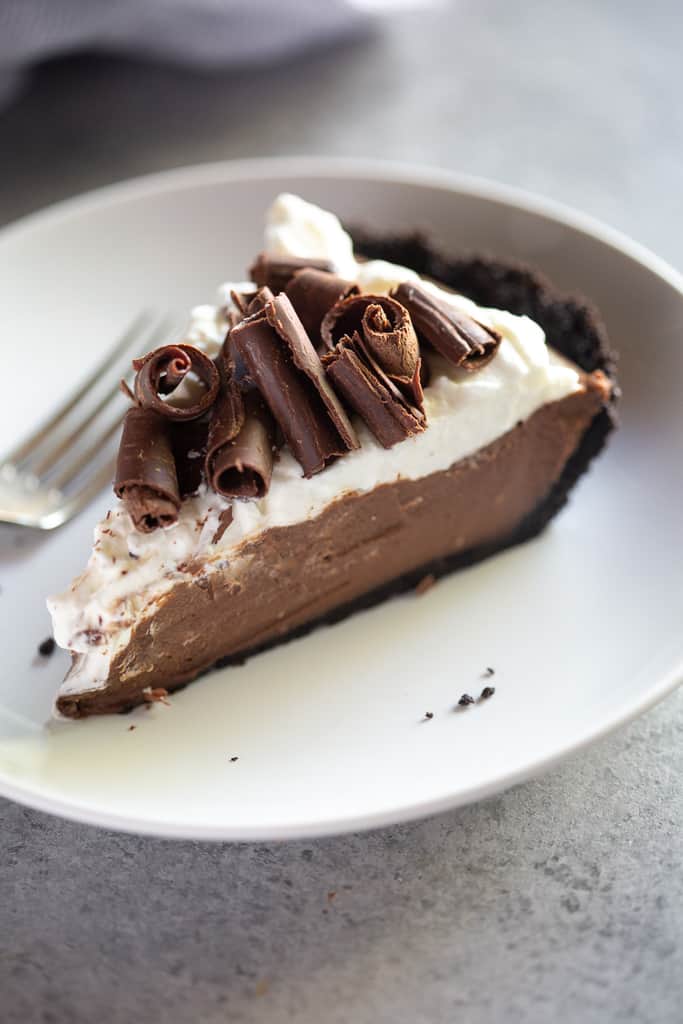
If I’m allowed a savory choice, I’ll take a chicken pot pie. But for dessert, chocolate cream pie with graham cracker crust, please.

The path through is around here somewhere

The actual writing-of-pages for the current project may be underway, but wow did it take several attempts to get there.

A lot of it involved figuring out how to best set up the world in which the story takes place. I’d considered starting it one way, then thought “how about if…?”, which resulted in another way, naturally followed by “then again, I could try…”

At the time, I’d settled on the one I thought worked best. Feeling confident about the state of the outline, I started on pages.

Progress was slow, but steady. After a couple of days, I was already up to page 20.

Which of course was MUCH MORE than it should have been.

Not that I strictly adhere to the “THIS happens on Page ____”, but there was just too much going on, which was slowing things down a lot more than I’d intended.

What to do, what to do?

One option was to keep pushing forward and then go back and edit like crazy, but at the rate I was going, I’d end up with a script approximately 150 pages in length. Not an option.

Or I could go back to an earlier version of the outline that only includes part of what’s already there.

Yet another option was to go all the way back to how I initially envisioned the whole thing starting.

Quick side note – you know how they say the first page really sets the tone for the rest of the story? This is a guideline I’ve always tried to work with, especially in this case.

The first pass didn’t cut it, nor did the second one. Something needed to be done.

So I went through my extensive notes, hoping to find a solution.

And I found it. And it was the original idea. It had exactly what I needed, and I’ve seen variations of it in other scripts and films, so there was no reason I couldn’t make it work for my story.

I got to work reorganizing it and streamlining it to help things move along faster. This including having to jettison a majority of material I was very sorry to see go, but it was necessary. No reason some of those details couldn’t be implemented later on.

Oh, and another small detail I forgot to mention – my computer’s OS updated, which my screenwriting software hasn’t been adjusted for yet, so working with that became quite a pain. Luckily, some recent contest success resulted in me receiving another screenwriting program. After a quick installation and a few “how to” videos about using it, I was on my way yet again.

All of one page so far. But I like it better than the previous versions, and it’s significantly better than having no pages at all.

Let the pushing forward commence.