Seeing some shine on that diamond in the rough

Even as I was getting the latest book ready over the past few weeks, I still made an effort to split time among a few other ongoing projects.

On that list: a severe edit of the animated fantasy-comedy spec.

The previous draft had clocked in at 120 pages, which admittedly is kind of long, especially for an animated story.

So it had to not only be tightened up in regards to what’s on the page, but also the actual number of pages. Fifteen to twenty, while seemingly excessive, felt appropriate.

Armed with some exceptional notes and a strong idea of all the issues that needed addressing, I set to it.

The phrase “kill your darlings” played a significant role during this process. Several scenes I loved were, as pointed out by an extremely savvy reader, more of a distraction from the main storyline and were actually slowing down the read.

Highlight, delete, mourn their demise, move on.

A good number of scenes underwent a major overhaul, including severe tightening up, rephrasing of dialogue, and a whole lot of moving stuff around. Sometimes a change would be made that I didn’t realize needed to be made. That’s always a surprise.

All of this combined ended up cutting 14 pages, bringing the grand total down to 106. Not too bad.

From my perspective, what ended up being the biggest accomplishment was that the whole thing seemed stronger than before; more put-together. It’s been a while since I’ve felt this positive about a draft.

It’s been sent to the latest batch of readers, and I’ve no doubt they’ll do a bang-up job in finding faults and spotlighting what needs work. As they should, and that’s fine with me.

It’ll help the next draft be even better.

You win some, you lose (or don’t place in) some

Another screenwriting contest season come and gone, at least for yours truly.

My western’s record with PAGE extended to 0-6, and didn’t make it to the quarterfinals in the Nicholl. After last year’s debacle with Austin, I opted to skip it this year.

(Side note 1 – I don’t pay to get the reader/judge notes, so don’t know why the script fared how it did for either contest. The Nicholl used to offer notes after the top 5 were announced, but not sure if they’re doing that this year or you had to pay upon registering.)

(Side note 2 – A very hearty congrats and good luck to the 359 writers who made it to the Nicholl QFs. I wholeheartedly applaud the Academy’s decision to limit submissions to one script per person. Other contests should follow their lead.)

My initial reaction to the news from both competitions was “I must be a really shitty writer to keep failing like this.”

But as my ever-supportive wife, a few friends who are also consultants, and several other trusted colleagues in my writers’ network reminded me:

It’s a really good script.

You’re not a bad writer.

IT’S ALL SUBJECTIVE.

This script has also done moderately well in some smaller contests, so it can’t be that bad.

I know a writer whose script advanced in the Nicholl after several years of bupkis. I also know another writer who made it to the top 50 one year, then the same script didn’t even make the quarterfinals the following year.

And as a few others pointed out about the prestigious contests and the scripts that do well in them: it may be a good script, but would it be a good movie? I’ve read some contest winners (and some top vote-getters on The Black List); some were very well-written, and some just didn’t do anything for me. One or two even made me question why they did as well in the contest as they did.

Furthermore – did any make me eager to shell out the cost of a ticket if it were available on the big screen?

Not really.

But again, that’s just my take – i.e. SUBJECTIVE.

At the very least, reading these scripts could be helpful in a “developing your craft” kind of way.

So where do I go from here? I’m rewriting a pair of newer scripts, and haven’t decided if either will go the contest route. Possibly, but right now I couldn’t say.

I’d rather focus on getting them in decent shape. If that means skipping contests next year, that’s fine by me.

AIC mode – re-activated

The past few weeks have been quite the whirlwind of activity on several fronts.

First and foremost, after much work and effort, I released my book GO AHEAD AND ASK!, VOLUME ONE. Responses have been enthusiastically supportive. Plans already in place for Volume 2, which is tentatively set for a late June/early July release.

In case you were wondering, there wasn’t any post last week due to traveling to help the inimitable Ms V wrap up her freshman year at college and transport her home. This also included my running my first in-person half-marathon since February 2020. Finish time of 1:59:06, which was much better than expected – especially considering how much it rained during the race.

But all this activity also meant I didn’t get much writing done, so now it’s time to get back into a somewhat normal routine.

As in – setting aside time to write, or using a phrase I’ve heard bandied about more than a few times:

AIC – Ass In Chair

I’ve got several projects that I’d like to work on, and the only way to make any progress on any of them is to just sit down and do the work.

However much time I can spare each day will be fine, and you can be certain I’ll do my darnedest to get the most out of that time as possible.

The results have already proven beneficial, including a drastic reworking of the latter half of Act Two for one script. This had been nagging me for a few days prior, and it felt great to work my way through to a solution that seems much stronger and more effective than what it was before.

I know all future writing sessions might not be as productive, but I’ll take whatever progress I can get.

Here’s hoping your upcoming AIC times are just as good.

3 months in, and…?

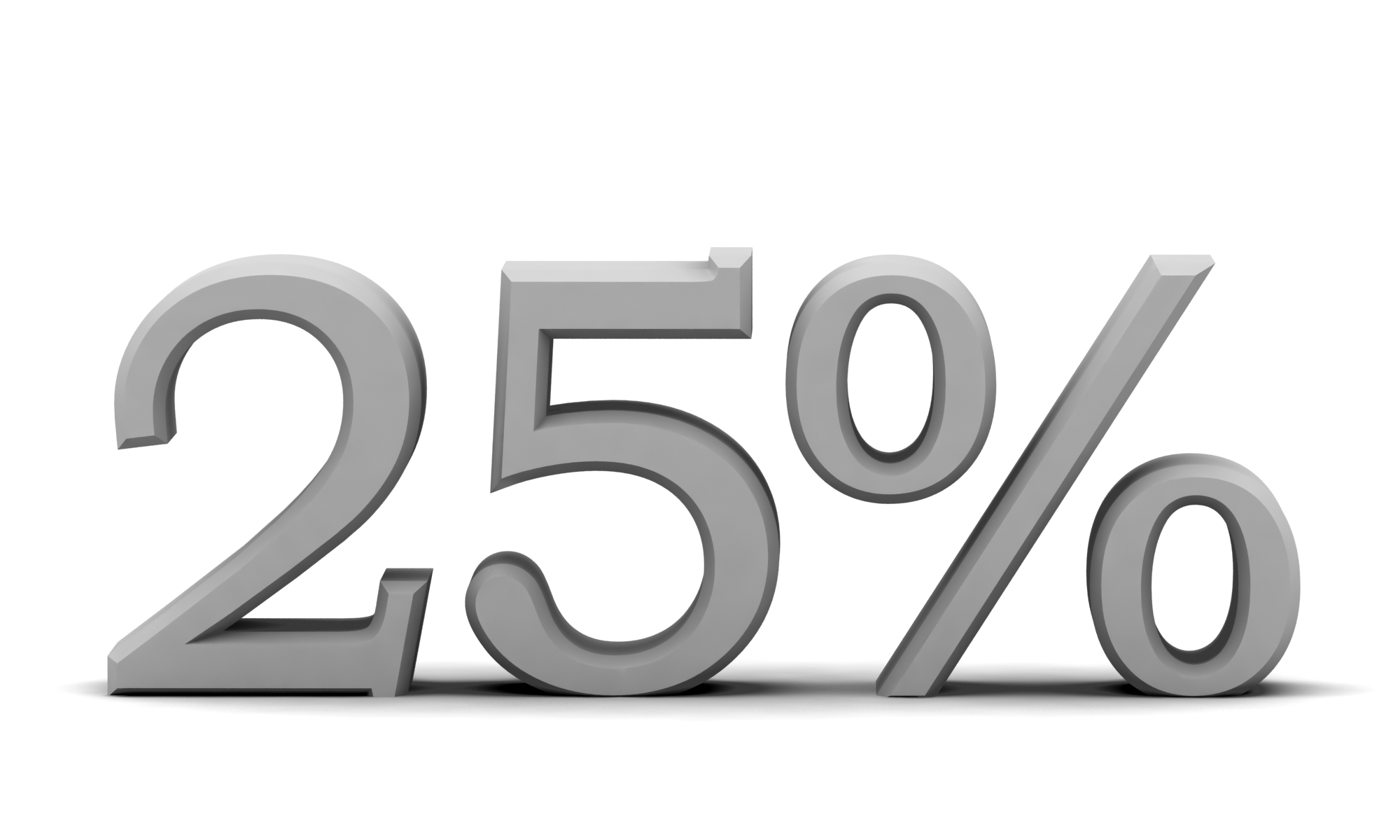
2022 is now 1/4 over. How’s it been for you, productivity- and results-wise?

Are you making the progress you’d hoped you would? Any goals achieved or finish lines crossed?

If so, great!

If not, don’t be so hard on yourself. Sometimes things take longer than we’d like them to.

The important thing is that you’re putting in the effort, and that any progress is good progress.

It can probably said with absolute certainty that lots of writers started the year with the mindset of “I’m going to accomplish X, Y and Z!”. Like with most things, numerous factors play a role, so results will vary.

It’s great to give yourself some long-term goals, but setting up some short-term ones can really help boost your morale. Create goals you know can achieve, like setting aside a specific amount of time per day for writing and writing-related activities, or that you’re going to write X pages a day.

Accomplishing something is all about putting in the work, and that takes time.

Look at it from this way. If you’re not where you thought you might be around now, you still have 9 months to work on getting there.

It’s a marathon, not a sprint.

This applies to more than just writing a script.

Pace yourself. Know what you’re capable of, but don’t be afraid to give those limits a little extra push.

Good luck, and hope you have a wonderfully productive next three months.

Getting your time to work for you

Most of this week for me has been splitting time among a few projects, with notable progress on each. Especially notable was that two of them had felt somewhat stalled, so to have broken through that wall and kept going was quite the endorphin rush.

Since I was feeling rather accomplished about this relatively minor feat, I put out on social media how nice it was to have done so. A number of writing associates offered up congrats and encouragement, as well as one person who asked “How do you find the time to do all this?”

I’ve gotten this question before.

How DO I find the time? How does any writer?

I guess the simple answer is: I make the time, whenever I can.

Some writers are able to have a designated window of when they work. Maybe they wake up a little earlier than they need to and write for an hour or two before they need to get ready for the day job.

Or they have mini writing sprints at the day job; 10 minutes here or there, during the second cup of coffee or lunch, what have you.

Or maybe they wrap up their day with writing before going to bed.

It really depends on what works best for you.

As much as I’d love to have a big block of time each day to be all about the writing, some days that just isn’t possible, so I make do. I have a little downtime during the day job, so I try to squeeze something in when possible.

But I’m also trying to get in better shape, so a certain amount of my day might involve an hour-plus at the gym or going out for a run. This in turn means I’d have less time to write, but if I don’t exercise, I’ll feel lousy mentally and physically, which in turn won’t help me be productive for the writing. If that means a slight extension of how long it takes to finish a project, I’m okay with that.

(One exception – if I’m on a deadline, all bets are off and it’s all about the writing.)

Sometimes it’s not about how much time I have to write, but how much I plan to write in that time. More than once I’ve sat down thinking “I want to write at least three pages today.” If I write three, great. A lot of the time I’ll push myself to do at least a little more, depending on how productive I’m feeling. Anything beyond the original objective is a bonus.

It’s all about setting up your own goals and expectations. Be realistic. What do you think you can accomplish each day with the time you have to work with? You know better than anybody how you operate, so plan accordingly. Write for an hour and see how far you get? Set an achievable goal (the aforementioned three pages) and see how it goes?

It’s easy to feel negative when you see other writers proclaiming things like “Woo-hoo! Another dozen pages done today!”, and all you could manage was two or three.

Don’t. Everybody runs at their own pace. Like I remind myself when I take part in a race:

It’s the distance, not the time.

It’s more important to do this – and finish – on your own terms, rather than pushing yourself too much and running yourself ragged, resulting in collapse and/or burnout. And I’m not just talking about running.

Know what you want to accomplish, and knowing how much time you have to do it, you can plan accordingly.

Repeat as long as necessary until the damned thing’s finished.

Until the next draft, where you go back and find the time to do it all over again.