Better than socks and underwear

xmas
“Not the insightful script analysis from a seasoned professional I was hoping for, but a Rolex is nice too.”
With the holidays coming up fast, and you’re just not sure what to get the screenwriter in your life, take a gander below at all the great gift choices available. What better way to show your support in helping them be a better writer in 2017?

And if you opt to splurge on yourself by purchasing any of the services being offered, they should count as tax-deductible (but double-check with your accountant, just to be sure.)

Keep in mind a lot of these offers are time-sensitive, so don’t delay and order today!

-Writer-director-producer Jimmy Day has launched the new Write12BlockScripts script consulting service. Mention Maximum Z when ordering and he’ll take $50 off, and that applies to both full script and 30-page reviews. Contact Jimmy here.

-Consultant Phil Clarke wants you to take advantage of getting his script services at the 2016 rates before the new 2017 rates kick in on January 1st. Visit www.philmscribe.com for details on a script consultant with bonafide, rarely rivaled industry experience, or contact Phil here.

-Story analyst Jim Mercurio is offering a 48-hour flash sale with 50% discount on several services. Get up to 20 pages of notes and save up to $600 on Jim’s Snapshot Evaluation, Comprehensive or Professional Analysis Services. Even if your script’s not ready to send right away, sign up the end of this weekend and submit your script anytime through the end of January. Contact Jim here.

-Author-consultant Michele Wallerstein will be teaching the online course How to Break into the Screenwriting Business via Screenwriters University starting on February 9th, and her book Mind Your Business: A Hollywood Literary Agent’s Guide to your Writing Career is now available in both paperback and Kindle versions.

-Writer-consultant Philip Hardy’s The Script Gymnasium is offering up the 2016 Holiday Special of $99 for full script evaluation and notes. This offer is good through December 31st. Contact Philip here.

-Consultant Andrew Hilton (aka The Screenplay Mechanic) will give a $10 discount on any of his services through January if you mention you were referred via Maximum Z. Better hurry! Spots are filling up fast!

-Consultant Danny Manus has a special holiday deal in place: purchase any Basic or Extensive Notes Service now thru January 1st and receive the 2-hour webinar “Mastering the Short Pitch” FREE! (normally $49) when you reference Maximum Z. Contact Danny here.

-Writer-consultant Mark Sanderson is offering a holiday discount of $25 off all consulting services. The offer runs through December 31st, but can be used throughout 2017.

-Consultant Lee Jessup is offering a 15% discount on her one-on-one career coaching services if you use the code MyPalPaul.

-Consultant Barri Evans is offering 15% off all services purchased between now and January 4th. Check them out here, or contact Barri here to discuss the best option for you. Services range from pro help on crafting powerful loglines, queries, and pitches to script consults offering one-on-one interactive feedback, as well as mentorship to meet your every need. Plus, be sure to check out her free Logline Thumbs Up or Thumbs Down on her consults page!

-Writer Bill Martell is having a sale until December 26th on the mp3’s of his audio classes: half-price for the Classic Class Set and the Naked Screenwriting Class. Bill also has a wide selection of e-books.

-And when you decide to take a break from writing and just want to lose yourself in a good read, Brian Fitzpatrick’s screenplay-turned-novel Mechcraft is slated to be published by Inkshares in 2017. With the visual intensity of The Matrix combined with the wonder of Harry Potter, pre-orders for Mechcraft are being taken now! Check out the site, the reviews, and sample chapters here.
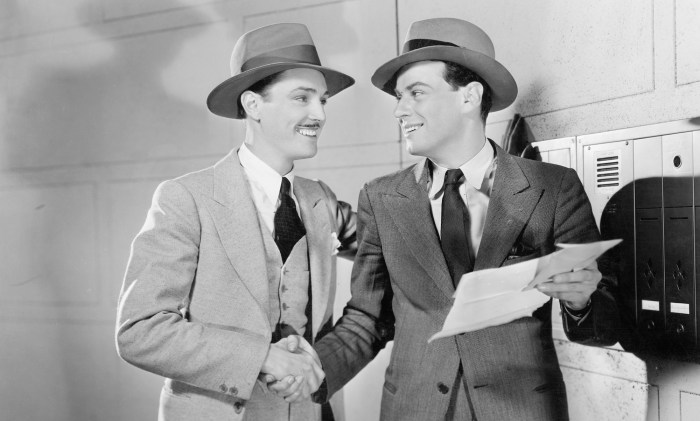
Try the direct approach

handshake
Nice to see you again. Mind if I ask you something?

Sometime last week, I received a very nice compliment via on online forum regarding the quality of the script notes I give. A mutual associate of ours chimed in with the grumbly “Well, he never does it for me.”

To which I responded “Because you never ask.”

I don’t know what this writer’s standard M.O. is for getting notes, but from what I can gather, usually involves them posting “Anybody want to read my stuff?”

There’s nothing wrong with that, but the drawback is you run the risk of getting feedback from somebody with less experience than you, or worse, has no idea what they’re talking about.

This is why networking and establishing relationships with other writers is so important. If someone posted a generic request for a read, I’d be less inclined to respond. Even if I knew the person. I figure they’ll probably get a few other responses, so why bother?

But if someone came to me specifically and said “If you have the time, would you be able to read this?”, I wouldn’t hesitate to say yes. This shows me that they value my experience and opinions, along with respecting that I can’t simply drop everything to accommodate them. They’ll also include an offer to read something of mine, if I’m interested.

Sometimes I’ll get an email asking me for a read, and it might be because of any number of reasons. They’ve read my stuff before and think this new script is similar. They know I have an eye for fill-in-the-blank. All of this could only have come from myself and this other writer having already established a good professional relationship.

While I always encourage writers to get out there and network, it’s also important to build on those connections once you’ve got them. You don’t have to become somebody’s best friend, but being supportive or offering the occasional words of encouragement really go a long way. Plus, people are much more likely to remember that sort of thing, adding to the likelihood they’d be willing to help you out.

More than often I’ve read about another writer’s projects and introduce myself, tell them how I found them (usually via the forums) and of my interest in the script in question, then ask if they’re cool with me taking a look at it. It’s a rare occurrence when someone says no.

Both of you are writers constantly striving to improve, and some good, solid feedback can play a big part in that. And that can be best achieved by getting to know other writers and treating with the same respect you’d expect to be treated with yourself.


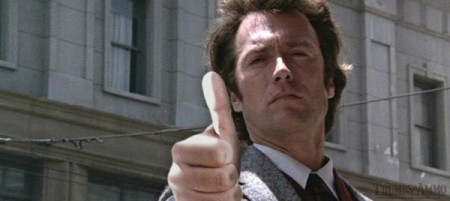
Hopefully not too seldomly heard

callahan
Thanks, Harry! I’m glad you liked it.

So how’s your November writing project coming along?

Mine’s not too bad.

I’m a few scenes into Act 2, and things seem to be progressing smoothly, including coming up with a strong and slightly expository scene at the spur of the moment. Daily page output is fluctuating, but relatively steady; not sure if I’ll have a completed draft by month’s end, but think I’ll at least be mighty close.

This script is actually part of a collaborative effort (more on how that came about another time), so I sent the first ten pages to the other person, just to let them know how it was going.

Their response arrived the following morning.

“Fucking amazing! You are definitely on the right path. Amazing job!”

There was more to it, but I believe that accurately sums it up. They like what I’ve done so far, which in turn buoys my confidence, thereby inspiring me to keep charging ahead. Encouragement combined with enthusiasm is contagious.

Added bonus – several voicemails since then mentioning how they’re been reading those pages a couple of times a day and can’t help but feel a thrilled sense of anticipation about the rest of the script, along with its potential.

No complaints from yours truly about dealing with a case of the warm fuzzies.

A writer always hopes people like what they’ve written. True, not everybody will, but if some positive comments come from another writer whose opinion you value, wouldn’t that give you a little boost?

Who doesn’t appreciate a little vindication for all the hours put into getting to this point? We all know how much effort it takes to write something, let alone something that garners a positive response.

When I’m asked to read something, I’ll be honest with my thoughts on it. I’ll make appropriate suggestions of how it could be improved (which is usually the reason we’re being asked to read in the first place). But if I think it’s good, I won’t hesitate to say so. I will gladly point out what I liked and why I liked it.

Your readers are more than happy to give you positive feedback and words of encouragement, but they won’t do it because they like you or you’re their friend. They will do it because the material you wrote earned it.

And they’ll want you to keep doing it. And you’ll want to too.


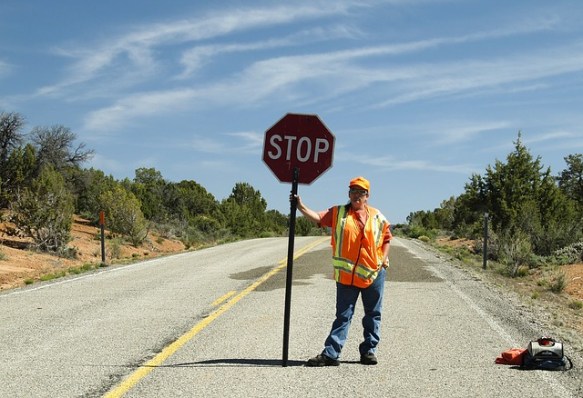
Avoiding the dreaded unfilmable

flagman
Don’t go this way!

I recently had the pleasure of giving notes on a friend’s script. It was an early draft, so it had some of the usual problems that were easily fixable.

But the one thing that really stood out to me was their use of unfilmables.

“Unfilmables?” some might ask. “What are those?”

I’m glad you asked. Here’s an example:

“EXT. PORCH – DAY

Jane sits on the stained deck chair her father bought for her birthday last year.”

If you saw that onscreen, you know what you’d see?

A woman sitting on a chair.

In other words, HOW DO WE KNOW it was a birthday present from her father? We don’t. How can you let us know? Maybe we see the father giving it to her. Or another character asks about it, and she delivers a one-line explanation.

If there’s an important detail to your story, you need to find a way to include it as part of the story, and preferably in the most organic way possible.

What’s on the page is what we see and hear.

Unless there’s a line of dialogue or some kind of action somewhere in there that reveals these kinds of things, the audience has no way of knowing them.

Here’s another:

“INT. KITCHEN – NIGHT

Kevin washes dishes. He thinks about that time he and his high school girlfriend crashed her mom’s car.”

What’s on the screen? A guy washing dishes.

HOW DO WE KNOW that’s what he’s thinking about?

Maybe we see the accident take place. Or hear Kevin talking about it. Maybe the story involves how the accident leads up to him washing dishes.

In my old writing group, one writer was insistent about leaving these sorts of things in. When pressed on why they were so adamant about not being willing to take them out, they’d launch into a long-winded explanation of why it was necessary to include them.

“So if we were watching this, you’d be there explaining things, rather than working them into the story and showing them on the screen?”

I’m not sure if they got the point.

Hopefully you do.

Just another gradual shifting of gears

gear-shift
Start at first and take it from there

Notes continue to trickle in for the comedy-now-dramedy spec. General consensus – solid concept, underdeveloped, reads like a first draft, still needs a ton of work, and so forth.

All of which is fine by me. I wrote it in an extremely short amount of time, which is probably quite evident in the draft itself.  It’s also the fastest I’ve ever cranked out a draft, and to me that’s still a victory in itself.

Would I have loved for everybody to gush about it and claim it truly wonderful? Of course, but that ain’t gonna happen. As long as nobody says “This is terrible!”, I’m good.

Is it at least a decent script? Well, I like it. There’s a lot of potential in it, and the quality can only improve from its current state.

So while the thoughts of “what to fix and how to fix it” percolate, I’ll slide it to the always-expanding back burner and move on to the next couple of items on my agenda, which includes notes on some friends’ specs, followed by the first draft of a long-in-development project.

Exciting times, chums.