I see what you did there, Mr. Kasdan

Marion Ravenwood
A handful of lines + a solid right hook = insight into 2 key characters

Of all the notes I’ve received about my western, the ones that really stood out the most were about developing the characters a little more – especially the titular protagonist.

I’ve also been spending some time reading, watching and analyzing the scripts and films that influenced it. Namely, RAIDERS OF THE LOST ARK (along with its sequels) and a few others involving female leads who kick ass.

It’s a great opportunity to explore what makes a character tick. A lot’s been written about the “exposition without being blatantly expository” scene in RAIDERS with Indy and the government men, but I’ve been paying more attention to other scenes; the ones that offer up a bit more about what kind of person Dr Jones is as seen through his interactions with other characters.

-Indy discussing with Marcus the implications of finding the Ark.

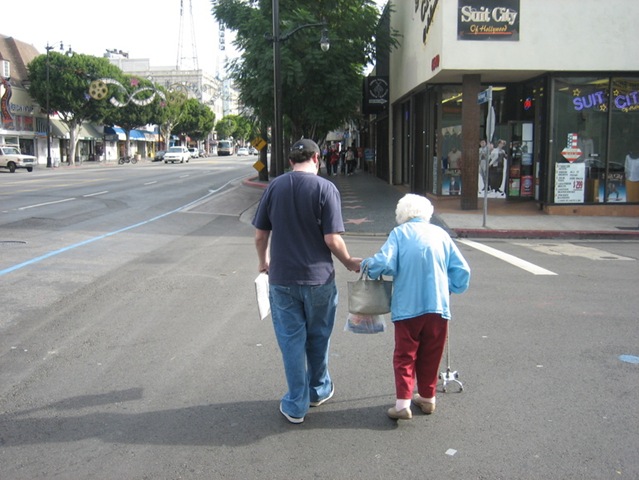
-The reunion with Marion (see photo above)

-The encounter with Belloq in the cafe in Cairo.

All of these (and a few more) present an aspect of Indy’s character WHILE ALSO advancing the plot. It takes a lot of effort to do that and do it well.

I’ve also been working my way through the infamous story conference transcript, where Spielberg, Lucas, and Kasdan work out the story based on Lucas’ idea of a “swashbuckling archaeologist”. While you can easily find the memo itself, check out this phenomenal post that also analyzes some key points of what’s being discussed.

A lot of this is what I’ve been focusing on during this rewrite. More than a few of my notes highlight certain scenes and say something like “This would be a great place to show us more about her.” So that’s part of what I’ve been trying to do.

I originally thought it would be really tough to implement those kinds of changes, but using RAIDERS et al as guidelines and knowing my objectives for each scene, it actually hasn’t been as challenging. Sometimes all it requires is a few extra lines of dialogue or a modified action line. It’s not always easy, but it definitely feels a little less daunting. Also helping – working on one scene at a time.

In the meantime, progress on the rewrite/polish continues at a healthy pace and I really like how this new draft is shaping up. I suspect the end result will be a little more than just slightly different from previous ones, and hopefully the changes will really take the script to the next level.

A change for the better

gym
A struggle now, but worth it in the end

Ah, the sensation of liberation that comes from not holding back AT ALL when you really throw yourself into a rewrite.

That’s kind of how it’s been working out for the latest draft of my western.

What was originally anticipated as a nerve-wracking ordeal involving constantly second-guessing my choices has actually become quite a fun, thrilling, and surprisingly eduational experience.

Part of the initial objective was to flesh out the characters some more while keeping the story intact. The former seemed to pose the biggest challenge. Tough, but not impossible.

I figured the best approach was to take it scene by scene, starting with page one and the mindset of “what can change about these characters?”

I couldn’t say if it was having not looked at the script for several months, or just going into this with a “just have at it” attitude, but there was definitely something different about this time. Both for me and the story.

The words came, and I really like how it’s coming along so far. There are the expected slight modifications to the story, but nothing too drastic, and overall it feels a little more developed.

In the meantime, the “one scene at a time” approach seems to be working out just fine. I thought the script was pretty decent before, but now think there might actually be a chance the end result could be even better.

Change is inevitable. Embrace it.

edited page
All that red is a really good thing

A few more sets of script notes have come in. Comments in general are favorable (Thanks, everybody!), along with lots of suggestions about potential fixes. Nothing too drastic, but just enough to slightly alter things and still achieve the same results. Nevertheless, it’ll require a fair amount of rewriting.

Which is totally fine by me.

As much as I like what I’ve written, as do a lot of my readers, both sides know it can always be improved – especially my side. As the writer, it’s not as easy for me to recognize what those improvements could be and where they should go, which is why I ask for feedback. The readers start with only what’s on the page and use their knowledge and experience to deduce what works and what doesn’t, and then pass it all back to me for analysis and selective implementation.

A less experienced writer might be hesitant or even reluctant to do anything drastic that could change anything about their script.

Me, not so much. I know what the story is, and if somebody points out something that doesn’t work or suggests a different way to present it, I’m not going to say no. In fact, I’d probably be grateful for it. I might not always agree with what somebody says or suggests, but I still appreciate it and can totally see why they said it. Sometimes it might even inspire a totally new approach. Whatever works.

Used to be I would dread having to rewrite, but due to an effort of trying to write on as regular a basis as I can, which also involves rewriting, I’ve gotten to the point where I now actually look forward to it. (Helpful tip – the more you write, the easier it gets – albeit to a certain degree. Overall, it’s still tough.)

Will later drafts of my scripts be exactly the same as the first? Of course not. That’s the whole point of rewriting: to make it better than it was before. And that requires making whatever changes are necessary.

I recently got to sit in on a friend’s script review group where a new writer received some pretty brutal notes about their script (which I believe was also the first draft). If they wanted it to be better, they had a lot of work to do. They had this somewhat annoyed look and said “Guess that means I’ll have to rewrite most of the script.”

Well, yeah. This is no “one-and-done” kind of operation.

If you think the first or second draft of your script is perfect as is and doesn’t need any more work, then good for you, but I sincerely hope you never, ever show it to a writer with more experience because you will be severely disappointed with what they have to say.

As for me, I’ll be keeping busy with the usual hacking, slashing, and overall rehashing of my scripts. And enjoying every second of it.

-If you’re a fan of sci-fi adventure, then please consider contributing to writer/producer Marc Zicree’s crowdfunding project Space Command: Redemption. Among the cast of sci-fi luminaries are Doug Jones (HELLBOY), Robert Picardo (STAR TREK: VOYAGER), Bruce Boxleitner (TRON, BABYLON 5) and Bill Mumy (LOST IN SPACE), Space Command: Redemption is “a bold, new sci-fi adventure with a retro feel and an optimistic view of the future.” Donate if you can!

The Thoroughly Unofficial 2017 Maximum Z Screenwriters Gift Guide

shopping crowd
Added bonus – no crowds or lack of parking spots!

With the holiday shopping season now fully underway, you might be stumped as to what get that special screenwriter in your life, or maybe you’re a screenwriter with a desire to treat yourself.

Worry no more! Here’s a list of some holiday deals being offered by some well-known and exceptionally talented script consultants, along with a few books penned by some very savvy and creative scribes.

Keep in mind that a lot of these deals are time-sensitive, with more than a few expiring on November 30th, so act fast!

CONSULTANTS

-Need notes on your sci-fi script? Sci-fi screenwriter, Sci-Fi Circuit columnist for ScriptMag, and Called to Write Founder Jenna Avery’s sci-fi (and fantasy) script notes on sale through November 30th for $100 off. Find out more here: https://calledtowrite.com/product/script-notes

Need help showing up to write? Feeling blocked? Lost your writing mojo? Join the Called to Write Coaching Circle, Jenna Avery’s signature online program designed to help writers write every day. Save $50 on your first 28-day writing session with coupon code MAXIMUMZ. Find more and register here: http://justdothewriting.com. Next session starts on December 3rd, last day to register is November 30th.

ScriptArsenal. 20% off Regular coverage, Comments-only coverage and Studio Notes – thru Thursday the 30th. Promo code “THANKS20”

-The fine folks at The Be Epic Experience are offering big discounts on all their services, starting at $100 off, through January 1st.

Geoffrey Calhoun and We Fix Your Script. $20 discount on all script services, which includes a 15-minute phone consultation, if you use the code MAXIMUMZ.

Friend of the blog Howard Casner5 pages of coverage for $40, and coverage, notes & a 1-hour one-on-one discussion for $125.

Phil Clarke of Philmscribe. Use promo code BLACKNEWS via www.philmscribe.com/contact to get 20% off the Annotation, Analysis or A&A services for a 2018 consult through the end of November. Phil is based in the UK, so exchange rates and fees do apply.

Steve Cleary. 30% off all screenwriting services. Make sure to mention this blog when contacting him.

Barri Evans of Big Big Ideas. A special deal on her logline service just for readers of this blog. Using the code Maximum Z Pie in the subject line, send her an email that includes your script’s title, genre, and logline, and she’ll provide you with free feedback.

-Highstreet Script Consultation and Finish Line Script Competition6 pages of notes and a follow-up email for a rate of $125. Contact them here.

Phil Hardy of The Script Gymnasium. A reduced rate of $129 on his full script consulting package.

Andrew Hilton of The Screenplay Mechanic. 10% discount on Notes Only Plus and Full Development Notes services through the end of December.

Namita Kabilas of the NK Network. For a limited time only, join the Screenwriters Training Hub – your very own flexible online mobile screenwriting resource with access to regular monthly training videos, worksheets, expert tips, e-books, audiobooks, hosted webcasts on good writing AND one-to-one mentoring with Namita all for just $79 a month. Namita is based in the UK, so exchange rates and fees will apply.

Jim Mercurio of A-List Screenwriting. Half-price on his 6-disc instructional DVD set and his Snapshot Evaluation script read service through November 30th. Plus, every order includes a complimentary copy of Jim’s Killer Endings DVD lecture.

-Phil Parker of Stories by Phil. 20% off script services, which includes a 30-minute Skype session. Phil is based in Australia, so exchange rates and fees will apply.

Scott Parisien of Pro Screenplays. Development notes marked down to $59 (a savings of $20) until December 1st.

BOOKS

-For the screenwriter seeking some career guidance (part 1). A Screenwriter’s Journey to Success: Tips, tricks and tactics to survive as a working writer in Hollywood by Mark Sanderson.

-For the screenwriter seeking some career guidance (part 2). Mind Your Business: A Hollywood Literary Agent’s Guide to Your Writing Career by Michele Wallerstein.

– Looking for a laugh? Half-Loaded by Don Holley. Don wrote the cult comedy National Lampoon’s Loaded Weapon 1, and this memoir chronicles his “wildly unlikely odyssey from obscurity to success and back again.”

-Have a young reader, aspiring comic artist, and/or comics aficianado on your list? Can’t go wrong with The Chapel Chronicles by Emma T Capps.

-Into a little sci-fi adventure? Only 99 cents for the Kindle 3-book boxset of Syndicate Wars by the very prolific Justin Sloan.

You make it sound like a bad thing

good deed
That’s the gist of it

In a few conversations with writers and industry-connected folk, I’ve mentioned how I occasionally do script notes for friends and read for contests.

Sometimes I’d get a “That’s really nice of you.”

And once in a while, the person would look puzzled, and ask, with what I presume was in all sincerity, “Why?”

The way they utter that monosyllable carries a strong tone of “Well, that sounds like a genuine waste of time.”

To which I say, “Why not?” I consider myself a nice person, and try to help other writers out when I can.

Too simplistic? Let me elaborate.

I like reading other people’s stuff. In the case of doing notes, I’m either asked, or it’s reciprocal for them having given me notes on my scripts. That’s the least I can do.

(It should also be pointed out that a few cookies-for-notes transactions have taken place, with both parties being quite satisfied with the results.)

With a lot of the material I read being from experienced writers who know what they’re doing, the scripts are often quite solid from both craft and storytelling perspectives. This in turn helps me hone my analytical skills, which I can then apply to my scripts. Or at least attempt to.

Plus, screenwriters should always be reading scripts.

Regarding the contests, I’ve entered enough of them over the years with the hope I get a quality reader or readers, so I see this as a kind of giving back. It’s very time and labor-intensive, and I’ve had to endure more than my fair share of poor-to-horribly-written scripts. On the other hand, every once in a while you find a true rose among thorns.

I’m just trying to offer up the kind of help I could have benefitted from when I was still learning the basics. And even today, having made some progress on all fronts, I still seek out, as well as offer up when asked, advice and guidance. So far, no complaints.

I’ve never claimed to be an expert, but I do what I can. If that means setting aside some time to read something and offer up my two cents, so be it.

And I don’t see anything wrong with that.