My usual M.O. is to work on the outline of a script multiple times until it’s where it needs to be, and then start on pages. Such was the case for when I started the rewrite of the sci-fi adventure.
Part of that rewriting includes expanding scenes from a one- to two-sentence description to something a little longer, sometimes including dialogue, etc.
With a few previous drafts at my disposal, I already had a good idea of how things were supposed to go.
But after completing the latest outline, I opted to do a quick polish, then just jump right in. Partly because I was eager to get started, and also to see how it would turn out.
So that’s what been going on.
I only have a handful of pages written, and keep wavering between “just crank ’em out and don’t look back” and “write, go back the next time and edit, then move on to the next scene”.
It’s been a good experience. One day I might get a few pages written, others might only see half a page, but it all adds up.
Not giving myself a deadline for this one; more like a vague timeframe.
Also making sure not to rush through it. If more time than expected is spent figuring out the right word or sentence, then so be it. This will also help reduce how much time is spent on the draft after this one.
Since this is totally new territory for me, I’ll be proceeding with equal parts caution, excitement, and wild abandon.
Got a screenplay or TV script you want the rest of the screenwriting community to know about? Well, here’s your chance to put it front and center.
It once again gives me great pleasure to officially announce that The Maximum Z Winter ’22 Script Showcase will post on Friday, December 2nd. That means you have between now and Thursday, December 1st to submit. Details listed below.
It’s my little way of giving a helping hand to any writer who’d like to give their script a little publicity boost, absolutely free of charge. And once the Showcase posts and you see a script that you’d like to read, then by all means drop the writer a line and ask. I bet they’d be thrilled to send it your way.
Once the post is up, I’ll post a link to it on my various social media platforms, and highly encourage you to do the same if you want to get more eyes on your listing.
Here’s how it all works:
Email the following info here with the subject line “Maximum Z Winter ’22 Script Showcase’:
-Film or TV?
-Title
-Author(s)
-Genre(s)
-Logline
-Awards (if applicable) – 5 at the most
-your email
And that’s it.
Two VERY important details to keep in mind:
-DO NOT SEND THE SCRIPT!!
Just the info above. Nothing else.
-and-
Only one script per person.
New scripts are highly encouraged, but submissions from past Showcases are also welcome.
Again – send it in between now and Thursday, December 1st.
HIGHLY RECOMMENDED – proofread the email before sending it. There’ve been more than a few typos over the years, so make sure everything reads the way it’s supposed to.
Looking forward to seeing what you’ve got, so don’t delay and send it today!
While putting my project-promoting post together a few weeks ago, a few of my writer colleagues asked “how about scripts?”
Since that post was all about already-completed projects, scripts were a no.
But it did get me thinking.
Why not a list promoting scripts?
So that’s the plan.
Next week’s post (26 June) will feature a list of film & TV scripts provided by any writer interested in doing so.
But only one script per person. Total.
Interested? Here’s what I need from you. Email the following info here with the subject “June 26 script spotlight blogpost”
specify film or TV
title
author
genre
logline
awards (if applicable)
your email
DO NOT SEND THE SCRIPT!
You’ve got until this coming Wednesday – 24 June – to submit. After that, you’re out of luck.
A few people have asked me why I’m doing this. I like helping people, and figure it’s a nice way to give writers a platform to promote their own material.
And the emails are included in case somebody wants to ask the writer about reading the script.
Responses so far have been fantastic. This is already shaping up to be quite an extensive list, so don’t delay and send in yours today.
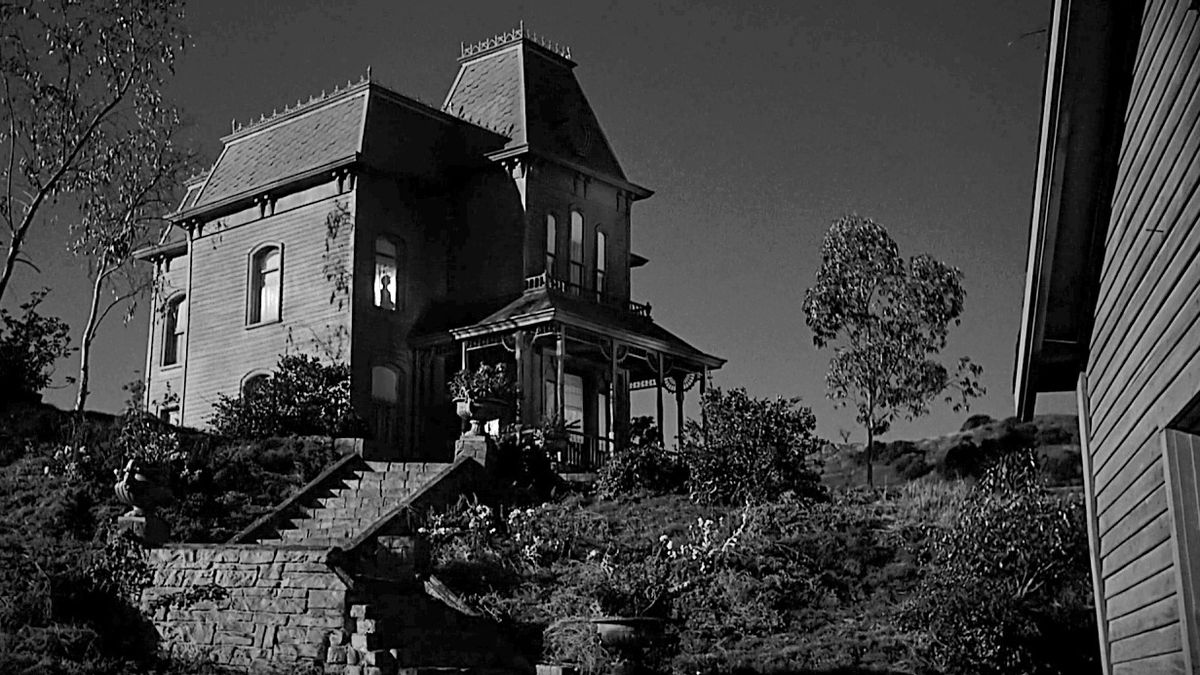
Originally, this post was going to be about the multiple changing of protagonists in PSYCHO (which is another great potential future topic), but the more I read about the film and thought about the impact it’s had since being released way back in 1960, it triggered a totally different train of thought.
Every once in a while, when a classic film is brought up in some context or another, the phrase “That could never get made today” will get thrown in. After the recent death of Gene Wilder, his talent was lauded via the mention of several of his most well-known roles. Willy Wonka. The Waco Kid. Victor Frankenstein (“That’s Fronken-steen.”). His performances were vital parts of each film, which no doubt contributed to making them “classics”.
But, as always, it starts with the script. (Incidentally, I don’t think Wilder gets enough credit for co-writing YOUNG FRANKENSTEIN.)
Examining the stories being told, each one has something truly unique about it, and then some. The writer (and subsequently the filmmaker) wasn’t afraid to take a chance and try something completely new and different. Sadly, the studios today aren’t as open to it. Better to play it safe then take too big a chance, which is why we’re seeing so many remakes and re-imaginings. Of course, that doesn’t always work out either (e.g. 2015’s PAN, the recent BEN-HUR remake).
While there are always original and innovative scripts floating around, it’s a lot of time, effort and money to make a film. The only recent original film I can think of is SWISS ARMY MAN, which I admit I haven’t seen yet.
Who hasn’t read a “truly original” script or about one getting a lot of attention, but a lot of the time the writer will go on to work on other projects while the script that started the whole thing gathers dust?
The best exception to this that I know of is Travis Beacham’s spec A KILLING ON CARNIVAL ROW, which drew a lot of heat when it sold in 2005, then continued to garner praise while it languished in development for years before ultimately becoming an upcoming series on Amazon – at last check, anyway.
Budgets are getting higher, and the gap continues to grow between microbudget features and mega-budget tentpoles. It’s getting harder for original material to get noticed, let alone something that screams out “NEW!” It also doesn’t help that the chances decrease if the script isn’t based on pre-existing material. This could be why today you’re more likely to see an original film that’s a low-budget independent, probably written by the filmmaker themselves.
Before that, your best bet of seeing something groundbreaking would have been at the hands of established filmmakers, only because they had that kind of leverage (and the budget) to get their projects made. An unknown writer doesn’t have that kind of luxury. All we can hope for is to connect with somebody who likes the script (and our writing) so much that they’re actually excited to help us take things beyond the “Sure, I’ll read it” stage.
That’s our objective as writers: to write something that’s not only compelling and involving, but so eye-openingly original that the reader is compelled to the point that they need to see this as a movie. Doable, but definitely not easy.
Homework time! Part one – find a script you really consider a game-changer for the same genre as yours and give it a read. Can you identify what made it so unique? What really stands out for you? Plot? Story? Characters? A little of everything? Another option is if that script has been produced, then watch the film and follow along with the script. Are they the same? Totally different? Do you think the changes add or take away from the script?
Part two – without blatantly copying the style of that script, work on applying a similar originality to yours. Did reading that script inspire ways for you to make yours really stand out?
Don’t be afraid to take chances. Strive to offer up something we’ve never seen before. The results might surprise you, too.
-Special offer just for you!
The fine folks at Script Reader Pro are running a discount for Maximum Z readers on their downloadable screenwriting course Script Hackr.
Forget all the confusing and vague “fluff” found in most screenwriting courses, coverage and books. Script Hackr will skyrocket your screenwriting skills by utilizing rarely talked about hacks and hands-on practical exercises to de-mystify theory.
The course retails at $299, but you can get it for just $99 by using the coupon code M4X1Z3 at checkout.
You can check out more details on the course here:
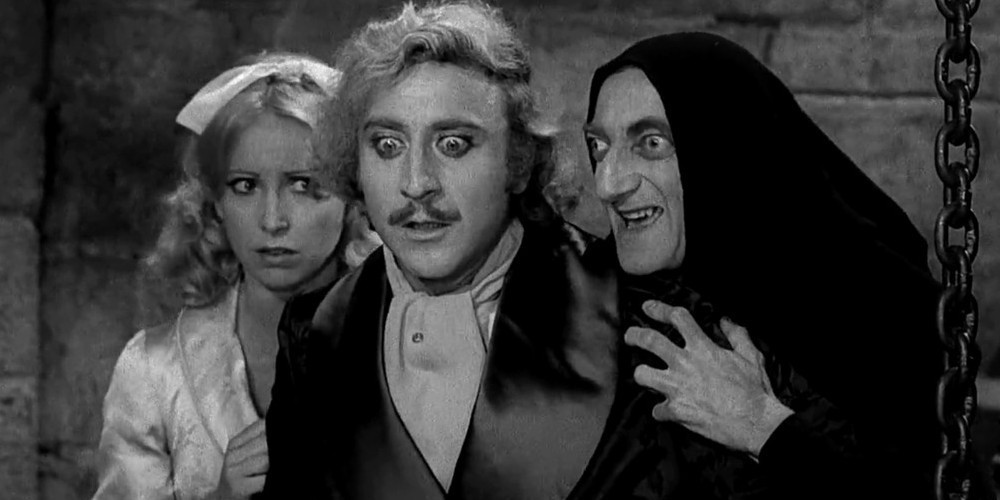
This was originally a clip of “Igor, would you give me a hand with the bags?”, but the greedy jackals at Fox have removed it. This photo proudly takes its place. RIP Mr Wilder
More feedback coming in on the comedy spec, so some tweaking and revamping is underway. Hope to be done with it soon.
In the meantime, I think these previous posts do a more-than-adequate job of summing up what a lot of writers, along with yours truly, probably experience and encounter during this process.



 Maximum Z