That special spark within

roald dahl
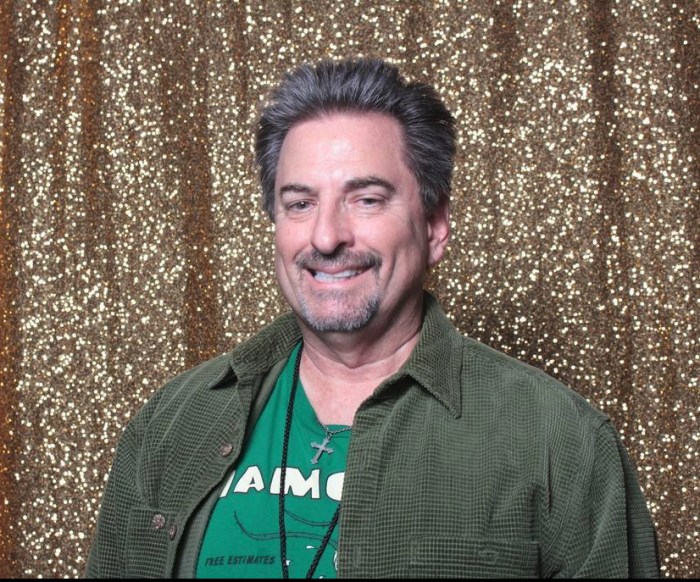
Why is this writer smiling? You would too if you came up with the term “Everlasting Gobstopper”.

This past weekend, I had the opportunity to meet with some fellow Bay Area writers. Among their number was a writer who had written some small stuff, and was in the middle of working on her first big project – a TV pilot.

Even though I don’t know much about writing for TV, I and another writer offered up what advice we could. The recipient was very appreciative, and one of the things she said later on in the conversation made a very strong impression on me.

“I know the first draft isn’t going to be perfect, but I’m just really loving writing this.”

Truer words could not have been spoken.

Like I told her, I write stuff I would want to see. It’s taken me a long time and many drafts of many scripts to feel like I’ve really come into my own. Each time, the end result is a script for a movie I think would be an absolute blast to see play out on the big screen.

It always astounds me when a writer complains about having to write (or rewrite). If you don’t like doing it, WHY ARE YOU DOING IT?

It was genuinely pleasing to hear this writer who, despite the challenges she knew awaited her, was still excited about working on this project. Sure, she was still nervous about doing a good job and hoped the end result didn’t suck too much. No matter how many scripts you’ve written, that feeling never goes away.

But to simply see her face light up while she described the story (which is a real doozy, believe you me) and hear her talk about what she’s experienced so far, including doing the research involved, and learning what to do and not to do regarding formatting, it was just really, really pleasant.

I’m sure a lot of us do this because the title “storyteller” really suits us to a tee. Are some better at it than others? Sure, but instead of being discouraged about what you perceive as a lack of progress, try seeing every time you write as a chance to learn and improve. Because it is. It’s certainly been that way for me, and I strongly suspect I’m not alone in that.

I got the impression our little chat gave this writer an extra little jolt of encouragement that she wasn’t expecting. She doesn’t know when the pilot script will be ready, but I told her not to worry about that and just keep enjoying writing it.

I suspect she will.

-Friend of the blog Andrew Hilton (aka The Screenplay Mechanic) is offering a special deal as part of his stellar screenplay analysis. (Editor’s note – his notes helped shape my western into what it is today)

If you use any of his services, refer a friend, or write a Facebook review of your experience using his services, you are automatically entered to win a free DVD of the motorcycle documentary WHY WE RIDE (of which Andrew was a co-executive producer).

The winner will be chosen on October 1st. The holidays will be here before you know it, and if you or somebody you know loves motorcycles, this would be an excellent gift (as would purchasing some of Andrew’s script services for that special screenwriter in your life).

All the details here.

-My time in the San Francisco Half-marathon the weekend before last – 2:02:56. Disappointing, but still glad I did it. I blame all those uphill stretches in the second half. And probably not training enough.

Next race is coming up in a few weeks in Oakland. Pleasantly flat Oakland. Training a little harder for it, with the intention once again of hoping to break the 2-hour mark.

You can count ’em on one hand (plus an extra finger)

six fingers
This many

In years gone by, when I was seeking feedback on a script, I would ask just about any writer I knew if they’d be interested (along with an offer to reciprocate, of course).

At first that number was in single-digit territory, but eventually crossed into low double-digits.

Definitely way too many. But I was still learning and trying to get as much feedback as I could.

That in itself soon became a double-edged sword. As much as I appreciated everybody’s notes, the amount of conflicting opinions (Person A: Do this! Person B: Don’t do this!) kept getting bigger and bigger.

It got to the point where I couldn’t stop second-guessing myself, which was definitely not helping.

So after the last set of notes came in on the latest draft, I decided on taking a different approach next time. For my own sake.

Taking a look at my list of names, I evaluated each person on it. How were their notes? Insightful? Just okay? Even if I didn’t agree with everything they said, did their notes have merit?

Doing all those reciprocal reads also played a big factor. Does their writing indicate they have a solid grasp on the craft? Simply put – do they know what they’re talking about?

The number of names was soon whittled down to a respectable half-dozen; six writers I think are very talented and who have each made good headway developing their own careers. The notes each one has provided me have been extremely helpful in improving both my writing skills and my material.

It’s also gotten to the point where it’s not an uncommon thing for one of them to ask me for notes on their latest project before they send it out.

When I wrapped up the first draft of the pulp spec this past weekend, my first instinct was to immediately contact the group. But time and experience has taught me that patience pays off. I opted to go through it again, editing and making appropriate fixes. This way, I’m sending them a better draft, which means less work for them. Their time is valuable, and I want to respect that.

I’ve seen writers on forum groups asking the community if anybody would be interested in reading their latest draft. That’s fine, but I think it’s a little too risky. Without knowing how much experience the other person has, you might end up hindering your progress, rather than advancing it.

I can’t stress it enough: take the time to build up you network. Establish your own core group of writers you think are exceptionally good. Be more than willing to read their stuff. Take their notes to heart. In turn, both of you will be better writers for it, each creating better material.

Q&A w/Phillip Hardy about Hosting vs DIY

Phil Hardy

Phillip E. Hardy is a four-time optioned screenwriter who also runs The Script Gymnasium script consultancy. His work has recently been presented to Jay Roach, William Morris Endeavor, Tyler Perry Productions and A&E Network. He has placed and won at 45 film festivals and contests including Page International, Austin Film Festival, Cannes Screenplay, Shore Scripts, Screencraft, Beverly Hills Film Festival and Sunscreen Film Festival.

Today’s post stems from a discussion between Phillip and myself regarding the benefits and drawbacks of posting your script on a hosting site or taking a more proactive role and doing the work yourself.

You’ve had some experience with both handling your own material and hosting sites. Do you find one to be more effective than the other, or is it more of a case-by-case basis?

I’ve had varying degrees of success with different hosting sites. But it’s a total crapshoot, especially with paid hosting and pitching sites. One of my colleagues swears by Virtual Pitchfest (VPF). And, at 10 bucks a pop for a pitch, they look attractive to writers on a budget.  I’ve done ten pitches at VPF and though I received some very good feedback on one of my period piece dramas, nobody at that website has requested a script read.

When I first started out, I used Project Greenlight (PG), which was expensive and the responses I received were very sloppy and unprofessional. I did get one read request from a video game company. But I would never use PG again. I know of nobody who has scored with them.

Don’t ask me about the Black List. Okay, I’ll tell you. I hate them and everything they stand for. However, if you wish to pay their reviewers (frustrated writers with their own axe to grind) seventy five dollars a pop to review your script, then that’s the site for you.

International Screenwriter’s Association is fairly inexpensive for a premium listing. However, anyone that uses them can call themselves a producer or director. I’ve made several connections there but they led me nowhere and have netted no financial remuneration.

I’ve also hooked up with a few folks on Craigslist (CL), which can be a real pain and you have to answer a lot of adds to get any action. One of the best connections I made on CL was with one of the stars of the TNT show “Falling Skies”. So you never know who you’re talking to but you should vet them out before sending them your scripts.

I’ve had my best luck at Inktip, which allows you to list a script for four months at a price of sixty dollars for four months. Producers at Inkitp shop loglines and will read your summary or request a script read if they’re interested in your spec material. For example, I had multiple logline reads today and two of them read the synopsis as well. However, a lot of Inktip clients troll loglines and do little else. I’ve had a number of script downloads, which have also netted zippo. However, the Inktip Newsletter has been much more effective for me. The price is the same as the listing. The difference is you can pitch producers looking for specific genres and concepts. I’ve also written pitches for these clients, which led to a script option and three right-to-shop agreements with a producer that got my work into the hands of some big time production companies and cable networks. I’ve also bullshitted people and told them I had scripts I hadn’t written yet. And then banged them out in a week. This method is not for the faint of heart.

I’m sure most writers know that Amazon Studios has an open door policy about submitting television and feature screenplays. Unfortunately, that door leads to oblivion. And if you can locate one unproduced writer that has something produced by Amazon, I’ll buy you lunch at my local Sonic drive-thru. Several months back, I did some research on this and could find no unproduced writers who have made it out of development purgatory. And by unproduced, I mean you’ve never had a big budget movie made from one of your screenplays.

Lastly, I’ve used Stage 32 for paid pitch sessions and gotten script requests from four major players including Ridley Scott Productions and Good Fear Management. But if you do a written pitch, you better make sure your logline is catchy, your synopsis is clear and concise and you include the character arc for your protagonist.

The bottom line is use any means possible to get your work into the hands of people you are looking to make movies.

If you’re going the DIY route, what methods have worked for you?

Smack-talkin’, bold action has worked best for me. I hooked up with several producers looking for projects by telling them I had scripts already written about things they were looking for, including a story about Michael Rockefeller, who disappeared in the Papuan Islands more than fifty years ago. In this particular instance, the producer was advertising and I wrote a logline and synopsis in three hours and pitched it to the guy. He optioned the screenplay I wrote in six days.

In another instance, I did the same thing with another producer looking for an Angela Davis screenplay. However, when the producer asked me if I had a script, I said “sure, it’s sitting on the shelf with my screenplays about Huey Newton and Eldridge Cleaver.” He got the joke and we wound up working together on several different projects. The DIY Method should include whoring your wares at any given moment and making as many connections as you can. Also, make friends with writers like Paul Zeidman.

Never heard of him. Keeping that theme going, what do you recommend when it comes to using hosting sites?

Passive hosting sites where you don’t aggressively work the leads may be a waste of time. Just listing a script without supporting efforts offers little chance for anything happening to further your career.

What’s your opinion of hosting sites overall?

If you’re not living in Hollywood and getting meetings with producers, hosting sites, along with promoting yourself vigorously and IMHO, competing in film festivals and script contests to relentlessly build your brand, can be a very useful tool to get you access to producers and agents. As a direct result of hosting sites, I’ve had material read by A & E, History Channel, Emmett Furla, William Morris Endeavor, Jay Roach, Tyler Perry Productions, Ridley Scott Productions, Zero Gravity, Good Fear Management, Zane W. Levitt and many others.

After putting your script on a hosting site, what should you NOT do?

Don’t nag the contacts you make. Don’t be a pain in the ass if someone’s interested in your work.

As an experienced writer, what tips would you like to pass along?

-If you’re a delicate, sensitive woodland creature, then scriptwriting isn’t for you.

-Learn to suck up constant rejection. Never spend more than a few hours wallowing in rejection or failure. Remember, opinions are like assholes, everyone has one. With each setback, learn how to sally forth with renewed vigor.

-The best cure for rejection is writing; particularly if it’s better writing.

-Sometimes a script just sucks. Everyone thinks they have a great idea for a script. More often than not, they’re wrong. Sometimes a script just sucks, no matter how many times you rewrite it. Therefore, don’t attach yourself to any one effort too much. It may take writing fifty scripts before you find something that really resonates with readers.

-If you see writing scripts as a path to riches and fame, you may wish to consider other options.

-There ain’t no such thing as writers block. There are only writers that write and ones that don’t. Look at Bukowski. Drunk or sober, he did great work every day of his life.

-Writers who build relationships, maintain their humility and help their colleagues will do better than ones who don’t.

-If you keep losing script contests, then write better scripts until you win one.

-Read books, take classes, seminars, and good advice about scriptwriting and then march to your own creative drummer. If I listened to every asshole who told me I couldn’t do something, I’d never accomplish anything.

What are some absolute “Do NOTs”?

-Don’t tell anyone “this is my first script”. But don’t think you’ll set the world on fire by writing one script.

-Don’t write something because you think it will have commercial appeal. Write something you believe in.

-Don’t worry about what everyone else is doing. Endeavor to be an original.

-Don’t ever rest on your laurels. Keep writing until it becomes second nature AND you can produce even under the most adverse or stressful conditions. You may one day have a job that presents you with just that set of conditions.

Try the direct approach

handshake
Nice to see you again. Mind if I ask you something?

Sometime last week, I received a very nice compliment via on online forum regarding the quality of the script notes I give. A mutual associate of ours chimed in with the grumbly “Well, he never does it for me.”

To which I responded “Because you never ask.”

I don’t know what this writer’s standard M.O. is for getting notes, but from what I can gather, usually involves them posting “Anybody want to read my stuff?”

There’s nothing wrong with that, but the drawback is you run the risk of getting feedback from somebody with less experience than you, or worse, has no idea what they’re talking about.

This is why networking and establishing relationships with other writers is so important. If someone posted a generic request for a read, I’d be less inclined to respond. Even if I knew the person. I figure they’ll probably get a few other responses, so why bother?

But if someone came to me specifically and said “If you have the time, would you be able to read this?”, I wouldn’t hesitate to say yes. This shows me that they value my experience and opinions, along with respecting that I can’t simply drop everything to accommodate them. They’ll also include an offer to read something of mine, if I’m interested.

Sometimes I’ll get an email asking me for a read, and it might be because of any number of reasons. They’ve read my stuff before and think this new script is similar. They know I have an eye for fill-in-the-blank. All of this could only have come from myself and this other writer having already established a good professional relationship.

While I always encourage writers to get out there and network, it’s also important to build on those connections once you’ve got them. You don’t have to become somebody’s best friend, but being supportive or offering the occasional words of encouragement really go a long way. Plus, people are much more likely to remember that sort of thing, adding to the likelihood they’d be willing to help you out.

More than often I’ve read about another writer’s projects and introduce myself, tell them how I found them (usually via the forums) and of my interest in the script in question, then ask if they’re cool with me taking a look at it. It’s a rare occurrence when someone says no.

Both of you are writers constantly striving to improve, and some good, solid feedback can play a big part in that. And that can be best achieved by getting to know other writers and treating with the same respect you’d expect to be treated with yourself.


You don’t know me, but can you help me?

the-stranger
Let’s not complicate things with petty details like who I am

So this email arrived yesterday.

“Hi, Paul, Do you know any past or current Executive Producers that might be eager to engage in a new multi-billion dollar franchise that could be as good as “Harry Potter” or “Star Wars”?”

Immediate smartass answer: Well, of course I do, person-I’ve-never-communicated-with-before! I like the cut of your jib, especially with that totally unsolicited request for help! I’ll pass your info along straightaway! Even though I think smoking is a totally unhealthy thing, I’m going to learn how just to be able to literally light cigars with hundred-dollar bills which I’ll be grabbing out of the huge bags o’cash which will no doubt be continuously rolling in once Hollywood gets its mitts on this!

Secondary upon-reflection answer: Do you really think this is the best approach?

Sure, we’ve been connected on a networking site for several years, but as far as I can recall, have had absolutely no interaction during that time. No emails. No comments on a post. Not even a single “Hey, how’s it going?” And then, totally out of the blue, you come to me and ask for help.

I’m more than happy to help somebody out when I can, but it has to be somebody I know, somebody I’ve communicated with, and somebody I think is worth helping. Apart from this nebulous “connection” we have, to me you’re little more than a total stranger.

And you’re not asking for just any kind of help. You have what you proclaim to be “the next big thing”. If I had a dollar for every time I’ve heard or read that about a script/story/idea, I’d be able to fund my own franchise.

It’s great that you have a high opinion of your material, as you should, but keep in mind you might be the only one who does. You can prognosticate all you want, but that’s not going to impact anything. You can’t say something’s going to be a hit because you want it to be.

I’m still a little fuzzy on the details, but I think the title “Executive Producer” depends on the extent of that person’s involvement with the project. Until then, I believe “producer” is the appropriate title. Feel free to enlighten the rest of us in the comment section.

Let’s also discuss the fact that you sent this to me. Me. Why? I’m not exactly Mr Industry Insider. In fact, I’m more likely in the same boat as you; a nobody busting his ass trying to establish a career. Did you know that? Did you do any research, or are you just sending this to as many people as possible, hoping one of them works out?

I never responded to the email in question, simply because I don’t think it’s worth it. I suspect anything short of “Here are those names you asked for” would not be welcome, let alone “This is a really unprofessional email, and here’s why”. As always, I wish them the best of luck.

I’ll admit I’ve made a lot of mistakes over the years, but each one has been a learning experience unto itself. I’ve learned how to network, how to communicate, and how to interact. I know how to seek out help and how to offer it. I’m a firm believer in researching and finding out everything I can about whatever it is I’m working on.

I always strive to be as professional as I can when it comes to this sort of thing. Everybody’s a potential future partner/connection/resource, but I don’t take it for granted.

I’ll treat you with respect provided you do the same.