Q & A with Heidi Hornbacher of PageCraft

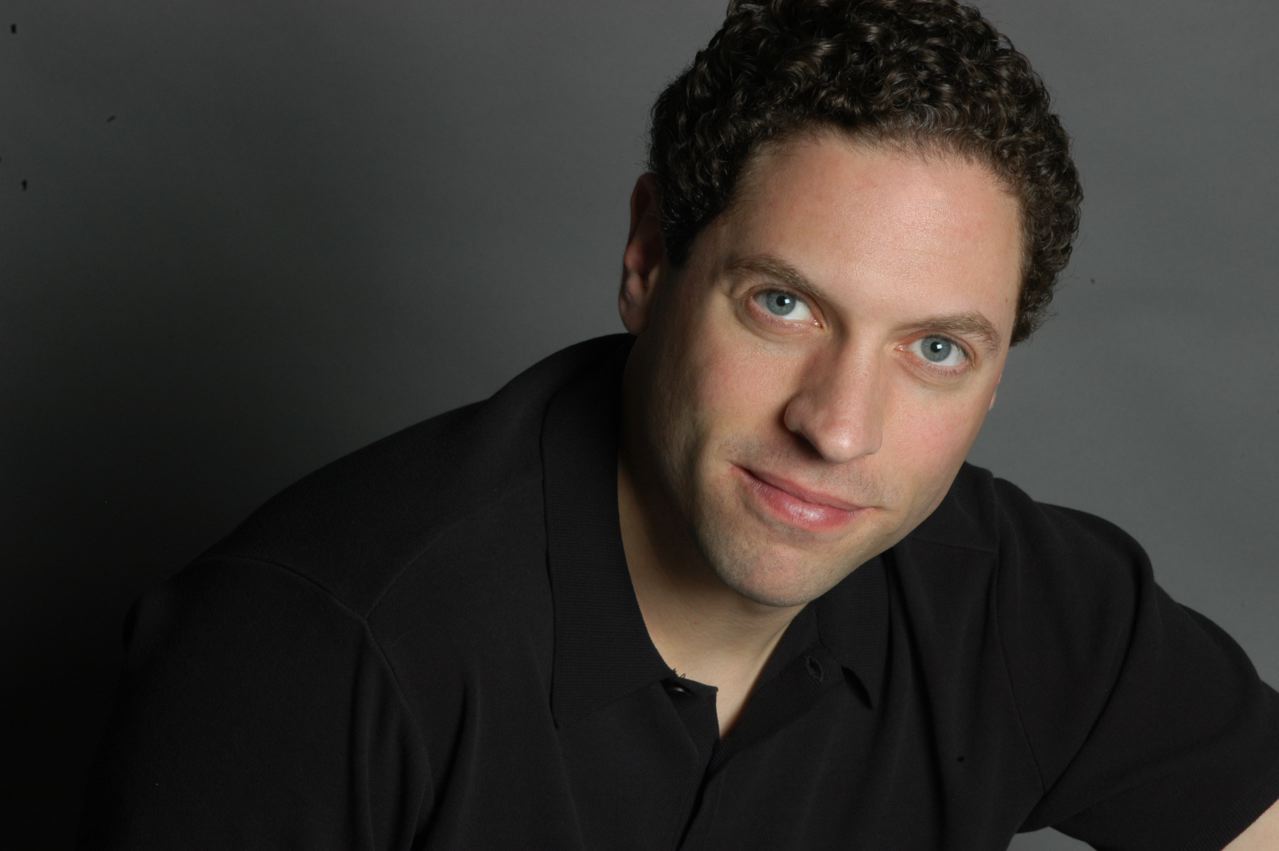
A graduate of UCLA’s screenwriting program, Heidi Hornbacher has written numerous features, treatments, and TV pilots for various independent producers. She’s judged for the Slamdance Film Festival screenwriting contest and co-founded the Slamdance Script Clinic. She and her husband founded PageCraft Writing in 2008, offering script coaching and writing retreats in LA and Italy. Her clients include Emmy winners, TV legends, and brand new writers too. Heidi has written, directed, and produced numerous commercials, music videos, and electronic press kits for various artists. She’s currently making a documentary film about British artist Paul Whitehead.

What’s the last thing you read/watched you considered to be exceptionally well-written?

There is so much great TV right now. I was mesmerized by I May Destroy You. Anything that makes me say “wow, I could not have written that” I love. I had a Kenyan writer on my podcast recently and she noted that it was a very African storytelling style which I found particularly interesting. 

How’d you get your start in the industry?

I moved to Los Angeles to go to the UCLA Professionals Program in Screenwriting at night and landed a day job at Paramount as a president’s assistant. From there it was a lot of reading, learning, developing skills, and networking. And just making things without waiting for permission.

Is recognizing good writing something you think can be taught or learned?

I think this is absolutely something that can be taught. If you have a natural instinct it helps but you can train your eye to spot things the same way a sommelier trains to spot subtle flavor differences in wine. When I first started reading for contests I would decide to advance or decline a script based on instinct, but had to develop the facility to be able to say why.

Once I could could point to things like unmotivated dialogue, a major story turn being on the B story but missing from the A story, unearned reveals, etc. it helped me codify those elements into my own writing and into a teachable curriculum for PageCraft.

What do you consider the components of a good script?

Solid characters that have been well developed with clear goals, and positive and negative stakes to achieving those goals. Scenes that work hard to move your story forward and don’t just sit there. Even in a reflective moment, we should be learning something new about the character or they should be learning something about themselves. Every scene having a clear Goal-Obstacle-Outcome, or what we call GOO structure. Yes. EVERY SCENE.

What are some of the most common screenwriting mistakes you see?

Where to begin? The most offensive mistakes are things like not spellchecking (how hard is that?) and grammar errors. Those tell me you just don’t care about your craft or my time, so why should I give my time to looking at your craft?

A lot of scripts that are findable online, etc. are shooting scripts rather than original scripts so I see a lot of bad habits writers pick up from those such as writing in edit and camera direction. There should never be a CUT TO or CLOSE UP ON in your original script. Every slug line implies a cut so there’s that, and you should be able to imply the angle and type of shot by how masterfully you work your action lines.

I see a lot of over-directing the actor from the page. Unless a movement is key to the plot, don’t tell your actors how to move their bodies. The hardest thing about screenwriting is getting your head around the fact that it’s a collaborative art where we often never meet our collaborators because they come in after we’ve done our part. Learning to trust that your actors are going to bring nuance and physical choices to the role can be like a trust fall. If you’ve written the script well with clear context for what that character is going through, the actor will run with it.

What story tropes are you just tired of seeing?

Aside from lazy things like the detective with the board full of photos connected by red string, I’m really tired of societal tropes; rape as a motivator for why a female character becomes stronger, stories that only view Black characters as suffering characters. Can we move on? We’re more nuanced as humans so our stories should be too.

Then there are just overused dialogue lines like “it might just work”, “that went well”, and “we’re a lot alike, you and I.” We actually have a powerpoint with stills from over 40 films and shows illustrating how overused that last one is.

What are some key rules/guidelines every writer should know?

-As I said above: Make sure there is GOO (Goal-Obstacle-Outcome) in every single scene.

-Make sure you have a solid structure and outline before you start writing. You need a roadmap!

-Make sure you’ve done your character work and understand what motivates them. Make sure you’ve done as much work for the antagonist as for the protagonist so the struggle is worth your protagonist’s time. 

-Make sure every major story turn occurs on the A storyline – the external story. Turns on the B and C storylines can serve as point and counterpoint to that but if a turn is missing from the A story, the narrative will feel off and it can be hard to see why. 

-Remember that a script is a blueprint for a visual story and as such everything in it needs to be visual and filmable so no internal writing about what a character feels or remembers – we should get that from how you externalize those feelings. 

-Break up action line chunks by story beat, audience focus or implied new camera angle so they stay below 5 lines each and keep the reader’s eye flowing down the page.

Have you ever read a script where you thought “This writer gets it”? If so, what were the reasons why?

All the time! It’s clear when a writer just doesn’t know the rules versus a writer who knows the rules and breaks them creatively. These tend to be scripts with thoroughly developed characters, great pacing, and a satisfying emotional catharsis. They are scripts with a clear point of view and strong positive and negative stakes for the characters. Their message is the byproduct of a great story and not the sole reason for the story (i.e. the story isn’t preachy).

How do you feel about screenwriting contests? Worth it or not?

It depends. If you do well in a big one, you can get noticed. The right ones can help you get representation or otherwise forward your project. For example, one of my clients just won the Nicholl. She will get lots of meetings off of that.

There are obviously a ton that are a waste of money but it can boost your confidence to get those laurels. There is a backside to that too. When I see scripts in competition with laurels on the title page (DO NOT DO THIS!), it’s like they’re painting a target on themselves saying “find reasons to tear this down” and, except in the rare occasion when it’s a stellar script, we always can.

How can people find out more about you and the services you provide?

Visit us at PageCraftWriting.com. Our next round of script workshops starts in January, we offer one-on-one consulting services, and check out our Hearthside Salons podcast (on Podbean and iTunes) featuring conversations with writers, directors and other creatives.

Readers of this blog are more than familiar with my love/appreciation of pie. What’s your favorite kind?

That’s like asking me to pick a favorite sunset. I love anything fruit-related and made some killer loquat-ginger pies this spring. But I love pecan and pumpkin so I’m happy it’s that time of year. More pie!

Q & A with Naomi Beaty of Write+Co

Naomi Beaty is a screenwriting teacher and consultant who works with writers, producers, and directors at all levels to develop their film and TV projects. Naomi has read thousands of scripts and worked with hundreds of writers, first as a junior development exec at Madonna and Guy Oseary’s Maverick Films, and currently through group workshops and one-on-one coaching.

She also wrote the short, actionable guide Logline Shortcuts: Unlock your story and pitch your screenplay in one simple sentence.

What’s the last thing you read/watched you considered to be exceptionally well-written?

I’ve been bingeing a lot of series over the past several months (who hasn’t?) and the three I absolutely fell in love with have been The Great, Mrs. America, and The Queen’s Gambit.

And I was blown away recently by a script I read for a client, but I haven’t asked if it’s okay to mention him here, so I won’t. But if anyone’s looking for an amazing boxing movie, I’d be happy to connect you!

How’d you get your start in the industry?

Like a lot of people, I went the assistant route. I worked for a producer-manager, which was a great introduction to how the industry works. And then moved into development at a larger production company, which was a real education. 

Is recognizing good writing something you think can be taught or learned?

We all have gut reactions that tell us whether a story moves us, right? But being able to read a screenplay and understand whether or how it’s working takes some experience. So there’s obviously something to be said for whether a screenplay gets an emotional response from you, but we shouldn’t stop there. It takes time and effort and a lot of reading analytically in order to truly understand what makes writing “good.” 

What do you consider the components of a good script?

A strong concept, structure that delivers a satisfying experience, characters we care about and invest in who are transformed by the events of the story, clear, meaningful stakes, dialogue we actually want to hear. And all of those things working together in a way that makes us feel something.

What are some of the most common screenwriting mistakes you see?

There are a bunch that I think fall under one big umbrella, which is: forgetting that you’re a storyteller. We want you to guide us through the story, direct our focus, tease out the tension, all to achieve the effect you want. It’s easy to overlook when there’s so much that goes into just figuring out how to put a story together, you know? But the delivery of it can separate good from great.

What story tropes are you just tired of seeing?

The clumsy hot chick comes to mind. It’s right up there with “beautiful but doesn’t know it.”

What are some key rules/guidelines every writer should know?

I often joke that there are no rules in screenwriting… except these three:

1. Don’t confuse us.

2. Don’t bore us.

3. Make us feel something.

Other good guidelines:

– Know what story you’re writing. That doesn’t mean you have to know on the first draft – sometimes it takes time to figure it out – but until you know, that script is going to be a struggle.

– Make sure you share that story with the audience. We need to clearly understand who wants what, why they want it, what they’re doing to get it, and what’s stopping them. It sounds basic, but you’d be surprised how few scripts really nail all of those pieces.

– Start with the strongest concept you can. It’s something that’s tough to correct for later on.

– Learn how to build and escalate emotional stakes! I don’t think I’ve ever read a script that wasn’t better for it.

– Finish your screenplays whenever possible. Abandoning something halfway through because it doesn’t seem to be working means you never get the chance to learn why it isn’t working, how you could fix it, or what you should do differently next time.

Have you ever read a script where you thought “This writer gets it.” If so, what were the reasons why?

Yes! The script doesn’t have to be perfect, but when it’s clear that the writer knows how to put a story together and can convey it in a way that it feels like a movie – then I know that writer gets it.

How do you feel about screenwriting contests? Worth it or not?

Some are, most are not, but in the end it really depends on what you mean by “worth it.” If you’re just looking for a reaction from a fresh set of eyes and a sense of how your script stacks up against others, there are a number of contests that can offer that.

If you’re looking to actually move the needle in your career, there are very few contests that are worth the cost of entry.

How can people find out more about you and the services you provide?

The best place to find information about my services and workshops is my website! writeandco.com. I also have a short ebook that’s available for free on Amazon, called Logline Shortcuts.

Readers of this blog are more than familiar with my love/appreciation of pie. What’s your favorite kind?

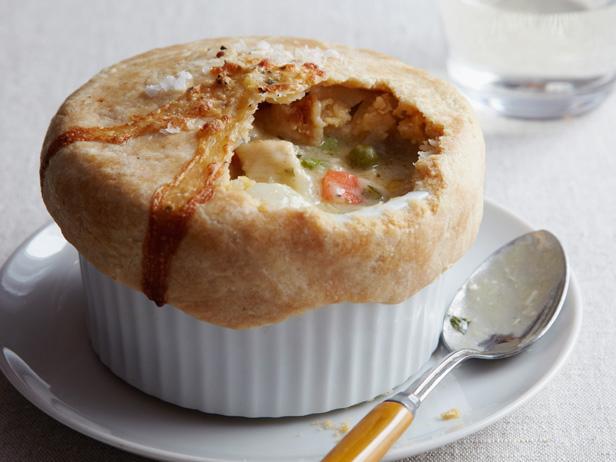
If I’m allowed a savory choice, I’ll take a chicken pot pie. But for dessert, chocolate cream pie with graham cracker crust, please.

Q & A with David Wappel

David Wappel is a screenwriter and story consultant. He recently wrote the screenplay for Long Gone By, now available on HBO MaxAmazon, and iTunes. Wappel worked in production and post-production for five years before turning to writing. His stories often feature themes of private courage, nostalgic longings, and contradictions.

He has consulted writers, producers, game developers, and others on their narrative work. In addition to screenwriting, you’ll find Wappel talking about Tolkien, Shakespeare, or sailing.

What’s the last thing you read/watched you considered to be exceptionally well-written?

This is a tough one for me, because I watch or listen to at least one Shakespeare production a week, and it’s hard not to just answer with one of his plays.

So setting the Bard aside, the last thing I watched that was exceptionally well-written was an episode of Star Trek: Deep Space Nine titled The Visitor. Written by Michael Taylor, it’s the second episode of season four of the series, and it’s deftly simple and incredibly human.

I also recently rewatched Dead Again, written by Scott Frank. I’ve already seen it a handful of times, but I wanted to share it with my parents. What I love most about the script is the way it continues to surprise throughout, with twists and turns both big and small. It’s like a rabbit hole that just keeps going down.

Oh, and if I’m not setting Shakespeare aside, the answer is The Globe’s 2015 production of The Merchant of Venice.

How’d you get your start in the industry?

I actually first started out working in post-production in Atlanta. I was an editor for a small production company. Editing is just writing with an extremely limited vocabulary. As an editor, you can only storytell with what is provided, and it’s actually pretty amazing how much power you have to manipulate the moments by organizing shots in various arrangements.

So when I made the pivot into writing, I had already been looking at story as sequential bits of information, and it helped me understand how to build a moment, a scene, a sequence, or a story, piece by piece.

Is recognizing good writing something you think can be taught or learned?

I’m going to be a bit cheeky and say it doesn’t have to be taught or learned. We already know when something is good writing from our emotional reaction. Humans are designed to have stories act on us emotionally. So instead of looking at a text and deciding if it is good writing or not, all you actually need to do is read it and look at yourself. If you’re responding to it, it’s good writing.

What isn’t as apparent, but can be taught and learned is why something is good writing. One can study the patterns and structures, micro and macro, that seem to crop up again and again as effective ways to produce emotions in the audience. Writing, I believe, is both an art and a craft, and has tools and techniques like any other craft. How to employ those tools and techniques can be taught. Why to employ those tools and techniques is a little bit trickier, because it’s far more subjective. That’s what makes it art.

What do you consider the components of a good script?

When I’m reading, I’m looking for a few things. One thing I find myself sensitive to is honesty. Are the characters acting in ways that feel truthful. And that doesn’t mean it has to be grounded, but it has to be truthful to the established world.

I’m also looking for specificity. Whether it’s a feature or an episode of television, I value a script that is doing a “deep dive” into a specific aspect of the human condition. That may sound like it needs to be profound, but it doesn’t. It just needs to be specific. Mediocre scripts tend be about a general idea, but the great ones take a very specific idea, and explore it fully.

On a technical level, I value clarity. Not only do I want to visually understand what is happening, but particularly for the screen, I want to have a good sense of how I’m seeing it. For me, that’s the biggest thing that separates screenwriting from other forms of writing, even playwriting. It’s the explicit visual component, and the limitation of the lens. I don’t need every shot selected, but I want a sense of how this will unfold on a screen.

In my opinion, a major component of a good script is restraint. I’m looking for human behavior, and nothing else. I want to see what characters are saying and doing, and draw my own conclusions. When I read a screenplay that tries to tease out meaning in the action lines (or even in the dialogue sometimes) I find myself checking out. It feels a bit like someone grabbing a puzzle piece and fitting it into the slot for you. People don’t do puzzles just because they like how it looks when it’s complete, they enjoy the act of completing it.

What are some of the most common screenwriting mistakes you see?

I think the most common screenwriting mistake I see is more of an artistic mistake than a craft mistake, and it’s basically not having a specific enough answer to the question, “What are you trying to say?”

Corollary to that question is this one: “Why do you want to say it?”

Those two answers can act as guideposts for a writer, and will help navigate story choices. Without some reflection on these, a technically proficient story will end up vague and dull.

What story tropes are you just tired of seeing?

Honestly, none of them. What I’m tired of seeing are tropes lazily explored. Tropes are simply common patterns that are emotionally effective. What often happens is that more than the underlying pattern gets repeated, and we get bored of seeing the same thing over and over again.

For me, the key to keeping tropes fresh is to understand why they are tropes in the first place. What is the pattern beneath it? There’s clearly a satisfying story element there, and going in the opposite direction to avoid a trope may be going in the opposite direction of that satisfying story element. You want to understand how it’s working so that you can approach it, then zig-zag away in a specific way. You’ll get all the benefit of a story pattern, without it feeling stale.

All that said, I’m completely over the “wife killed, husband wants revenge” trope.

What are some key rules/guidelines every writer should know?

This is in no way meant to be comprehensive or authoritative, but these are some guidelines I try to go by when writing.

-Writing is 90% thinking and feeling, and 10% typing.

-Melodramatic writing is not fixed on the page it occurs. It is fixed in all the pages preceding it, and then on the page it occurs.

-A character’s voice and a character’s worldview are two different things.

-People are different versions of themselves depending on who else is in the room. Characters should be the same.

-Adjectives and adverbs may point to opportunities for stronger nouns and verbs.

-Always be reading.

-Wardrobe, makeup, props, and production design all provide storytelling tools. Make sure you’re using them.

-Turn off the critic for your first draft. After that, question every word.

-When approaching a problem, see if it can be solved first by removing lines, rather than adding lines.

-Understanding how your characters interact with the world outside of the story of your script can provide insight for how they interact with the world within it.

Have you ever read a script where you thought “This writer gets it”? If so, what were the reasons why?

Plenty of times, and while I’m sure it’s different for everybody, for me  the answer is in showing simple, specific moments of humanity. When I feel like a writer lasers in on something small, and then continues to explore each facet of it through a sort of narrative microscope, then I feel like I’m in good hands.

How can people find out more about you and the services you provide?

You can check out my website, davidwappel.com, and while I have a page on there about my services, it’s also about me as a writer. The best way is probably to connect with me on Twitter.

Readers of this blog are more than familiar with my love/appreciation of pie. What’s your favorite kind?

Apple, by a mile.

Q & A with Michael Lipoma

Michael Lipoma is a WGA writer and a producer whose scripts have placed in the semifinals or higher in every major screenwriting competition, including winning Best Feature and Grand Prize at SLAMDANCE last year. With experience writing on assignment for features and television since 2010, Michael enjoys backing his characters into corners, forcing them to fight their way out or die trying.

He has developed multiple producers’ original ideas into commercially viable screenplays and pilots. He is co-creator and co-writer of a new television series currently in development in New Zealand. He is the lead producer on a feature film project currently in partnership with an A-List actor’s production company. Before writing and producing full time, Michael was Vice President of a $150M company. He also finds writing in the third person a little weird.

What’s the last thing you read or watched that you thought was incredibly well-written?

I have been binge watching The West Wing, and am dazzled by the dialogue–but it’s more than that. Sorkin doesn’t just write great dialogue–it’s the situations he places the characters in that give great dialogue even greater depth. And the dialogue wouldn’t be as meaningful if he hadn’t made these characters people we care about.

How’d you get your start in the industry?

I wrote spec scripts. Bad ones. Then I went to school and learned the craft. Then I just kept writing. While working on a script with a partner, we met a producer at AFM, and within 24 hours, we had a handshake deal to write a feature based on her original idea. That script was The Fall, and last October, it won Slamdance Grand Prize and Best Feature. But that makes it sound too easy. That journey started seven years ago. We attached another producer, have been through more page-one rewrites I can imagine, and have gotten–and incorporated–notes from many, many people.

Is recognizing good writing something you think can be taught or learned?

I believe recognizing good writing can be taught and learned–and you don’t need a teacher. The way to recognize good writing is to read ALL writing. I’ve learned more from giving really deep notes to scripts that were in terrible shape, than reading great scripts. Read every script you can, and when you read something good, you’ll feel it. It’ll sing to you from the center of your chest. But read all of it. After a while, you’ll internalize what’s good and what to stay away from. You’ll feel when a story turn is necessary. And you’ll realize that when watching a movie. I can’t tell you how many times I’ve hit pause on a movie, checked the timer, and said, “Yep. That’s midpoint.”

What do you consider the components of a good script?

The obvious, of course: structure, dialogue, making every syllable mean something. A story that turns, and delivers on the promise the writer made in the premise or opening. Also, a great opening. A killer first page. I’ve been working as a producer for the past five years, and I know within a page whether the script I’m reading has a chance at getting me interested. I do read all the way through, but I’ve always been able to tell within a page or two how it’s going to go. Haven’t been wrong about that yet.

There’s one more component, and it’s just as important to me as any of the other factors that make a good script, and that’s what people are calling today, “voice.” I read a lot of scripts, and many deliver what a script should deliver: Compelling characters, solid structure, serviceable dialogue. All good stuff. But when I read a script with an original voice, that delights me, and makes me want more, more, more!

I’ve also found that writers with a unique voice are fun people to hang with. And when you option a script, you’re going to be hanging with the writer for a few years, and hopefully you’ll end up friends for life. Also, I recognize I’ve strayed a bit from the original question about components of a good script. I do that. I stray.

What are some of the most common screenwriting mistakes you see?

Big blocks of action with no white space. My job as a producer is to read a script all the way through–but when I see solid pages of text, I take a breath, because I know it’s going to be a slog to get through. That’s not to say the script might not be great, but if I can offer advice to writers, make hitting the return key one of your best friends. Your reader will love it.

Another mistake is having dialogue move the story forward. In these cases characters usually tell each other what’s happening or how they’re feeling. That means everything’s on the surface.

What story tropes are you just tired of seeing?

Movies starting at funerals–ugh. Seen it too many times. Watching a big, surprising reversal or twist and discovering it was a dream (that happens more in TV, but still). Also, movie shorthand: a woman throwing up = she’s pregnant. You see a woman SPRINT to the bathroom and barf. Next scene: she’s pregnant.

Another trope that’s actually harmful in my view is when you see scars on someone that indicates they’ve been “cutting” (non-suicidal self-injury), and it’s just “movie shorthand” for a “troubled” teen, or a violent character about to shoot up a crowd. That easy-way-out character development is not only lazy, it stigmatizes people with mental health issues. It needs to stop.

What are some key rules/guidelines every writer should know?

1. If you want to write what speaks to your heart, you should absolutely do so. You get to write whatever you want. But…if you want to sell, or make writing your career, you should understand what the marketplace wants. And I’m not talking about chasing trends. I’m talking about a script with a recognizable structure (I believe humans are hard-wired to respond to structure), a story that makes us want to know what happens next, and a satisfying ending. Oh, crap. I strayed again.

2. Spend as much time on your concept as you possibly can before putting a single word to the script. You’re going to spend the next few months writing this script–make sure the concept is firing on all cylinders before you commit to it. If you do this, you will discover a lovely surprise: people will probably love your script.

3. Sort of a continuation of 2: before I dig into a new spec script (whether TV or feature), I test the concept. I tell it to people and watch them react. Then, I refine it. What’s nice is at this stage, I’m not invested in any great scenes–it’s just a few sentences, so nothing’s precious. Once I get a concept, and I’m satisfied it’s working and marketable, I write the pitch. Straight from concept to pitch–before writing one word of the script. This does a couple things: it helps me discover cool, hooky moments (that only seem to show up when I’m writing a pitch) and it helps me know where I’m going when I start outlining. I think this solves the problem I faced for so many years: writing loglines and pitches after the script is written.

4. This may not work for everybody, but most successful writers I know do this: outline. Outline, outline, outline! You can start at the end, middle, or wherever, but do yourself the favor of writing a solid outline for your script. This is one of the most freeing things a screenwriter can do. It also keeps you from getting blocked or stuck because you always know where you’re going. My analogy for outlining is this: it’s like an actor getting off-book with their dialogue. Once they’ve memorized the dialogue, and it flows through them, only then can they bring the real bits of themselves to their performance. Same with outlining. Once you do the hard story work and get that outline done, your story is there, and it’s working–then, you put in all the cool stuff that delights readers.

5. Make me want to care about your characters. Many scripts I read from emerging writers use their characters as tools to move their story along. People go to the movies and watch TV and immediately try to relate to the character on the screen. There’s a moment when people ask themselves (sometimes unconsciously–but they feel it) “Would I ever do that?” or “Oh, no, what would I do if that happened to me?” The writer needs to make their characters human, relatable, and empathetic. Not necessarily likeable, but relatable. It’s a thing of beauty when an antagonist makes a reader/viewer see a dark side of themselves reflected in the antagonist. So do the character work up front, know who they are and how they’d respond in any situation.

There’s an exercise I’ve asked people to do: take a line of dialogue, and rewrite it as if the character were at gunpoint. Now rewrite it if they were trying to seduce someone. Now try it if they’re terrified. Exact same meaning, but different situations. This exercise can seem absurd, but if you lean into it, it’s actually a lot of fun, and it will reinforce the need to really understand how your character would react in any situation. Once you really understand this about your characters, the audience will respond to them, readers will lean forward when reading them.

6. Make sure your lead is the most interesting.

This has happened to me. My supporting character was way more interesting than my lead. It took a bit of rewriting and really killing some darlings, but once I did that, my lead really sparked off the page. No actor is going to attach themselves to a project if the supporting character has a better part.

Have you ever read a spec script that you immediately thought “this writer gets it?” If so, what were the reasons why?

Absolutely. And I’ve only read two that did that. It started with character. These characters were not only real and full of life, their dialogue was crisp, clear, and every character had a unique voice. Most of the actual meaning was delivered through subtext–and that’s not just for dialogue, it was for the action too. Characters took action that delivered on who they are, or what they needed, or what their wound was that’s been holding them back. Also: there was a lot of white space on the page, which made it a fast read, and allowed me to forget I was reading a screenplay.

How do you feel about screenwriting contests? Worth it or not?

I know there’s a lot of debate about this right now. For me: they’re worth it–but you have to realize the goal, and I think there are two: 1) you want feedback, and 2) you want wins/credibility. For feedback: You’re sending your material out to sets of eyes who have no stake in your success. If you can afford it, get the notes/coverage, too. Look, we all have people who love us, read our stuff, and tell us it’s great. And that feels wonderful, but not really helpful if your goal is to improve your writing and yourself as a writer. There’s nothing more sobering than not placing in a contest, and looking at the 375 names who did, and think: “Damn, every one of those scripts is better than mine–what do I need to change in my script or my writing to get me in that group next time.”

If you can afford the coverage, it’s great to see what a neutral set of eyes thinks about your material. And sure, sometimes the notes are spotty, but there’s ALWAYS something in there that can help if you’re open to it. And being in lots of contests can help you open up to that. For credibility, contest placements/wins in the major competitions can truly open doors. All of that said, be wary. There are some contests that just feel like money mills. Do a little research, and maybe don’t submit to “Jimmy Joe’s Upstairs Screenwriting Bonanza.” Look into competitions. Who are the sponsors, how many years have they been running, what kind of press do they get?

How can people find out more about you and the services you provide?

The best way to learn more about what I do is to contact me directly through my gmail account and not through the production company email or website because those get filtered before I see them. Email: mlipoma@gmail.com.

Right now, I write on assignment for television and features, and provide TV and feature script development, consultation, and rewrite services for projects that have been optioned or have a significant element attached. Since I’m a WGA writer, any writing I do must be with a signatory, but for non-signatories I can provide script consultation and development services, and work with the writer and producer to help the production reach its goals. I tailor my services based on the needs of the project: from a dialogue punch-up to extensive restructuring and rewriting. One of my recent efforts was a page-one rewrite of an action script. 

Readers of this blog are more than familiar with my love/appreciation of pie. What’s your favorite kind?

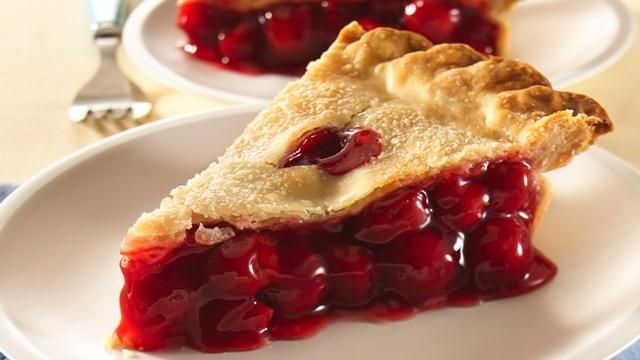
You and I are kindred spirits! Pie is one of my favorite things on the planet! Picking one is kinda like deciding which of my kids I love most, but if forced, I’d have to say cherry. Or a really deep apple. Or pumpkin. Ok, sorry…

Cherry.

There. I said it.

Q & A with Michael Jamin

Michael Jamin has been a television writer/showrunner for the past 25 years. His many credits include King of the Hill, Wilfred, Maron, Just Shoot Me, Rules of Engagement, Brickleberry, Beavis & Butthead, and Tacoma FD. He’s currently working on a collection of personal essays to be published in 2021. Some of them can be read on michaeljamin.com

What’s the last thing you read or watched that you thought was incredibly well-written?

I thought the show Fleabag by Phoebe Waller-Bridge was a masterpiece. She wrote one soliloquy towards the end of the series that made me want to stand up and applaud.

I’ve also been re-reading David Sedaris’ works. To me, his writing is like watching a magic trick. When you finally arrive at the end of one of his pieces, you ask yourself, “How did he get me here?” It’s just so lovely. When people read a good book, they often say, “I couldn’t put it down.” But I put his books down all the time. I’ll read a particularly poignant passage, or beautifully craft line, and stop reading for a few moments just to admire it.

Were you always a writer, or was it something you eventually discovered you had a knack for?

In high school and college, I very much enjoyed writing, but I wasn’t a good writer. I was funny, but I didn’t yet understand story structure so my writing lacked cohesion and purpose. Even though I studied under some very talented authors, I don’t think they knew how to convey this. They just wrote from the gut, and because their talent level was so high, their writing was very engaging. It wasn’t until I got work as a staff writer in television that I really started started to learn about structure, and that can applied to so many different mediums.

How’d you get your start in the industry?

A year or so after moving to Hollywood to follow my dream of being a sitcom writer, I met a guy who would eventually become my writing partner.  For a couple of years, we worked every night and weekend to assemble a good collection of spec scripts. Probably close to a dozen. Eventually we landed on the writing staff of Just Shoot Me and we’ve worked steadily ever since.

What do you consider the components of a good script?

Even in comedy, it’s not about the jokes or funny situations. It’s all about story and how engaging you can make it. Until the audience can identify the three main components of every story, the writer is just wasting their time… daring them to find something better to do.

What are some of the most common writing mistakes you see?

Most new writers don’t really understand what makes a story. They think they understand, but if you ask them to define what a story is in one clear sentence, they’re at a loss. It’s a difficult question!  But if you can’t define it accurately, you’re never going to be able write one on a consistent basis.

What story tropes are you just tired of seeing?

It’s not so much tropes that bother me as it is tired old cliches. In comedy rooms, we call them clams. They’re jokes that have been floating around the zeitgeist and you’ve heard a million times. “Asking for a friend.” “Said no one ever.”  Those are clams. You see them on dopey friends Facebook posts. That’s fine for them, because they’re not writers. But if you want to be a writer, then your job is to create new things to say, not transcribe old ones.

What are some key rules/guidelines every writer should know?

Start the story sooner.

Raise the stakes.

What’s the story really about?

Does the idea have enough weight to be a story?

Do your act breaks pop?

What are your thoughts about writing a spec script for an already-existing show as opposed to a totally new and original pilot?

When I’m staffing for a show, I much prefer reading scripts for existing shows. Writing an original pilot is very hard, and it requires a completely different skill set from writing a spec for an existing show and it’s a skill set that I’m not really looking for. I don’t care if you can create an entire world. I want to know if you can write a compelling script for characters who already exist.

Have you ever read a spec script that immediately told you “this writer gets it”. If so, what were the reasons why?

Most spec scripts from new writers are mediocre. And these are writers who are good enough to land representation. But there’s no demand in Hollywood for mediocre writers. If the story doesn’t start quickly enough, or that first act break doesn’t pop, I’ll put down the script and pick up another one. That may seem unfair, but viewers are no different. If they’re not engaged by the story, they’ll click the remote and find a story that does engage them. I’ve got a huge pile of scripts to read and one of them will be great. I decided to hire one new writer without even finishing the script. I could tell he knew what he was doing.

How can people find out more about you and the services you provide?

I’ve been a sitcom writer and showrunner for 25 years. A friend of mine who is an aspiring writer had been begging me to create an online course, but I just didn’t have the time. When the pandemic hit, that excuse went out the window. So I spent a few months creating an online screenwriting course. This is everything I wish I had when I was trying to break in. If anyone is interested, the first 3 lessons are free.

You can also follow me on social media:
Facebook:  https://www.facebook.com/MichaelJaminWriter/
Instagram: https://www.instagram.com/michaeljaminwriter
Twitter:    @MJaminWriter

Readers of this blog are more than familiar with my love/appreciation of pie. What’s your favorite kind?

Speaking of tropes, there’s nothing more familiar than the standard apple. But it works, so why are we trying to improve on it?