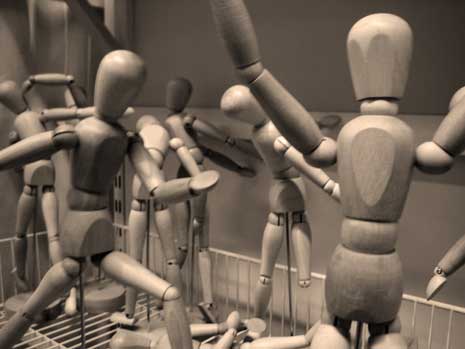
Make each one of these a distinct individual. Ready? Go.
One of the notes I occasionally get (as many others have as well) is that my characters are good, but could use some more depth.
No matter how big or small a part a character plays in my stories, I try to make them seem like real people. Sometimes it works, and most of the time it needs more work.
I don’t go through the whole “create a detailed character history” thing, but as I work progresses on each story, I get more of a feel for what kind of person that character is and hope I can transfer that to the page.
So today’s post is going to be a little different, and involves audience participation.
How do you develop depth in your characters?
There’s no one right answer, and everybody has their own way of how they develop a story and its characters, so it would be great to hear what works for you.
The latest round of work on the western is done. Taking a little break while waiting for some feedback from friends and trusted colleagues, then off it goes to one more professional consultant. Hopefully not too much more to do with it after that.
(Also gearing up to enter it in a couple of contests next year.)
So what now? Easy.
Start researching potential managers to query about it, and get started on the next script – one in particular that may not need as much work as originally expected.
These are thrilling times we live in, chums, with bigger and better things yet to come.
And which of your many projects are you focusing on right now?
The edit/rewrite/polish of the western continues, and have to admit I’m actually surprised at how fast the process is moving.
Maybe it’s working with a pen and an actual hard copy of the script, which for some reason is always more productive than doing it on the computer.
Maybe it’s all the ideas stemming from the great notes and feedback I’ve received.
Or maybe it’s simply a culmination of the experience of having done this so many times before. Putting my money on this one.
I’d estimated the rewrite would take me maybe 5 to 6 weeks, schedule permitting. There are a few sequences that need some major work, some that need significant trimming, and plenty of minor tweaks and adjustments to be made. But just a few days in, and I’ve already passed the halfway point.
At this rate, there’s no reason I couldn’t be done within the next 2 weeks. After that, it goes out for one more round of professional feedback. I honestly didn’t think this would happen this fast.
I think maintaining a steady work schedule, a definite commitment to the craft and that internal drive/compulsion to succeed have all contributed to getting me to this point in my abilities. I’m more than willing (one might even say eager) to do the work, and the more I do it, the easier the whole process seems.
Of course there are days when I’m not productive, but even those are getting fewer and far between.
Hopefully you’re also able to devote some time each day to getting some writing done. Don’t be discouraged if it seems too hard or overwhelming right now. Keep at it. On top of that, get feedback and read scripts. Build up your knowledge and apply it to your work.
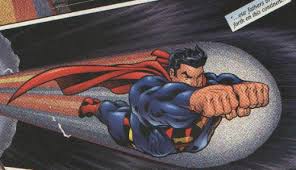
Before you know it, you’re done and ready to jump into whatever comes next (although it might take more than a single bound).
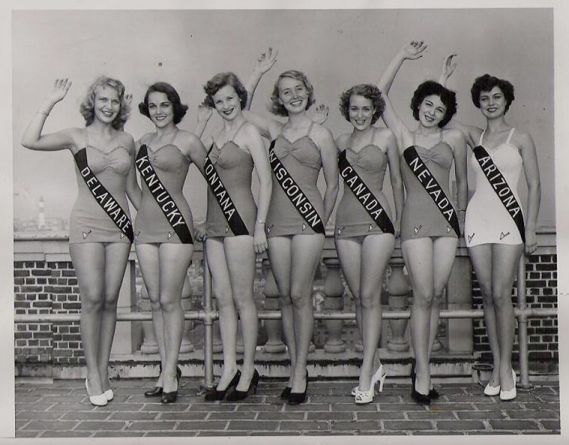
Beneath these pleasant exteriors exist cunning, ferocious competitors
The past few weeks have been exciting to watch as the latest results were announced for some of the major screenwriting contests.
First, congrats to everybody who advanced! It’s always thrilling to see good things happen for friends and trusted colleagues. Make sure you let them know you’re glad for them.
And if your contest email included the word “Unfortunately,…” it’s not the end of the world. Believe me. There’s a long list of reasons why your script didn’t make the cut. It happens. We’ve all been there. Getting upset about it won’t do you any good. The sooner you put it behind you, the better off you’ll be.
Once you’ve gone through the last of the 5 stages, you’ve got several months to really embrace the opportunity to put more work into your script (or scripts) so you can resubmit it/them again next year.
You want your scripts to do better? Do the work to make them better. Get feedback. Pay for professional notes if you can. Whatever it takes. You’re going up against literally thousands of other writers and their scripts. This isn’t the time to hold back.
Entering contests was something I did not do this year, primarily because I didn’t think my scripts were ready. The western needs at least 1-2 more drafts, and I’m going back and forth as to which one to do after that. I’ve never entered two at the same time, but based on how the writing goes over the next few months, might consider it.
So consider me among those thousands competing against you next year, and remember that each and every one of us wants to win just as much as you do.
It still needs some work, but the latest draft of the outline for the pulpy adventure is done, so it’s headed to the back-burner for now as focus shifts to rewriting/polishing the western.
I’ve been very fortunate the past few weeks to have received some high-quality notes for it, which includes a wide spectrum of suggestions of how it could be improved.
As expected, some have merit and some don’t (and this includes some professional comments), as well as a few changes not even originally considered. Each one gets serious consideration, but it all comes down to what I think works best for the story.
When I first started, I would assume every note I got was coming from somebody who knew better than me, but then there’d be so many changes/edits that the script was getting away from what I wanted it to be.
You and only you know what your script is supposed to be like. There will be many notes accompanying each subsequent draft. Don’t automatically think each one is right, but don’t immediately dismiss it either.
Ask yourself “Does this note help make my script better?” If so, how? If not, why not? If you’re not sure, look at it from both sides. Don’t rush just to get it over with. This requires a lot of thought, patience and attention.
It’s also important to not let your pride get in the way of the story. What’s more important – keeping your ego intact or making the story as good as it can be?
It took a while, but I eventually learned to trust my instincts to the point that I can now identify what I consider good notes and not-so-good notes, which has really made a difference in helping both me and my writing improve.


 Maximum Z