Heed the words of Mamet -OR- Don’t overstay your welcome

I’ve been on somewhat of a tear lately in regards to watching films – both at home and in theaters.

One of the things that’s really stood out is the tightness of the writing. In every film, the scenes don’t waste time. They present what’s needed at that particular moment while also advancing the story.

I’ve always had a tendency to overwrite – especially in my earlier scripts. There was just too much on the page, or some scenes just went on too long. This would result in necessary editing and trimming down in subsequent drafts.

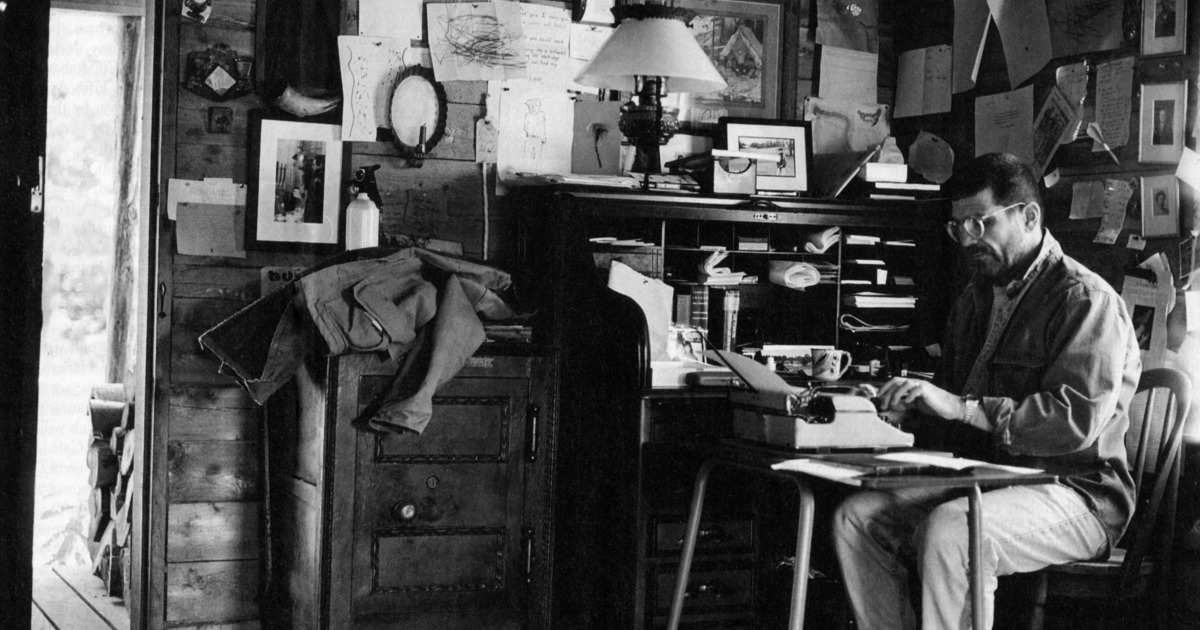
But then I heard a piece of advice I’m fairly certain is attributed to playwright David Mamet:

GET IN LATE, GET OUT EARLY

I interpreted this as “Get to the point of the scene as soon as possible, then move on to the next one”.

You don’t want your reader/audience to be bored by slowing things down with anything unrelated to the story. They’ll become less interested in wanting to see what happens next. Once that happens, you’re pretty much screwed.

This is something I’ve seen in a lot of scripts – especially from newer writers, along with a handful of seasoned vets. Many is the time I’ve given a note along the lines of “this is good, but tightening it up would make a world of difference.” Sometimes it’s dialogue, or description, or action lines.

If something can be cut from a scene and the scene still accomplishes what it needs to, then whatever you cut didn’t need to be in there in the first place.

When I outline, I do so with a “what’s the point of this scene?” approach. What happens in this scene that advances the story? Even as the story continues to grow and develop, the focus on the main point of each scene continues. There may be a small amount of overwriting in the first few drafts, but those are quickly dealt with.

This approach has really helped contributed to establishing the flow and fast reads for my scripts, and I’m looking forward to applying it to the current spec.

How does your script move?

AMC Pacer
Not that kind of pacing

When you’re reading a script, are you able to notice how time is passing while you’re reading?

Have you zipped through a significant amount of pages without even realizing it? Or does it feel like this thing is just dragging on forever, and that even turning the page is going to require every last ounce of strength you’ve got?

A key factor in writing a script is establishing its pacing, or “how the story moves”. This is one of those skills that takes time to develop.

A script might be overwritten, or at least have too much going on that it distracts you from concentrating on the story. Or maybe it’s written in a flat, almost-monotone kind of way, which makes it tough to stay interested.

Who hasn’t read scripts containing scenes like all of these? And it’s probably reasonable to assume if the script has one scene like this, there are going to be a lot more just like it throughout the whole thing.

So what can you do about it?

The best advice is a two-parter.

The first is a quote usually attributed to David Mamet and/or William Goldman:

Get in late, get out early.

Get to the point of each scene as soon as possible, then get out and move on to the next one. Anything else is unnecessary and will slow things down, and you don’t want that.

The second is a universal rule of storytelling:

Don’t be boring.

Write so it holds our interest. Don’t overdo it, but don’t settle for the bare minimum either.

Get that momentum going, and do your best to keep it that way.