Show. Don’t tell

A feast for the eyes. In a good way.

One of the most important rules of screenwriting, yet lots of writers have trouble putting it into effect.

The organizer of my first writing group always suggested writing each scene so the audience would have an idea what was going on if the sound went out.  Not easy to pull off, but it is possible.

I got my first taste of silent films in high school. We watched Griffith’s BIRTH OF A NATION and Buster Keaton’s THE GENERAL, which remains one of my all-time favorites.  It was on the other day on Turner Classic Movies. We caught the second half. V loved it.

*Side story – Earlier this year, I posted on TriggerStreet looking for help with my original logline for LUCY, describing it as combining THE GENERAL and THE SEARCHERS. Somebody commented that they’d never heard of either. I want to say I was shocked, but reminded myself not everybody has my kind of appreciation for older films.

It’s oh-so-gratifying to listen to V laugh her head off while we watch these. I like Chaplin, but Keaton is an underappreciated genius.  Last summer, we finally got around to catching some of Harold Lloyd’s work, including SAFETY LAST (the one with the clock face, which was okay), THE FRESHMAN and THE KID BROTHER, which is a masterpiece.

What’s great about silent films is that apart from the dialogue cards, everything else is told visually, so it’s easy to follow along.  The actors, with only their bodies and facial expressions, convey what’s happening.  The Silent Era was especially effective for newly-arrived immigrants who spoke no English. They understood what was going on.

When I write a scene, I try to make it as visual as possible so it’s more than just somebody talking.  This goes beyond describing what we see in a physical sense, but how a character acts or is reacting.  I’m also working on punching up this kind of writing so it doesn’t read or sound boring.

Some writers make the mistake of describing something that can’t be seen, such as what a character is thinking.  I’ve also heard this labeled as “How do we know?”  You may describe somebody as reflecting on their past, but if we’re watching the film, all we see is a person sitting there, doing nothing.  HOW DO WE KNOW they’re reflecting?

Get the idea?

The kid has potential

What that first draft seems like

Reading so many scripts over the past few weeks has motivated me to consider sending some of my older work to TriggerStreet and ScriptShadow to see what kind of response I might get.  I like to think my writing has improved since I first started out, but it would be interesting to see what others think of some earlier efforts.

I have two scripts I’d be willing to put on display, but first I had to find them from within my scattered files and flashdrives.  I managed to dig up my zombie western from just over 8 years ago. I skimmed through the first act, and it wasn’t as bad as I thought.  The writing’s a little weak, but it moves along nicely.  I had completely forgotten just about everything apart from the main story.  I think a lot of it still works, including some of the jokes.  Some of those still hold up too.

This isn’t my best work. Far from it. I had to stop myself from rewriting certain lines because I wanted to leave it untouched.  I like the idea of sending it out as is to see what kind of reaction the me of 8 years ago would get.

A writer should occasionally go back and look over their early stuff to gauge how their skills have developed and (hopefully) improved.  You may be pleasantly surprised by a scene or snippet of dialogue you don’t remember whatsoever, then be even more surprised when you realize “Hey, I did write that, didn’t I?”

Movie of the Moment: THE RED SHOES (1948). I’d been led to believe this was a classic. Apparently it’s one of Scorsese’s favorites, but I was bored, and subsequently disappointed.  I don’t mind ballet, but this just didn’t do anything for me.

Set up, pay off

Yep. It HAD to be snakes.

I’ve said before how BACK TO THE FUTURE is one of, if not my absolute favorite script.  One of the many amazing aspects of it is practically the entire first act is setup, with the payoff throughout the second AND third acts.  I think it’s safe to say the story may be practically impenetrable, if you’re talking in terms of looking for a flaw in the armor that is it’s story.

While I’ve been working on both DREAMSHIP pages and the LUCY rewrite, I’ve been paying special attention to certain aspects in each to find out if there’s something that can be set up early, leading to the resulting (and satisfying) payoff later.  Hammering out story details during the outlining process has been extremely helpful.  It’s a lot easier to figure things out when you’re working with a scene of 1-2 sentences, rather than 3 whole pages.

As a result, planting story details throughout the first act hasn’t been too difficult, mostly because I know how I want them to play out as the story progresses.

Reading scripts over the past few weeks has been an eye-opener in terms of seeing who knows how to do this effectively.  Consider this yet another argument of why writers should read them. You should be able to see setup and payoff in action. It’s especially good when you don’t even realize it’s happening.  And take the time to think about whether the setups and payoffs in your script are just as effective.

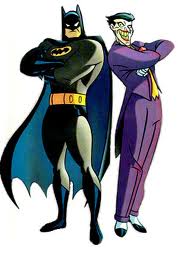
Good to be bad

a good villain can make all the difference

Today’s progress involved finally introducing my antagonist .  A short scene, but moves things ahead on several levels.  But it was also fun to write.  Villains are always fun.

Reveling in a sense of overall wickedness.  Pursuing their own sinister goal, which they consider perfectly sensible. Adhering to their rules and morals, which may go against those of the rest of us.  The chance to tap into one’s dark side and let loose.

And if you can create a villain with depth and personality, all the better.

This all comes back to the recurring theme of pure, simple enjoyment. For me as the writer, having a blast during the process AND getting pages done.  And if the writing part is fun, then it doesn’t really seem like work.

For whoever reads the finished product, the feeling of entering a new and exciting world. Wondering what’s going to happen next. Getting swept up in the adventure-ness of it all.

That’s what I’m striving for.

Thick skin? Try bulletproof

I’ve been reading and writing scripts for some time now. I’ve had limited success with original material, so I have a fair idea what works and what doesn’t.  I can read a script and quickly reach a conclusion regarding whether or not the writer knows what they’re doing.

Stuff from the Black List?  For the most part, top-notch, quality stuff.

Trigger Street?  Not so much.

I’ve read three scripts so far, and each one was poorly written.  There’s no other way to say it. Part of the deal is that I’m supposed to offer constructive criticism to the writer, which I try to do.  I don’t sugarcoat anything, but I also don’t savagely tear the thing to shreds.  I want to be entertained, but if reading a script is more like a chore, then I’m going to point what’s wrong and what needs to be fixed.

I received this email in response to a script I read last week:

“Try and add a couple of positive thoughts into your reviews. It might stop authors from quitting their game. Unfortunately for you, I’m more resistant to slander. Most authors rare (sic) not, however. I hope when you release your personal screenplays, people are more apathetic.”

I hate to break it to this person, but if they want to be a screenwriter and MY critique hurts their feelings, then they better stock up on Kleenex and pints of Ben & Jerry’s.  Yes, writing a good script is hard, but if you can’t take constructive criticism, then you’re in trouble.

I’ve heard it numerous times:  YOUR WORK HAS TO BE ABSOLUTELY PERFECT.  You may think it is, but trust me. It isn’t.

When I joined my first writing group, I thought my script was great. When I got it back, almost completely covered in red comments, I was devastated.  How could they?  After I calmed down, I re-read their comments.  I came to realize that each one had merit and would actually help make the script better.  I still had a lot to learn.

I’ve been writing for a good number of years, and have slowly built up a resistance to comments.  Every writer has the option of being selective about which comments to consider. While it’s nice to get raves and positive feedback, sometimes heeding the ones that start with “you might want to consider…” is actually better because they are trying to HELP YOU MAKE YOUR SCRIPT BETTER.

And I don’t want somebody reading my script to be apathetic. I want to know what works, what doesn’t, and why.

I’m a big boy. I can take it.