Bursting at the seams

homer-donuts
Have to be careful not to overdo it

Overwriting has always been an issue for me, at least when it comes to first drafts. I tend to put a lot more on the page than is probably necessary, which of course, increases the number of pages.

Case in point – while progress is moving along nicely for the pulpy adventure spec, and I’m faithfully adhering to the outline, scenes throughout the first act are running longer than expected, so the inciting incident will be occurring somewhere around 10 pages later than anticipated.

If things continue at this rate, I may end up with a script that’s somewhere in the neighborhood of 140 pages, which is way too long.

Keep in mind that I don’t make a point of strictly adhering to certain feline-influenced rules/guidelines of a “THIS MOMENT IN THE SCRIPT MUST HAPPEN ON THIS PAGE” nature; it’s really more of a suggestion.

The good thing is that I can just keep pushing forward, knowing there will be some major editing and rewriting in store when this draft is finished. It’s a lot easier to go in and cut, as opposed to scrambling and struggling to add in material. And as evidenced by past behavior, I’ll probably continue to occasionally go back and tweak something I don’t see as sitting right.

For now, the very-helpful process of plotting out the beats of a scene and writing them as such will, but it wouldn’t be surprising if a subconscious effort to tighten things up a little begins to develop.

One brief sidenote – I’ve been making a real effort to reduce the amount of time spent with casual netsurfing and replacing it with actual writing. It’s made quite a difference, and the results have been most productive. I heartily recommend it.
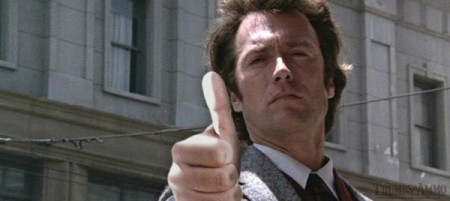
Hopefully not too seldomly heard

callahan
Thanks, Harry! I’m glad you liked it.

So how’s your November writing project coming along?

Mine’s not too bad.

I’m a few scenes into Act 2, and things seem to be progressing smoothly, including coming up with a strong and slightly expository scene at the spur of the moment. Daily page output is fluctuating, but relatively steady; not sure if I’ll have a completed draft by month’s end, but think I’ll at least be mighty close.

This script is actually part of a collaborative effort (more on how that came about another time), so I sent the first ten pages to the other person, just to let them know how it was going.

Their response arrived the following morning.

“Fucking amazing! You are definitely on the right path. Amazing job!”

There was more to it, but I believe that accurately sums it up. They like what I’ve done so far, which in turn buoys my confidence, thereby inspiring me to keep charging ahead. Encouragement combined with enthusiasm is contagious.

Added bonus – several voicemails since then mentioning how they’re been reading those pages a couple of times a day and can’t help but feel a thrilled sense of anticipation about the rest of the script, along with its potential.

No complaints from yours truly about dealing with a case of the warm fuzzies.

A writer always hopes people like what they’ve written. True, not everybody will, but if some positive comments come from another writer whose opinion you value, wouldn’t that give you a little boost?

Who doesn’t appreciate a little vindication for all the hours put into getting to this point? We all know how much effort it takes to write something, let alone something that garners a positive response.

When I’m asked to read something, I’ll be honest with my thoughts on it. I’ll make appropriate suggestions of how it could be improved (which is usually the reason we’re being asked to read in the first place). But if I think it’s good, I won’t hesitate to say so. I will gladly point out what I liked and why I liked it.

Your readers are more than happy to give you positive feedback and words of encouragement, but they won’t do it because they like you or you’re their friend. They will do it because the material you wrote earned it.

And they’ll want you to keep doing it. And you’ll want to too.