Wrapped up the latest draft of the animated fantasy-comedy earlier this week and sent it to a few readers.
Notes have begun trickling in.
Overall responses: very positive, but could still use some tweaking. Points were awarded for creativity, originality, dialogue, and the jokes.
I appreciate all of those very much.
But…it can still be better.
I’d estimate it’s maybe one to two drafts away from being where it needs to. Waiting for a few more notes to come in before diving into that.
What’s also helped is that a lot of the changes don’t seem to be of a major overhaul type, but I suspect it won’t be a few minor changes here and there either. Somewhere in that nebulous middle.
It’s been quite encouraging how fast and effectively things are playing out for this one. It’s taken a while to get to this point, but all the time spent writing, rewriting and constantly trying to make previous scripts better are yielding the desired results for this one in a more timely manner.
Another thing that’s different about this time around is that confidence levels were already pretty high about the script, and getting comments about what still needs work hasn’t diminished them. Many times in the past I would get notes and think what a terrible writer I must have been, which was not the case.
I’m quite psyched about this one, and can’t wait to get back to work on it.
The latest draft of the animated fantasy-comedy spec is in the hands of some beta readers.
One has already gotten back to me with some suggestions of minor fixes, but overall very positive comments.
Which is really, really nice.
And they also liked a lot of the jokes, which is definitely nice to hear.
I can’t really explain it, but there’s something about this script that’s giving me a real positive vibe.
It’s been a while since I’ve felt this way about a script this early in the process, so like the title of the post says, I’m riding this wave of positivity as long and as far as it’ll take me.
I’m sure it’ll require at least another pass, maybe two, until it gets to the quality I want it to be, but for now, I really like how it turned out.
Like with each of my scripts, I had fun writing it, and hope the reader has an equally great time reading it. This is something every writer should experience. It really does make a difference.
As the wait for the remaining notes continues, the focus shifts to cranking out pages for the microbudget feature, which is coming along nicely, thanks for asking.
Hope you have an exceptionally productive weekend.
Even as I was getting the latest book ready over the past few weeks, I still made an effort to split time among a few other ongoing projects.
On that list: a severe edit of the animated fantasy-comedy spec.
The previous draft had clocked in at 120 pages, which admittedly is kind of long, especially for an animated story.
So it had to not only be tightened up in regards to what’s on the page, but also the actual number of pages. Fifteen to twenty, while seemingly excessive, felt appropriate.
Armed with some exceptional notes and a strong idea of all the issues that needed addressing, I set to it.
The phrase “kill your darlings” played a significant role during this process. Several scenes I loved were, as pointed out by an extremely savvy reader, more of a distraction from the main storyline and were actually slowing down the read.
Highlight, delete, mourn their demise, move on.
A good number of scenes underwent a major overhaul, including severe tightening up, rephrasing of dialogue, and a whole lot of moving stuff around. Sometimes a change would be made that I didn’t realize needed to be made. That’s always a surprise.
All of this combined ended up cutting 14 pages, bringing the grand total down to 106. Not too bad.
From my perspective, what ended up being the biggest accomplishment was that the whole thing seemed stronger than before; more put-together. It’s been a while since I’ve felt this positive about a draft.
It’s been sent to the latest batch of readers, and I’ve no doubt they’ll do a bang-up job in finding faults and spotlighting what needs work. As they should, and that’s fine with me.
Got some notes back on the animated fantasy-comedy spec.
I’ll be the first to say it still needs work on a few fronts, but the overall consensus is “I really enjoyed it”, which means a lot. On several levels.
Added bonus: they liked the jokes. Always great.
Despite all this, for as long as I’ve been at this, I still feel a twinge of anxiety as I open the email to see what the reader thought.
Impostor Syndrome? Possibly.
I know I can do the work, but there’s always that hidden fear that somebody’s going to say “wow, does this suck”. I suppose it stems from that initial sense of just hoping the reader likes it.
While it’s great to get notes of a positive nature, I tend to focus more on the sections that deal with what didn’t work or needs work. Every writer wants their script to be the best it can be, and notes of a critical nature can be invaluable in helping you get there.
And a lot of the time I find myself agreeing with what the notes have to say. Sometimes they even help me navigate my way out of a problem I already knew was there, but was having trouble finding a solution. Those are fantastic to get.
Even as I wait to hear from a few more readers, I’ve already started jotting down ideas to incorporate the strongest suggestions from this batch into the next draft.
Which I will then send out, once again thinking “I hope they like it.”
-Just a friendly reminder that my two books – GO AHEAD AND ASK! INTERVIEWS ABOUT SCREENWRITING (AND PIE) VOL 1 & 2 are available on Amazon and Smashwords.
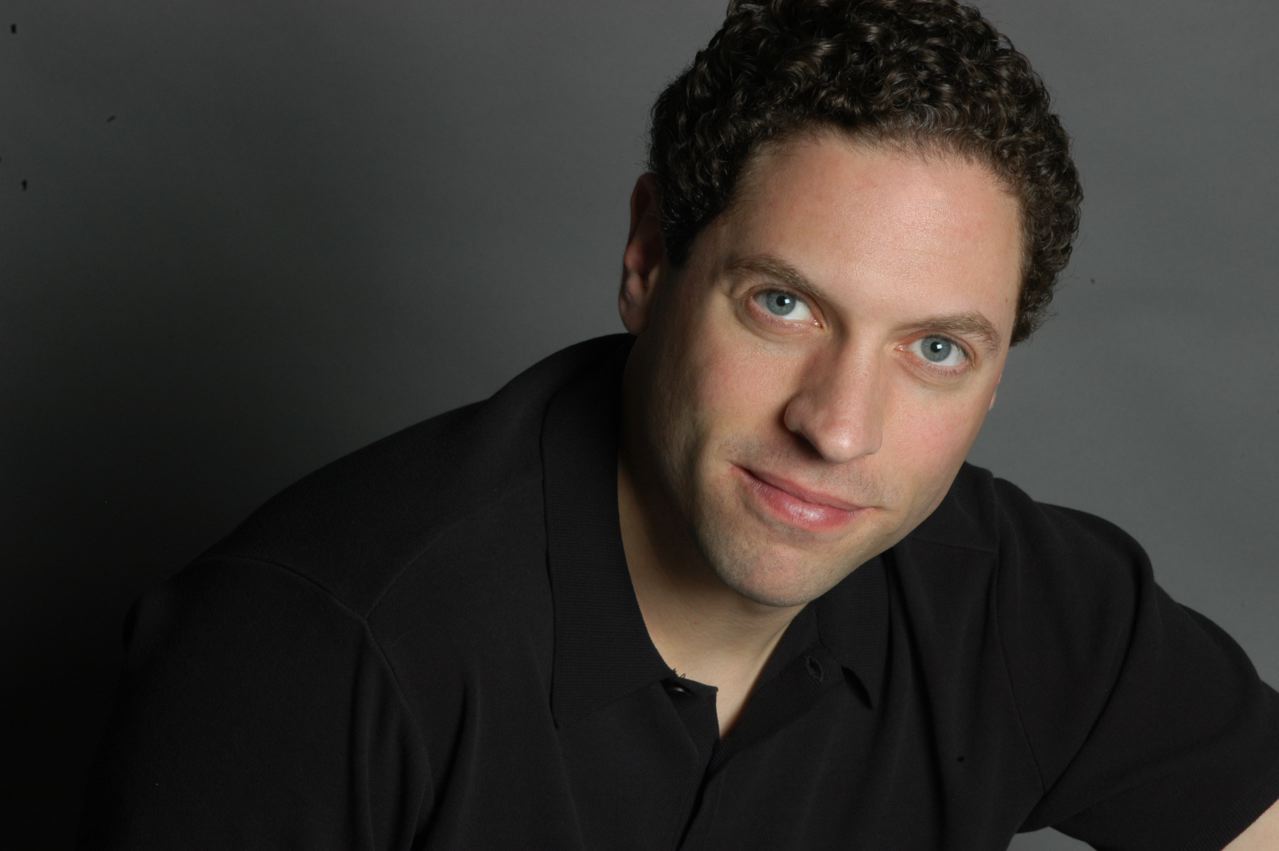
Michael Jamin has been a television writer/showrunner for the past 25 years. His many credits include King of the Hill, Wilfred, Maron, Just Shoot Me, Rules of Engagement, Brickleberry, Beavis & Butthead, and Tacoma FD. He’s currently working on a collection of personal essays to be published in 2021. Some of them can be read on michaeljamin.com
What’s the last thing you read or watched that you thought was incredibly well-written?
I thought the show Fleabag by Phoebe Waller-Bridge was a masterpiece. She wrote one soliloquy towards the end of the series that made me want to stand up and applaud.
I’ve also been re-reading David Sedaris’ works. To me, his writing is like watching a magic trick. When you finally arrive at the end of one of his pieces, you ask yourself, “How did he get me here?” It’s just so lovely. When people read a good book, they often say, “I couldn’t put it down.” But I put his books down all the time. I’ll read a particularly poignant passage, or beautifully craft line, and stop reading for a few moments just to admire it.
Were you always a writer, or was it something you eventually discovered you had a knack for?
In high school and college, I very much enjoyed writing, but I wasn’t a good writer. I was funny, but I didn’t yet understand story structure so my writing lacked cohesion and purpose. Even though I studied under some very talented authors, I don’t think they knew how to convey this. They just wrote from the gut, and because their talent level was so high, their writing was very engaging. It wasn’t until I got work as a staff writer in television that I really started started to learn about structure, and that can applied to so many different mediums.
How’d you get your start in the industry?
A year or so after moving to Hollywood to follow my dream of being a sitcom writer, I met a guy who would eventually become my writing partner. For a couple of years, we worked every night and weekend to assemble a good collection of spec scripts. Probably close to a dozen. Eventually we landed on the writing staff of Just Shoot Me and we’ve worked steadily ever since.
What do you consider the components of a good script?
Even in comedy, it’s not about the jokes or funny situations. It’s all about story and how engaging you can make it. Until the audience can identify the three main components of every story, the writer is just wasting their time… daring them to find something better to do.
What are some of the most common writing mistakes you see?
Most new writers don’t really understand what makes a story. They think they understand, but if you ask them to define what a story is in one clear sentence, they’re at a loss. It’s a difficult question! But if you can’t define it accurately, you’re never going to be able write one on a consistent basis.
What story tropes are you just tired of seeing?
It’s not so much tropes that bother me as it is tired old cliches. In comedy rooms, we call them clams. They’re jokes that have been floating around the zeitgeist and you’ve heard a million times. “Asking for a friend.” “Said no one ever.” Those are clams. You see them on dopey friends Facebook posts. That’s fine for them, because they’re not writers. But if you want to be a writer, then your job is to create new things to say, not transcribe old ones.
What are some key rules/guidelines every writer should know?
Start the story sooner.
Raise the stakes.
What’s the story really about?
Does the idea have enough weight to be a story?
Do your act breaks pop?
What are your thoughts about writing a spec script for an already-existing show as opposed to a totally new and original pilot?
When I’m staffing for a show, I much prefer reading scripts for existing shows. Writing an original pilot is very hard, and it requires a completely different skill set from writing a spec for an existing show and it’s a skill set that I’m not really looking for. I don’t care if you can create an entire world. I want to know if you can write a compelling script for characters who already exist.
Have you ever read a spec script that immediately told you “this writer gets it”. If so, what were the reasons why?
Most spec scripts from new writers are mediocre. And these are writers who are good enough to land representation. But there’s no demand in Hollywood for mediocre writers. If the story doesn’t start quickly enough, or that first act break doesn’t pop, I’ll put down the script and pick up another one. That may seem unfair, but viewers are no different. If they’re not engaged by the story, they’ll click the remote and find a story that does engage them. I’ve got a huge pile of scripts to read and one of them will be great. I decided to hire one new writer without even finishing the script. I could tell he knew what he was doing.
How can people find out more about you and the services you provide?
I’ve been a sitcom writer and showrunner for 25 years. A friend of mine who is an aspiring writer had been begging me to create an online course, but I just didn’t have the time. When the pandemic hit, that excuse went out the window. So I spent a few months creating an online screenwriting course. This is everything I wish I had when I was trying to break in. If anyone is interested, the first 3 lessons are free.



 Maximum Z