Heed the words of Mamet

A few more pages added to the first draft of the action-comedy spec. So far, so good.

With a little something new added to the mix.

Each scene has been an exercise in “write it, go back and tighten it up.” One scene that was originally 1 1/2 pages was trimmed down to around 3/4ths of a page without sacrificing anything.

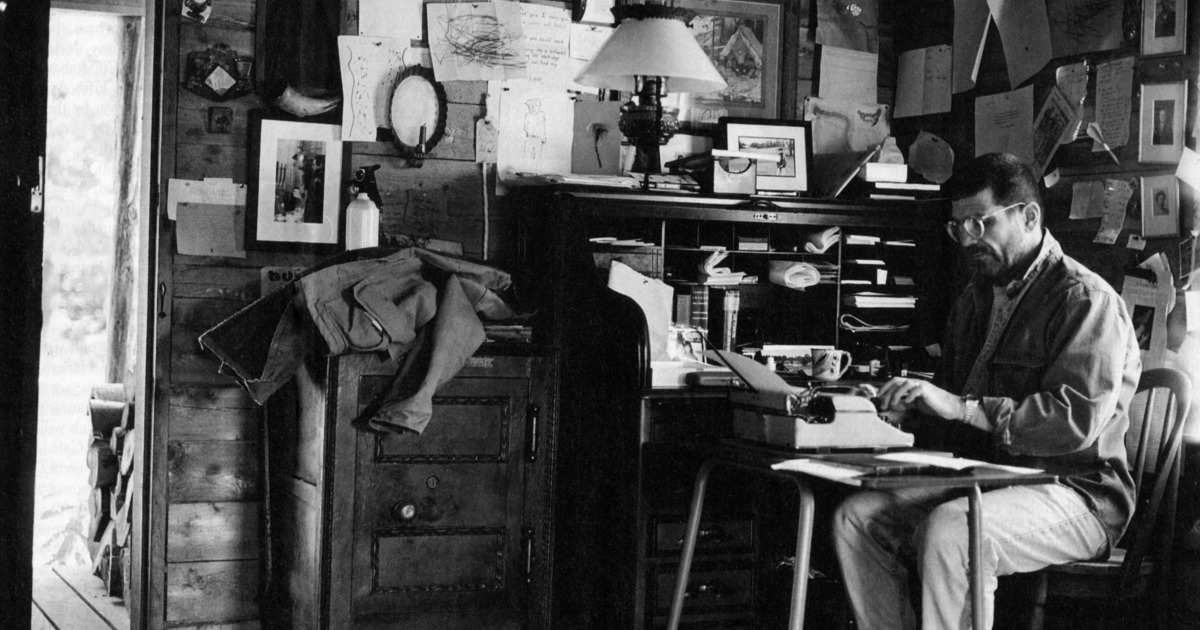
What really helped was really adhering to writer David Mamet’s guideline of “Get in late, get out early”.

I’ve written before about my tendency to overwrite, and the scene in question was no exception. I initially put it together how I thought it should be, but it didn’t start as late it should, and took too long to get out. So anything that didn’t absolutely need to be there got cut.

The result – a tighter, faster scene that makes the same point.

As an experiment, I attempted to write the next scene with that mindset from the get-go. Start late, get out asap. Even with a little editing and tweaking as it was being written, this one also turned out nicely.

I’m sure every scene after this won’t be written as smoothly, but it’ll definitely help, possibly even speed up the process. Possibly.

Another detail that’s been incredibly helpful is to just write what I have in the outline for each scene. Nothing extra. It’s getting easier to resist padding it for the sake of padding.

A variation on the Mamet quote could be “Get in late, get to the point, move on to the next scene”.

It’ll definitely take some time to adjust since this is the way I’ve written for so long, but I like the results so far. Will do my best to stick with it from here on out.
No lab coat required

A writing experiment of sorts this week has yielded some very interesting results.

I took several drafts of a script and started typing out a new one that combined elements of all of them. Scenes, dialogue, etc. This was primarily to see if it would help me identify what needed work, changing, fixing, and so on.

As I worked my way through, more and more items needing my attention kept popping up. It made me realize this really was going to be the major rewrite/0verhaul I’d expected it to be. Possibly even more so.

And for that I am very grateful.

I don’t know if I would have seen these problem spots or reached this same conclusion if I had just gone through a hard copy of the script with a red pen, marking stuff up. Maybe it’s that specific eye-finger-brain connection while you’re typing that makes you a little more aware of what it is you’re actually typing.

For the time being, I’m deciding between continuing all the way through to the end or starting over at page one. I’m tempted to do the former because that might reveal more problems and issues that need addressing, and it’s probably better to be aware of those earlier rather than later.

All of these pending changes at first seem very challenging, but I have to remind myself I’ve figured my way through similar kinds of problems before, so there’s no reason this time should be any different.

Fingers crossed.

Change: embraced

The ping-ponging between my three projects continues, with a little bit of progress for each.

A lot of this whole endeavor comes down to not only rewriting, but how each rewrite is put together. What to keep, what to cut, and most importantly: what to change.

For the most part, there’s nothing huge or drastic, but just enough to make a difference.

Is this scene necessary, and if so, where does it fit best into the story?

Is there a different way to present it so it’s not the same as its previous version but still accomplishes what it’s meant to?

What would be a more effective way to show the protagonist in action while driving the story, but also reinforces their arc?

Notes for each project are dotted with questions that need addressing (e.g. WHY DOES SHE DO THAT? WHICH IS SHE MORE LIKELY TO DO?, etc.) – all with the intent of helping me figure things out.

Also very helpful – a collection of notes from readers with questions, comments, and suggestions. Some have had quite a lasting impact.

It’s becoming easier to make these changes. Some long-term darlings have been sacrificed, all for the greater good – resulting in what is hopefully a better and stronger story.

It’ll be interesting to see what the end result for each project is, with every day seeing a few steps forward.

Good news for the crowdfunding of my short film SHECKY! We hit our initial goal, which was all about post-production. There are still a few weeks left, so a stretch goal has been added with whatever’s raised going towards helping out with film festival fees.

All the tier rewards remain in place, with the addition of a new one that includes a personalized video of me telling you a terrible joke. And in case that sounds weird, it’s keeping with the style of the short’s story.

So if you’re a supporter of indie filmmaking, the telling of terrible jokes, and the screenwriting community, I hope you can chip in. Every dollar really does make a difference.

Thanks!

Heed the words of Mamet -OR- Don’t overstay your welcome

I’ve been on somewhat of a tear lately in regards to watching films – both at home and in theaters.

One of the things that’s really stood out is the tightness of the writing. In every film, the scenes don’t waste time. They present what’s needed at that particular moment while also advancing the story.

I’ve always had a tendency to overwrite – especially in my earlier scripts. There was just too much on the page, or some scenes just went on too long. This would result in necessary editing and trimming down in subsequent drafts.

But then I heard a piece of advice I’m fairly certain is attributed to playwright David Mamet:

GET IN LATE, GET OUT EARLY

I interpreted this as “Get to the point of the scene as soon as possible, then move on to the next one”.

You don’t want your reader/audience to be bored by slowing things down with anything unrelated to the story. They’ll become less interested in wanting to see what happens next. Once that happens, you’re pretty much screwed.

This is something I’ve seen in a lot of scripts – especially from newer writers, along with a handful of seasoned vets. Many is the time I’ve given a note along the lines of “this is good, but tightening it up would make a world of difference.” Sometimes it’s dialogue, or description, or action lines.

If something can be cut from a scene and the scene still accomplishes what it needs to, then whatever you cut didn’t need to be in there in the first place.

When I outline, I do so with a “what’s the point of this scene?” approach. What happens in this scene that advances the story? Even as the story continues to grow and develop, the focus on the main point of each scene continues. There may be a small amount of overwriting in the first few drafts, but those are quickly dealt with.

This approach has really helped contributed to establishing the flow and fast reads for my scripts, and I’m looking forward to applying it to the current spec.

Get the forks ready

After I-don’t-know-how-many drafts, this most recent version of my animated fantasy-comedy is pretty much it for me. Granted, I’m waiting to hear back from some readers – some new sets of eyes and one who’d read a previous draft, so there’s a chance of more notes, meaning most likely one more revision, but for the most part – j’en ai fini avec ca.

This has been a long time coming – a few years, in fact. I often hear how you should learn to move on from projects, but there was always something about this one that always seemed to whisper “not yet”.

The work this time around definitely felt a little different. Scenes were moved around, trimmed, or flat-out cut entirely. Action lines and dialogue were tweaked accordingly, some more than expected. Sometimes I’d get a jolt of sudden inspiration and change something that hadn’t been touched since very early on. There were even a few new opportunities to add in a joke, including one that still makes me chuckle when I think about it.

Since I’d already planned to drastically cut back on contests, this one will probably be sent to just Austin and PAGE. I’m not really sure if this is this sort of script that Nicholl readers go for, although an animated script has been a finalist before, so you never know.

It’s a little frustrating it took so long to get here, but I’m extremely proud and happy with how it turned out – especially after this latest draft.

What a good run this was, and it definitely helped raise the quality of my writing.

Taking a little time off to catch my breath, with the gears already turning for the next one.