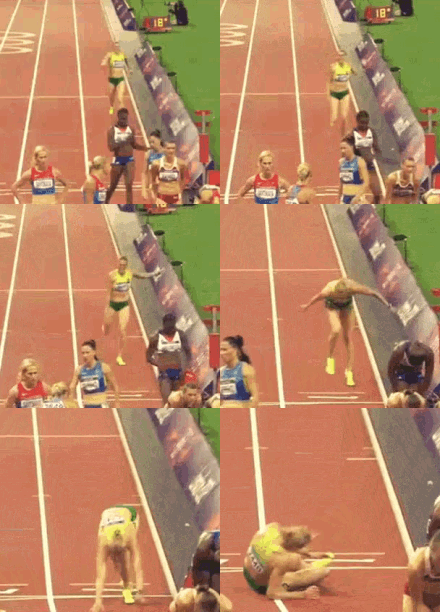
Chances of winning – slim

A few contests have been releasing the latest results. Sadly, my fantasy-comedy didn’t advance in some of them.

Disappointing, but just the way it is. Subjectivity and all that.

I know more than a few writers who are still in the running, and I wish them all the best. It’s important to be supportive and encouraging for others’ success. They earned it, and it’s how I’d want to be treated if the situation were reversed.

As I indulge in some introspection (and another round of script analysis), this is a great reminder that success on one front does not guarantee it in another.

Lots of writers do well in contests, but only a small fraction see it lead to bigger and better things.

I know writers who’ve won or placed highly in some major contests, gotten representation and meetings with producers as a result, but even years later are still struggling to move things forward. It happens.

There are also those who have had nothing happen, which also happens.

It’s natural to feel jealous and frustrated when you see other writers making progress, and you’re not – for contests or otherwise. So you hunker down and try to get better.

And even though that other writer made it a little farther than you did, there’s a chance the next stage could be where things stop for them.

If they keep advancing, good for them.

The odds are already against us from the get-go; even just finishing a script is more than some writers accomplish.

When this sort of thing happens, I gripe/stew/lament about it for a short period of time, accept it, and move on with the mindset of “how can I make this better so as to increase my chances the next time around?”

It helps. Both myself and the script.

With more and more contests announcing the latest results in the coming months, no matter what happens, do your best to be ready.
From the archives: Expiration date: NEVER!

arthur dent
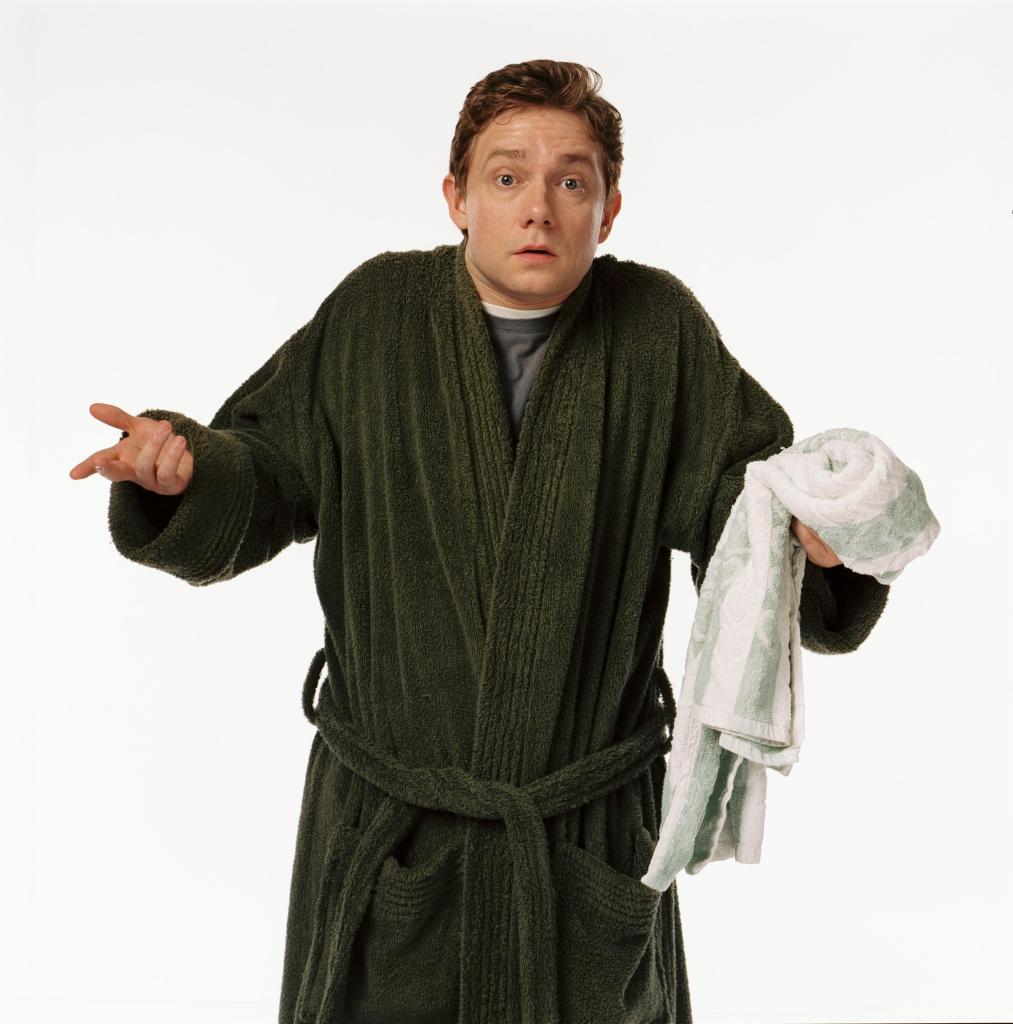
Don’t throw in the towel just yet, Arthur

Another week of ups and downs, so felt it was an appropriate time to repost the gem from April 2016. Enjoy.

A friend emailed me earlier this week to vent his frustration regarding the latest development for pitching his TV pilot. Suffice to say, it didn’t go the way he’d hoped.

“Writing is hard work for me, and to have a project like this dismissed completely deflates me. I think I need to set a deadline (end of 2016?), and if I haven’t gotten a sale or at least representation by then, exit, stage left.”

I can totally sympathize. Who hasn’t been in that boat before? You try and try, feel like you’re making no headway and going nowhere fast.

But setting up a deadline of when you’ll stop once and for all?

Um, no.

As we all know, this is not an easy thing to do. The odds are already stacked against us, and it takes an extraordinary amount of effort, determination and perseverance to keep moving forward. And that’s just to get your first break.

I of all people can attest to feeling like nothing good is ever going to happen for me, and why again am I putting myself through the agony of all of this?

Because we’re writers. WE WRITE BECAUSE WE LOVE DOING IT.

For a writer willing to give up writing is, to quote the late, great Vizzini, inconceivable. As crazy as it sounds, I’d rather write and continue to fail than not write at all. (But in theory would be improving after each failure, thereby resulting in an inevitable success.)

DON’T GIVE UP. You never know when things will work out for you, so continuously having at it will always increase your odds.

Continue to work on getting better. Even if only a handful of people read your stuff and like it, that’s still a victory. And they do add up.

IT’S A MARATHON, NOT A SPRINT. It takes a very, very long time to get to the finish line, let alone at your desired pace. And even then, you’re always striving to improve on it. Take this from someone who writes screenplays AND does half-marathons.

Believe me, there will be shitty days. Lots of them. You will be angry and frustrated. You will see others succeed while you feel like you’re going nowhere. It happens. But that’s the price you pay for setting off on this seemingly impossible journey.

But also keep in mind that you’re not alone. There are lots of us out on a similar path. Feel free to make the occasional turn so your path intersects with somebody else’s. It can help make the journey a bit easier.

My friend responded with a note of thanks and gratitude, which included “I’m ultimately a storyteller, a writer. This is what I exist to do, even if my audience is a small one. I will work hard to find it and share my stories.”

Couldn’t have said it better myself. Hang in there, chums.

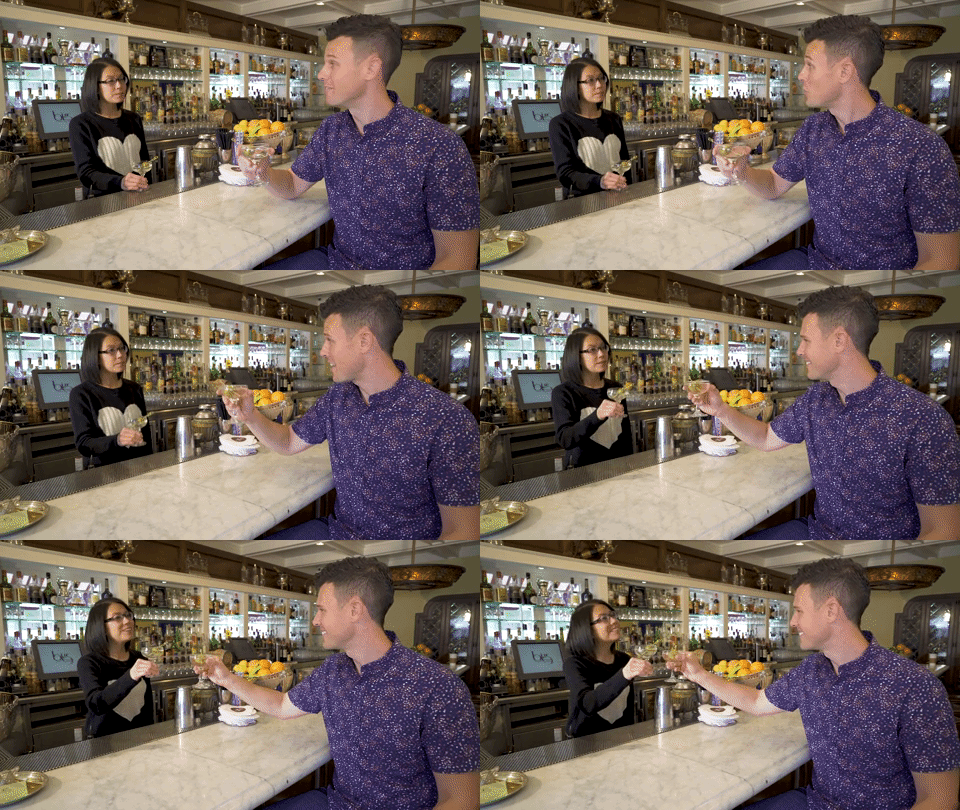
At least buy me a drink first

Pop quiz!

You’ve got a script you’re quite excited about. You’ve slaved away on it and now can’t wait to show it off to the rest of the world.

But you want to make sure it’s as good as it can be, and that means getting feedback.

Who do you ask?

Is it:

A – a professional script consultant

B – somebody in your network of writers

C – a total stranger you just met. Like, minutes ago

And the answer is…?

Okay. Pencils down.

It would be nice to think that common sense, logic, and professionalism would influence your answer.

A and B are both correct.

Unfortunately, there are some who think it’s C, and are very adamant about that decision.

I was recently on the receiving end of such a scenario. A writer had asked to connect on a social media platform, I accepted, and within a matter of minutes received links to a trailer and pitch deck for their script.

I responded with a blunt “thanks”, to which they said they were looking for help to improve the script.

I said I’d try to think of some suggestions for consultants and services they could check out.

They were hoping I’d do it, to which I responded “I charge for notes too”.

They took that as “I accept your offer, and will now work with you!” and sent an NDA for me to sign.

I’m sure you can guess what my reaction to that was.

I tried to end it by saying that starting a connection with “Thanks! Read my stuff! Help me!” was not the way to go. Shockingly, they failed to get the point and kept going.

There were a few other issues that came up, so let’s just say the rest of our exchange proceeded to go downhill like an out-of-control bobsled on fire.

FOR CRYIN’ OUT LOUD – DON’T DO THIS!!

I get it. The enthusiasm. The heightened adrenaline. The hope/daydream that anybody who reads your script will immediately proclaim it “best ever!”

What a lot of writers, both new and those still learning, fail to comprehend is that part of being successful at screenwriting is establishing and maintaining professional relationships. You can’t just jump right in with a total stranger and say “You don’t know me, but I want you to help me”.

Would you want to be on the receiving end of that? Of course not. So why do some writers feel it’s a savvy move? If anything, you’re sabotaging yourself before you even get started.

It’s essential to take the time to build your personal network, and one of the key phrases here is “take the time”. Nothing happens in the blink of an eye. It requires patience, tact, and civility.

Putting in the time and effort to be a good screenwriter isn’t only about the writing. Knowing how to play well with others is just as important.

Be nice to people. Treat them how you’d want to be treated. Help them out if/when you can.

Then you meet for drinks.

That’s how you do it.

Which one are you?

I’ve been very fortunate over the past few years to have connected with writers from literally all over the world. Strong professional relationships have been established and maintained (when possible). Because of these strong bonds, it’s not uncommon for me to receive an email from somebody in a far-off location with a question, a request, or seeking a recommendation.

And more than a few times I’ve been the one sending an email of that nature.

Each of these relationships took time to develop. Nothing was instantaneous. Most likely it was the result of somebody responding to something one of us said on social media. Even if I don’t know the person, I’ll treat them with courtesy, respect, and the occasional self-deprecating joke.

Wouldn’t trade any of these connections for anything. Maintaining contact with other writers is good on several levels. It makes me feel like part of the community. It’s great to talk shop about our respective projects or our experiences. Doing all of this reminds me that there are LOTS of other people out there going through the same sorts of things.

Then there are those who feel the need to showcase their “expertise” by throwing shade on my question or comment.

“Well, that’s stupid”

“And you think this is a good idea because…?”

“I hate to tell you this, but that won’t work”

And the always-classic “Don’t take this the wrong way, but…”

The only reason I’d give a second thought to this kind of reaction is if it were from somebody with whom I’ve established that professional relationship. They’d also say it in a more constructive manner with the intent to help, rather than denigrate.

Admittedly, there will always be somebody I don’t know or haven’t interacted with, but am connected with in some capacity. For the sake of this argument, that’s pretty much the equivalent of talking with a stranger. If you see the need to go negative under the guise of “telling it like it is”, why should I even pay attention to you? These sorts of reactions tend to guide me to the “Disconnect” or “Unfollow” button and give it a hearty click without a moment’s hesitation.

I’m always open to connecting and interacting with other writers, but respect is a two-way street. I’ll treat you the way I’d want to be treated, and hope you feel the same.

If not, well, it was nice knowing you and good luck with all your future endeavors.

Moral of the story: Be supportive, encouraging, and sympathetic when possible. Repeat.

Took a while, but oh so worth it

The last batches of notes are coming in for the animated fantasy-comedy spec, and believe you me it is SO MUCH better for all of them.

I had faith and confidence in the story and the writing when the initial drafts were done, but it was the as-always-invaluable feedback I got that really helped fine-tune and polish to what it is now.

Bonus – everybody really liked the story and had fun reading it

Bigger bonus – the jokes worked, including more than a few “I actually laughed out at this”. This was a very important issue for me, and I’m elated that this was the result.

I’ve completed a quick tweak/polish and will probably do one more read-through just to be sure before I start sending it out to the big contests next week.

(Reminder for those who enjoy working under pressure – Nicholl early bird deadline is Mar 1 – next Wednesday)

In years past, I’d seek out notes from just about anybody and everybody. When you get numerous sets of notes, and many have conflicting opinions, it does no favors for you or your script.

Lesson learned. Now after each draft, I reach out to 2-3 readers with the same level of experience as me, or more, when possible. It might take a few rounds of doing this, but each draft gets the script to where it needs to be.

With my western, I thought my writing was as good as it was going to get. But working on this script has shown me that I wasn’t done yet. I’m the last one to toot my own horn, but this one seems more solid and put-together on several fronts.

They say you should be able to hear the writer’s “voice” when you read their script; that it sounds like something they would have written. I think that’s always been the case with each of mine, but for this one, you can hear me loud and clear.