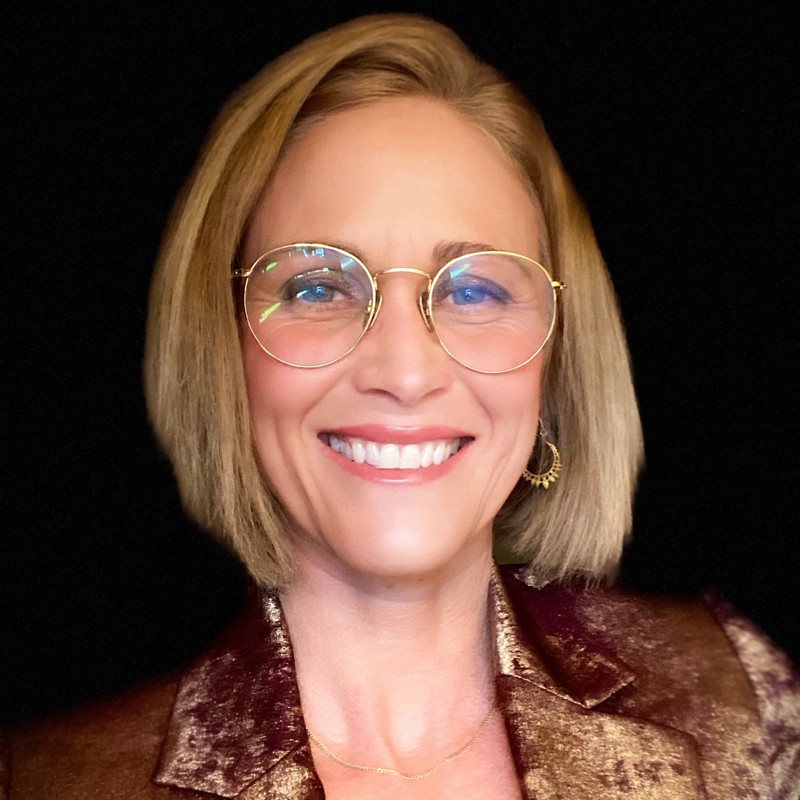
Suzanne Gundersen is Founder of ScreenwriteNOW and Inner Story Consultant who mentors & teaches screenwriters and industry creatives how to clear the path that lets their story flow.
Since 2015, she has skillfully helped screenwriters overcome fears, worries & blocks on demand, get focused and sharpen creativity, build tremendous confidence, and deepen their emotional worldview into wisdom & truth, to hook audiences into wanting more. She uses natural tools & techniques that relieve tension & stress, so her clients become more authentic and embodied in their work.
She expertly shares a technique she calls Neuro-Energy Tapping, a self-use acupressure technique that calms the mind and relaxes the body; combined with her 3RP Method, creates powerful shifts towards experiencing the 5C’s; centered calm, clarity, creativity and confidence!
Her programs “Just Write Now” and “Get Pitch Ready” have helped thousands of screenwriters get focused into their creative rhythm & flow, effortlessly finish scripts and pitch with confidence. “My Worldview” is a program that helps writers transform their personal hero’s journey, so they can express their authentic value and emotional truth in their writing & presenting their work.
Her work supports individuals and groups, she speaks & leads online workshops and programs. Visit www.screenwritenow.com to download her free e-book and schedule a complimentary consultation to discuss your needs & goals.
What was the last thing you read/watched you thought was incredibly well-written?
So many things! But the one I’ve been watching recently has been QUEEN OF THE SOUTH. I particularly enjoyed the first two seasons because of the subplots. There were some exciting and integrated subplots that threw the main plot into a lot of twisting. I always feel like really good writing and really good shows have a lot of integrated storylines at lots of different levels; at the surface level, at the deeper level, sideways. I’ve watched other seasons since then, but the writing for those has been a little bit flatter, more one-dimensional.
How did you get started in the industry?
I’ve been working in natural stress management for over fifteen years, and about five years ago, I was approached by a writer who asked if I could help her with her writer’s block. She led me to another published author who was working on a series of books who asked if I could help her with her writer’s block. She then referred me to a good friend of hers who was a showrunner on a network show, and asked if I could come in and help her writers room. I had no idea what that meant. I just knew I could help people clear their blocks.
I got into the writers room and found out that there was a writer who was getting divorced, a writer whose child was diagnosed with autism, and there was another one who had dealt with the recent death of her mother. All of these distractions were coming into play as to why they weren’t cohesive in the writers room. I worked with them as a group to help them get back in the zone together, and I worked individually with those three to help them process what was really going on in their lives and distracting them from being creatively on focus and on point.
From there it’s been a lot of word of mouth. I’ve done podcasts, had my services offered as a prize at festivals, I get to speak and teach classes at different screenwriting schools, including through Zoom during COVID. It’s all been a lot of fun.
You focus more on helping a writer utilize their emotions as part of their writing process, which includes a spot-on accurate description as the writer’s own “hero’s journey”. Why is it important for a writer to focus on their own emotions as much as on what they’re writing?
What else are we writing if not about our own emotional wisdom? We are energy as a person. We’re energy in motion, which is emotion. We’re learning through lots of different experiences that we go through in life. The hero’s journey just seemed to be a really great way to analogize between the story that’s being written in our own lives and what we’re writing about is really our own lives. I take people on their own hero’s journey by looking at the top two or three unresolved life experiences that don’t sit with them very well. When we don’t process things, we put a closed door to it, which keeps us from being able to access the emotional wisdom. I help the writer go on their own hero’s journey to go and resolve those life experiences, so they’re not afraid to write from the places they’re trying to avoid.
When writers are writing, they’re really writing about different parts of themselves. If the writing is flat, it’s often because they haven’t done the work to transform their own hero’s journey and the unresolved life issues keeping the rich emotionally deep parts of themselves at bay. For them to be able to focus on their emotions and writing, and do it from a place of peace and wisdom, it’s very empowering and helps them to be able to write those deeply connected storylines that are really going to grab their audience.
Another common experience for writers is the dreaded writer’s block, which can be quite an obstacle. How does your Just Write NOW! program help a writer towards overcoming it?
We are either allowing or blocking, and that can be creatively, professionally, or personally. Just Write NOW is a program I developed which shows how to use one simple effortless technique to help the writer get back into focus. And not just mental focus, but into that creative rhythm and flow; that writing zone where they sit down and go “Oh my gosh, I just wrote for hours!”, or “I can’t believe I just made it through the whole first act!”, or “Those ten pages just flowed out of me!” Often that comes from being able to clear whatever is in the path that’s keeping you from your natural creative rhythm and flow.
Just Write NOW is a program that gives the fundamentals of a technique I call Neuro Energy Tapping, and a process I call 3RP, which stands for Resolve, Release, Reframe and Project. Neuro Energy Tapping is a self-use acupressure technique that helps to calm the mind and relax the body, and help the writer get into their rhythm and flow. It’s good for anybody dealing with all kinds of personal or professional obstacles, or experiencing “blank page syndrome”, or feels backed into a corner they can’t write their way out of.
The program lays out using this tapping technique to clear those distractions, and then using the 3RP method to help them transform that stress to get to a place of broader perspective about those distractions and back to the task at hand of that creative rhythm and flow. Once they’re back in there, I ask them to write down what their formula is for that. What do they tell themselves? What do they believe about themselves? What does it feel like to write? What are the best conditions to be able to write in? Is it the temperature? Is it an environment? Is it your favorite sweatshirt? Just Write NOW helps them to clear the distractions and dip into that creative rhythm and flow and really anchor it by identifying all the characteristics that keep them in that zone. That way they can get into it fairly quickly when they’re not there.
You mentioned “the 3RP Method”, which is a big part of your approach. What is that, and how does it work?
Resolve, Release, Reframe and Project, which is a sequence of how you’re processing distractions so you can get focused.
The first R is resolving. “How do we know our distraction?” What’s our evidence or proof? Is it a blank page? Did you get a lot of feedback from a manager or agent, and you’re resistant to doing it? Or maybe you’re feeling stuck. Whatever the symptom is, we’re looking to resolve it. We use the tapping technique to help them loosen the grip on that stress.
The second R is releasing it. When we’re doing this tapping technique, we’re sending a message to the part of the brain called the amygdala, as well as to the central nervous system to say “it’s okay to calm down now”. It’s easier to release something when we’re no longer feeling threatened, so that helps our stressed-out brain start to calm down too.
Once we’ve resolved and released it, we can move on to the third R of reframing it, which means once you’ve stepped out of a metaphorical tornado of blocks in your life and you’re feeling a little bit easier about things, how can you now think about that thing that was blocking you? What new ideas can you bring, whether it’s a new inspiration to write or a new way to look at the thing that was creating the distraction that’s not as big of a deal as it was before. And this happens in a way that’s truly unique and organic to the individual.
When that happens, I guide them towards the P portion, which is to project; to really look forward into their writing and be in that zone, where we can start to identify the formula for what it’s like to be in that creative rhythm and flow, and be able to go there when they need to.
You also mentioned Neuro Energy Tapping. What is that, and what are its benefits? Not just for writers, but for everybody.
I’m kind of a neuroscience geek. I call it Neuro Energy Tapping, but you may know it out in the mainstream world as “emotional freedom technique” or “the tapping solution”. The benefits are that it helps stop and slow the momentum of thoughts, feelings, the body’s reaction experience in the moment. It also helps to be able to open up new pathways for people to feel more at ease and get a result, and start building momentum in the direction they want. It’s a self-use acupressure technique where you literally use your fingertips to tap on energy points, and when you do that, you can shift and experience how you’re feeling your body, your emotions and your mind.
And it’s not just for writers. I just happen to apply it to help writers because it’s really a great technique to help clear distractions and get people focused; specifically for creative people to help them get into their rhythm and flow. Everyone can use it. It’s a wonderful, natural stress relief technique that can be used anytime, anywhere, to break the connection between the mind and body that might be causing stress or struggle.
It goes without saying that writing a screenplay can be exceptionally stressful. Was this part of the inspiration for your “reprogramming your stress” method? Is this something anybody can do?
Yes! Writers have so many great ideas, and that’s the fun part of writing. The real work of writing isn’t just the skill of putting it together, but being able to write from those places of emotional depth and wisdom. The process I take you through for reprogramming your stress is to be able to go to those distractions and processing them with the 3RP method. You can have those experiences and thoughts sit within you with that much more peace.
Once you’re at a place of peace, you can actually write more confidently, and really be able to put all the intricate parts of a script together. This involves a lot of thinking and emotion, so all that tapping helps to reprogram the stress to help spread it out into “bite-size pieces”. Take whatever’s causing the triggers and neutralize them to be able to allow that kind of organic refrain about how to go about doing the real work of putting the story together in a meaningful way.
You also offer a “Get Pitch Ready” package, which involves building confidence as part of pitching a project. Why do you think the idea of pitching is so intimidating to writers, and what are some potential solutions to dealing with it?
Get Pitch Ready is a program I teach that shares how to be able to really connect with your inner authentic value, and that’s what sells stories: you and your willingness to be seen and be authentic. Whatever story you’re writing, it’s probably been written a hundred times, but the way you tell it and your own willingness to be vulnerable to be sharing your own wounds, to expose yourself emotionally, is really what’s going to make you and your story stand out.
I’ve listened to a lot of pitches, and people just write it all out. It sounds great while they’re writing it, but it doesn’t bring that authentic voice to when they share it. I help people connect with their confidence, or what I call “their inner lion/lioness”, so when they stand up onstage like a lion, this commanding presence. That way they can deliver their authenticity in their pitch.
We’ve got to clear whatever references that we have that are keeping us in the way from feeling safe to be seen, whether we’ve been rejected in the past, or seen other people get rejected. I truly believe there’s no such thing as rejection. It’s either you’re being redirected to deeper levels of self-connection, which the more safe you feel within, the more you can authentically express that value to other people, and that’s what’s going to get people hooked onto your story.
People reading this may say, “That’s not how it was in the past.” And that’s true. It was a lot about what people thought others wanted to hear, or what they wanted them to be, but I think the value system of the future is authenticity, and the more you know your own value and can clear any worries or fears of rejection from the past, that’s what’s going to help you stand out and pitch with success.
In your series of YouTube interviews with experienced professional creatives, you ask each person for “the one golden nugget of advice” they’d pass along. Have there been any common themes, and have any really stood out for you?
There’ve been so many! I’ve done so many interviews, so everybody has their own unique story as to why they have that particular “golden nugget”. I don’t want to share anything specifically, because something might resonate for one person, but not for somebody else. All the incredible people I’ve interviewed have had some experience that’s led them to share what they learned from it in their own unique way. That’s what I love about the industry wisdom in the series I’ve been doing.
How can people find out more about you and the services you provide?
Check out my website – screenwritenow.com, which also includes my online classes, a list of my appearances on podcasts, and if you want to find out about private or group consulting work to help writers process what might be getting in their way of being able to be the best writer they can. I’m also on Twitter – @screenwritenow1
Readers of this blog are more than familiar with my love/appreciation of pie. What’s your favorite kind?
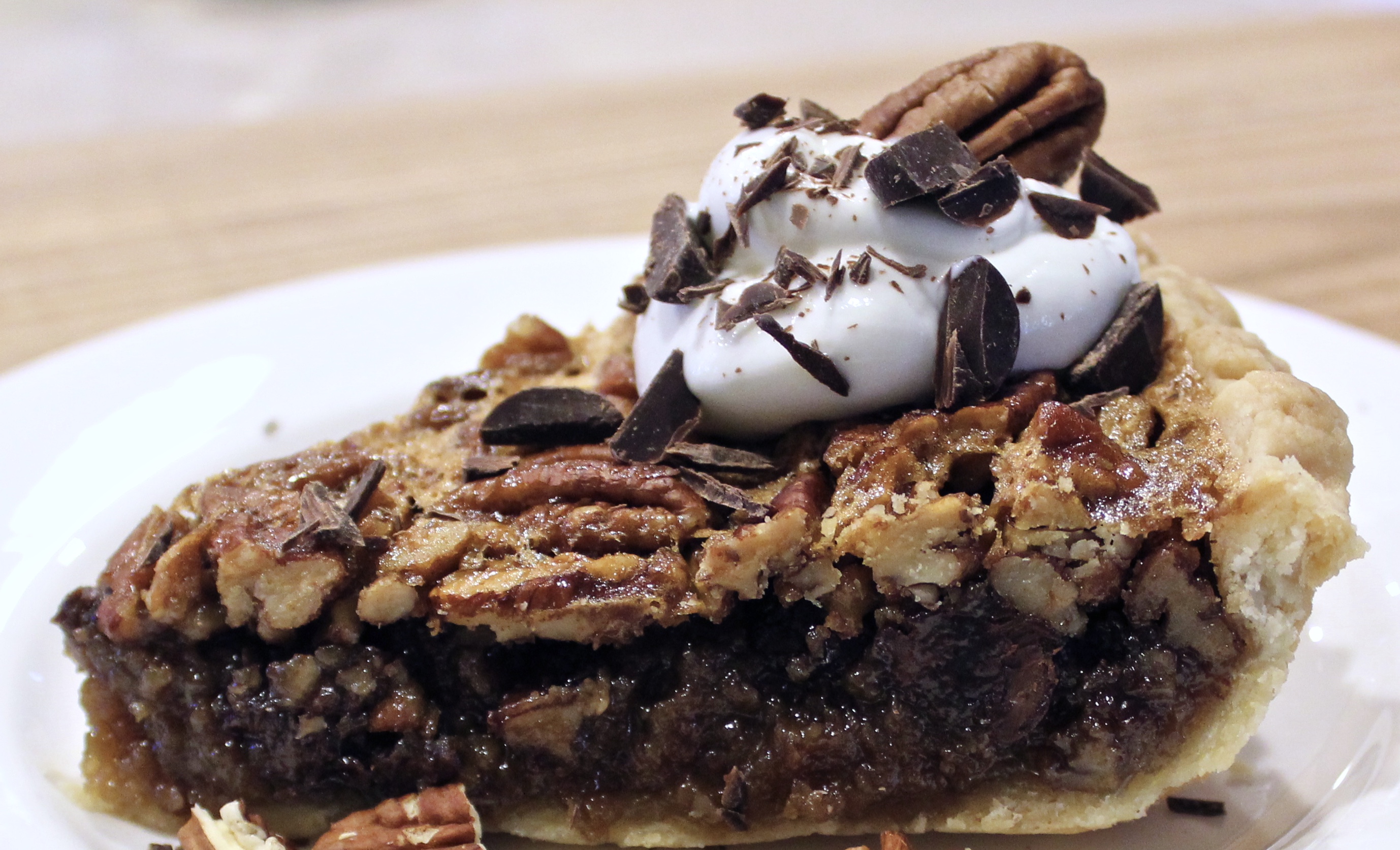
Pecan, and I love dark chocolate in it, because why not? With some nice whipped cream on top.



 Maximum Z