Heed the words of Mamet

A few more pages added to the first draft of the action-comedy spec. So far, so good.

With a little something new added to the mix.

Each scene has been an exercise in “write it, go back and tighten it up.” One scene that was originally 1 1/2 pages was trimmed down to around 3/4ths of a page without sacrificing anything.

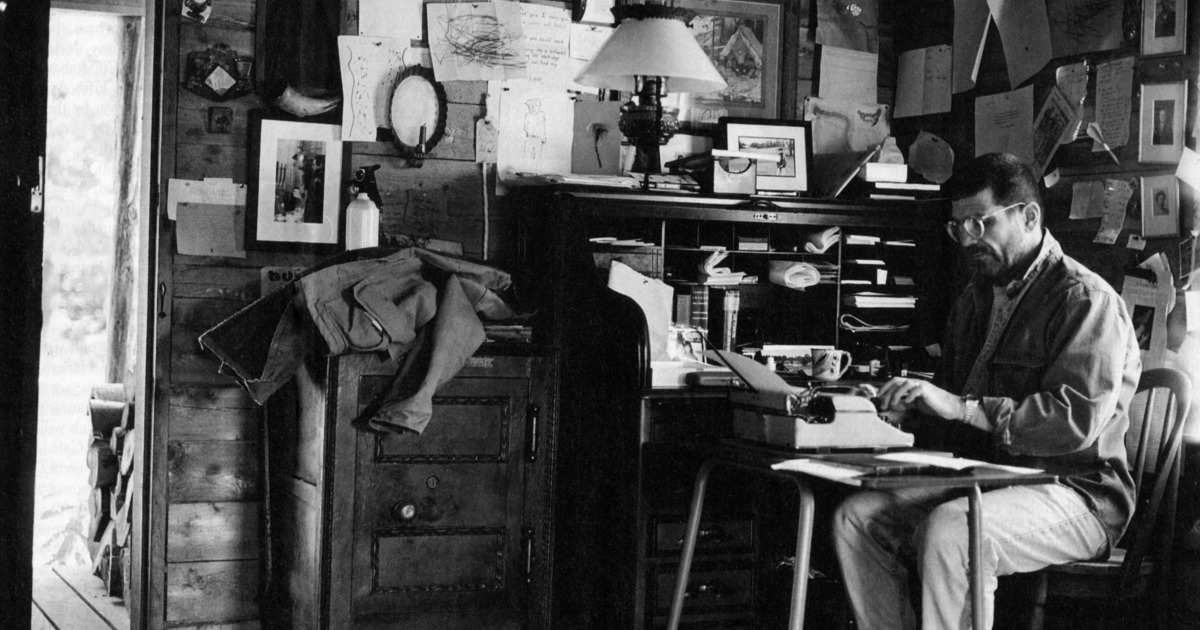
What really helped was really adhering to writer David Mamet’s guideline of “Get in late, get out early”.

I’ve written before about my tendency to overwrite, and the scene in question was no exception. I initially put it together how I thought it should be, but it didn’t start as late it should, and took too long to get out. So anything that didn’t absolutely need to be there got cut.

The result – a tighter, faster scene that makes the same point.

As an experiment, I attempted to write the next scene with that mindset from the get-go. Start late, get out asap. Even with a little editing and tweaking as it was being written, this one also turned out nicely.

I’m sure every scene after this won’t be written as smoothly, but it’ll definitely help, possibly even speed up the process. Possibly.

Another detail that’s been incredibly helpful is to just write what I have in the outline for each scene. Nothing extra. It’s getting easier to resist padding it for the sake of padding.

A variation on the Mamet quote could be “Get in late, get to the point, move on to the next scene”.

It’ll definitely take some time to adjust since this is the way I’ve written for so long, but I like the results so far. Will do my best to stick with it from here on out.

Heed the words of Mamet -OR- Don’t overstay your welcome

I’ve been on somewhat of a tear lately in regards to watching films – both at home and in theaters.

One of the things that’s really stood out is the tightness of the writing. In every film, the scenes don’t waste time. They present what’s needed at that particular moment while also advancing the story.

I’ve always had a tendency to overwrite – especially in my earlier scripts. There was just too much on the page, or some scenes just went on too long. This would result in necessary editing and trimming down in subsequent drafts.

But then I heard a piece of advice I’m fairly certain is attributed to playwright David Mamet:

GET IN LATE, GET OUT EARLY

I interpreted this as “Get to the point of the scene as soon as possible, then move on to the next one”.

You don’t want your reader/audience to be bored by slowing things down with anything unrelated to the story. They’ll become less interested in wanting to see what happens next. Once that happens, you’re pretty much screwed.

This is something I’ve seen in a lot of scripts – especially from newer writers, along with a handful of seasoned vets. Many is the time I’ve given a note along the lines of “this is good, but tightening it up would make a world of difference.” Sometimes it’s dialogue, or description, or action lines.

If something can be cut from a scene and the scene still accomplishes what it needs to, then whatever you cut didn’t need to be in there in the first place.

When I outline, I do so with a “what’s the point of this scene?” approach. What happens in this scene that advances the story? Even as the story continues to grow and develop, the focus on the main point of each scene continues. There may be a small amount of overwriting in the first few drafts, but those are quickly dealt with.

This approach has really helped contributed to establishing the flow and fast reads for my scripts, and I’m looking forward to applying it to the current spec.