Caught in the ripple effect

It starts a chain reaction you just can't stop
A chain reaction you just can’t stop

When I work on pages, I make a point of adhering to the story as it’s written in the outline. There may be some slight alterations here and there, but that’s not an uncommon thing.

At the moment I’m in the middle of a sequence, that, according to the outline, was all planned out. No problems.

Little did I realize that over the course of the pages before this, all of those slight alterations would drastically change the circumstances surrounding my protagonist’s situation in that sequence.

Without knowing it, I had made things much harder not only for him, which is how it should be, but also for myself, which isn’t exactly the greatest of news.  Most of the details now had to be thrown away.

And because I’m such a glutton for punishment, this sequence was slowly becoming way too similar to one from about 20 pages before it. How I didn’t see this while outlining I’ll never know.

So it’s not necessarily back to square one, but I’ve got some work to do. Looking at this from the silver lining perspective, this is actually some pretty good stuff:

-My protagonist now faces bigger challenges, which still advance the story, theme and character development.
-I’m forced to come up with better, more creative ways of depicting how things play out.
-Recognizing and handling the domino effect those earlier changes have made and will make on the rest of the story.

Fortunately, we writers are a hearty lot and not easily deterred.  Time, experience and constant rewrites provide us with the determination and intestinal fortitude to work our way through this sort of thing.
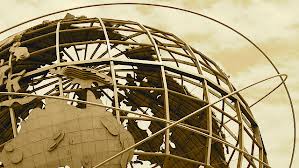
The fine art of world-building

Tell us what we need to know about this place
Now that you’ve created it, what do we need to know about it?

One of the primary functions of the first act is to establish the current situation of your protagonist. You, the writer, have to convey to us, the reader/audience, what’s going on around our hero and how they fit into this scenario.

Tell us what we need to know about them, but don’t overwhelm us. Give us the details relevant to the story; anything else is totally unnecessary.

Show us why this character is worth our time and attention. What is it about them we can relate to?  Make us care about them. Pique our interest and curiosity.

This is also your chance to establish the rules of this world you’ve created and how it works. If it’s something other than the world as we know it (i.e. science fiction or fantasy), then you definitely need to explain how things work here. Don’t expect us to know what you’re talking about; just because you know doesn’t mean we’re going to. Keep things simple.

Now that you’ve presented us with our protagonist and the world they live in, SOMETHING HAPPENS around page 10 that drastically changes their everyday routine and gets the story going. It also raises the central question of the story – “Will the protagonist achieve their goal?”

Some may say the protagonist should be the one that makes something happen, which is possible, but it seems more likely this disrupting-of-the-everyday-routine event happens to them, rather than because of them.

What’s great about this next stretch of pages is it offers you the opportunity to show a little more of this world, especially how your protagonist reacts to what’s happened to them as well as how their world responds to it. Explore the consequences and ramifications of how their life is changing as they leave their old situation behind and become more involved with the new one.

By the time we get to the end of the first act, the protagonist is totally immersed in this new world and has to figure their way out/through it. Everything we need to know has been taken care of, so now we can focus on following the story.